Taxi Digital Signage: Revolutionizing Urban Mobility Advertising and Passenger Experience
In today’s fast-paced urban environments, the integration of technology into traditional public and private transport is creating novel opportunities for communication, advertising, and enhanced passenger engagement. One such technological advancement is taxi digital signage — high-brightness, sunlight-readable LED displays installed on taxis, providing dynamic digital messaging and advertisements to urban commuters and pedestrians alike.
Introduction
Taxis have long served not only as a vital transportation link in cities worldwide but also as effective platforms for advertising due to their mobility and high street visibility. The advent of digital signage technology tailored specifically for taxis is now transforming this conventional advertising medium. Enhanced by advances in LED display engineering, these signage systems deliver vivid, eye-catching content even under direct sunlight, serving both commercial and informational purposes.
This article explores taxi digital signage from a professional LED display engineering perspective, encompassing technology insights, practical applications, benefits, challenges, and future trends. It provides a comprehensive resource for stakeholders including fleet operators, advertisers, urban planners, and technology integrators seeking to understand the potential and implementation strategies of taxi digital signage.
Understanding Taxi Digital Signage: Technology and Design Considerations
Taxi digital signage typically employs state-of-the-art LED display panels mounted externally, often on rooftops or side windows of taxis, designed to operate reliably in harsh outdoor environments and deliver clear visual performance under direct sunlight and varying weather conditions.
High-Brightness LED Display Specifications
The primary technical challenge in taxi digital signage is ensuring adequate brightness for sunlight readability. Modern sunlight-readable LED displays typically feature brightness levels ranging from 5,000 to over 10,000 nits. For taxi applications, a brightness level of around 6,000-8,000 nits offers a balance between visibility and power consumption as per standards outlined by the International Sign Association (ISA) and guidelines reflected in the Society of Motion Picture and Television Engineers (SMPTE).
Key LED panel characteristics for taxi signage include:
- Pixel pitch: Between 4 mm to 10 mm, balancing image clarity and panel size constraints on vehicle rooftops.
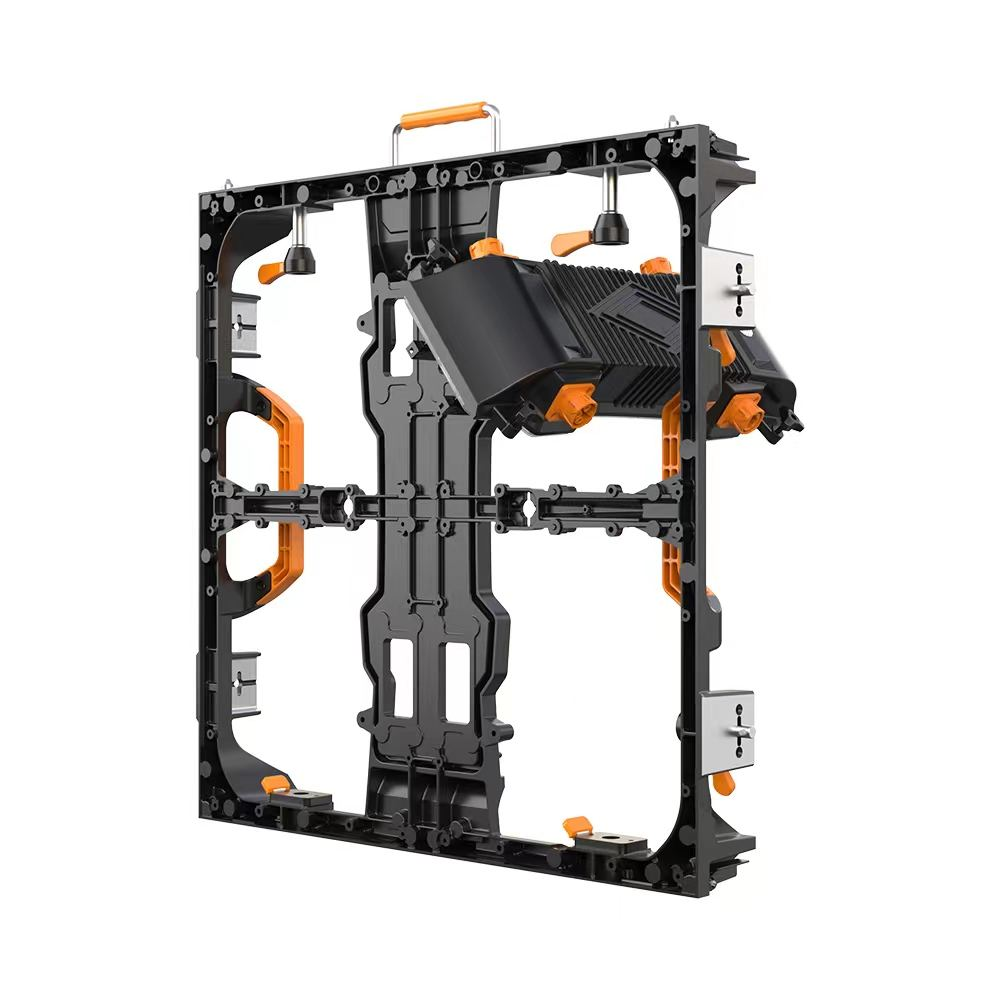
- Ingress protection (IP rating): Commonly IP65 or higher to guard against dust, rain, and roadside debris.
- Robust build: Panels and electronics designed to resist vibrations and shocks typical of urban driving conditions.
- Low weight: To minimize impact on vehicle fuel efficiency and handling.
- Power efficiency: Optimized LED drivers and energy management to reduce drain on the taxi battery.
Connectivity and Control Systems
Taxi digital signage systems commonly integrate wireless connectivity options such as 4G/5G cellular modules or Wi-Fi to enable remote content updates and management. Advanced platforms utilize cloud-based content management systems (CMS) to schedule and tailor advertisements based on location, time of day, or real-time traffic data. This dynamic flexibility enhances the value proposition for advertisers by delivering targeted, context-sensitive messaging.
Integration with Taxi Operations
Beyond advertising, digital signage units are increasingly integrated with taxi dispatch and passenger information systems. Such integrations allow real-time display of ride details, safety instructions, weather updates, or public service announcements, enhancing the passenger experience and driver communication. Achieving this requires seamless hardware-software interoperability and compliance with vehicle regulation standards.
Practical Applications of Taxi Digital Signage
Taxi digital signage is a versatile tool with a variety of practical applications that extend beyond traditional advertising.
1. Dynamic Advertising and Brand Promotion
The most widespread application is commercial advertising. Advertisers leverage the mobility and high exposure of taxis to reach wide and diverse urban audiences effectively. Digital signage allows for interactive, animated content that attracts more attention than static stickers or posters. Moreover, programmatic advertising based on geo-fencing can push relevant promotions to specific city neighborhoods or events, maximizing ad spend efficiency.
2. Passenger Information and Safety Messaging
Displaying useful information such as estimated arrival times, fare rates, route maps, and safety guidelines onboard the taxi improves passenger confidence and satisfaction. Additionally, digital signage can disseminate emergency alerts, health advisories (e.g., during pandemics), and regulatory messages mandated by city authorities.
3. Enhancing Urban Smart City Initiatives
Taxi fleets equipped with digital signage can be valuable assets in urban smart city ecosystems. They can provide real-time public transportation updates, event alerts, and environmental data, contributing to informed citizenry and improved traffic management.
4. Interactive and Personalized Experiences
Emerging technologies such as facial recognition and GPS integration enable personalized content delivery. For instance, digital displays might suggest nearby restaurants or promotions based on passengers’ previous preferences or current location—a future-oriented prospect as data privacy protocols evolve.
Advantages and Benefits of Taxi Digital Signage
Increased Advertising ROI
Dynamic content and geo-targeting capabilities enhance the return on investment for advertisers. According to industry reports by PBS Media and DOOH (Digital Out-of-Home) advertising studies, mobile digital signage can increase audience engagement by up to 30% compared to static media.
Real-Time Content Flexibility
Advertisers and fleet operators can update campaigns remotely and instantly, adapting to market trends, events, or emergencies without the delay and cost of physical replacement.
Improved Passenger Engagement and Safety
Information displays foster a transparent relationship between drivers and riders, reducing misunderstandings and fostering trust. Clear visibility also supports compliance with city safety regulations.
Eco-Friendly and Cost-Efficient
Advances in LED efficiency and robust design lower energy use and maintenance costs. Compared with traditional signage, digital solutions reduce waste from printed advertisements.
Common Challenges and Solutions
Sunlight Readability and Visibility
Maintaining screen visibility under direct sunlight is technically demanding. Manufacturers meet this by utilizing high-brightness LEDs, anti-reflective coatings, and optical enhancements like pixel arrangement and brightness uniformity control. For example, technology innovations highlighted in the Journal of Display Technology emphasize micro-lens arrays and advanced phosphor materials as breakthroughs in sunlight-readable displays.
Power and Heat Management
High-brightness LEDs consume significant power and generate heat, which can affect component longevity. Solutions include integrating efficient power supplies, heat sinks, and temperature sensors to optimize energy consumption and prolong lifespan. Some systems employ solar panels on taxi roofs to supplement power.
Durability and Maintenance
Vibrations, weather exposure, and urban pollution require ruggedized enclosures and regular maintenance schedules. Modular panel design allows for easy replacement of faulty components, minimizing downtime.
Regulatory Compliance and Safety
Local regulations may restrict digital signage locations, brightness levels, or content types for safety reasons. Ensuring compliance involves collaboration with city authorities and adherence to standards such as SAE J2290 for automotive electronic signage and local traffic laws.
Latest Trends and Innovations in Taxi Digital Signage
Integration with Artificial Intelligence and Data Analytics
AI-powered content optimization and audience analytics enable more effective ad targeting and content personalization. Companies like Vistar Media and Clear Channel Outdoor are investing in AI-driven platforms to analyze commuter patterns and adjust messaging dynamically.
5G-Enabled Real-Time Interactivity
High-speed 5G connectivity permits interactive experiences where pedestrians or passengers can engage with ads via QR codes, NFC, or augmented reality overlays, creating immersive advertising ecosystems.
Energy Harvesting and Sustainability Focus
Solar-powered taxi displays and LED modules with enhanced luminous efficacy contribute to environmental sustainability—an increasingly important consideration in corporate social responsibility agendas.
Integration with Multi-Modal Transport Networks
Taxi digital signage is evolving into part of integrated urban mobility solutions, providing multi-modal transit information that empowers commuters to seamlessly switch between taxis, buses, trains, and bike-sharing services.
Case Studies Highlighting Real-World Applications
New York City Taxi Digital Ad Program
The NYC Taxi and Limousine Commission partnered with digital advertising firms to deploy rooftop LED displays on hundreds of taxis, achieving over 3 million weekly impressions per vehicle. Advertisers experienced up to 25% higher engagement rates compared to traditional taxi ads, validating the effectiveness of high-brightness digital signage in a dense urban market.
London’s Smart Taxi Fleet Initiative
London experimented with taxi digital signage integrated with real-time public transit updates, enhancing passenger awareness and improving traffic flow perceptions. This initiative demonstrated the potential for taxi displays to contribute to city-wide information dissemination.
Conclusion
Taxi digital signage represents a convergence of advances in LED display engineering, wireless communication, and urban mobility innovation. By delivering high-brightness, durable, and network-connected digital displays on mobile platforms, the taxi industry provides advertisers and city officials with a compelling tool for dynamic communication.
Key considerations in deploying taxi digital signage include ensuring sunlight readability, optimizing power consumption, maintaining regulatory compliance, and leveraging connectivity for intelligent content management. The benefits — ranging from increased advertising ROI to enhanced passenger experience — underscore the immense potential of this evolving technology.
As smart cities and digital out-of-home (DOOH) advertising markets continue to grow, taxi digital signage will undoubtedly play a pivotal role in shaping the future of urban communication and mobility services worldwide, providing an innovative blend of advertising, information delivery, and enhanced commuter engagement.
References and Authoritative Sources
- International Sign Association (ISA) – Outdoor Digital Signage Standards
- Society of Motion Picture and Television Engineers (SMPTE) – Display Brightness Guidelines
- Journal of Display Technology – Advances in Sunlight-Readable Displays
- Society of Automotive Engineers (SAE) – J2290 Standard for Electronic Signage
- DOOH Media Research Reports – Vistar Media, Clear Channel Outdoor
- New York City Taxi & Limousine Commission – Digital Advertising Program Insights
- Wikipedia – Digital Signage, LED Display, Taxi
- Google Search Results – Latest Trends in Taxi Digital Signage