LCD Poster: An In-Depth Guide to Applications, Advantages, and Emerging Trends in Digital Display Technology
In the rapidly evolving landscape of digital signage, the LCD poster has emerged as a highly versatile and effective tool for communication, advertising, and information dissemination. Its blend of sharp image quality, energy efficiency, and sleek design makes it a preferred choice for businesses, public spaces, and institutions worldwide. As digital signage increasingly replaces traditional printed board displays, understanding the technical nuances, practical applications, advantages, and future trends of LCD posters is essential for stakeholders, manufacturers, and end users in search of cutting-edge visual communication solutions.
Introduction to LCD Posters
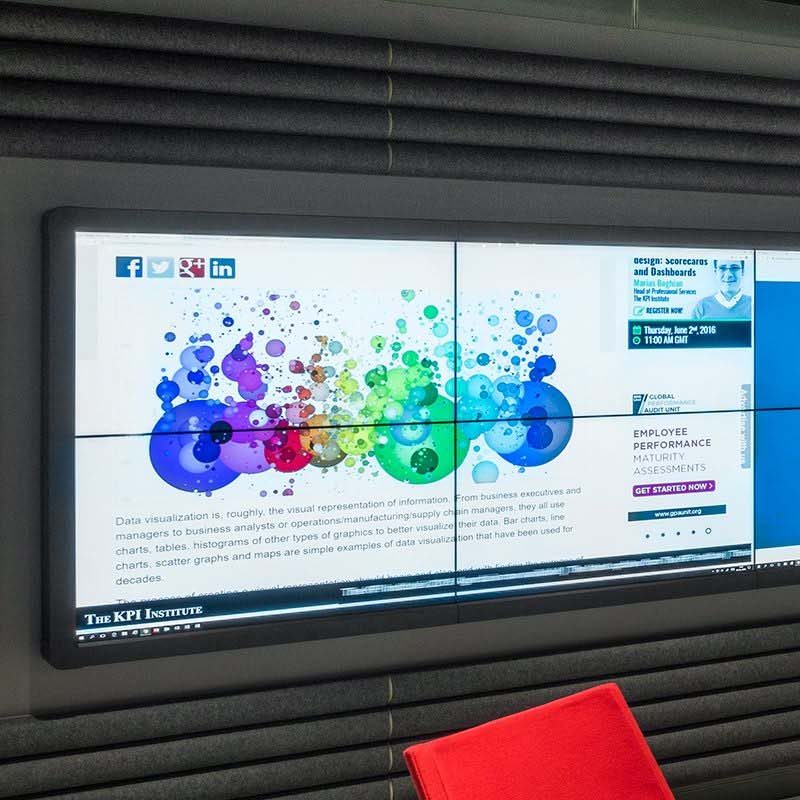
LCD posters, also known as digital posters or digital signage displays, typically refer to screens based on Liquid Crystal Display (LCD) technology designed to showcase dynamic content such as images, videos, and text in compact or freestanding formats. Unlike conventional printed posters, LCD posters enable real-time content updates, interactive features, and high-definition playback, making them particularly effective for branding, wayfinding, and promotional campaigns. Their application ranges from retail centers and airports to corporate offices and outdoor events.
Understanding the Technology Behind LCD Posters
Liquid Crystal Display (LCD) technology functions by manipulating light modulated through liquid crystal layers sandwiched between polarizing filters and glass panels. The most common form for LCD posters today involves TFT (Thin Film Transistor) technology which allows for precise pixel-level control, resulting in vibrant imagery and smooth motion rendering.
Modern LCD posters typically employ LED backlighting, which enhances brightness, uniformity, and energy efficiency compared to older Cold Cathode Fluorescent Lamps (CCFLs). The combination of TFT-LCD with LED backlighting achieves high contrast ratios and excellent color reproduction essential for visually impactful digital posters.
Practical Applications of LCD Posters
Retail and Advertising
Retail environments leverage LCD posters to augment customer engagement through promotional campaigns, product information, and dynamic branding opportunities. According to a study by the Digital Signage Federation (2022), stores utilizing digital posters experienced a 30% higher customer interaction rate compared to static signage. This increased engagement is attributed to the ability of LCD posters to display time-sensitive offers, interactive touch features, and multi-language content.
Corporate Communications and Wayfinding
In corporate settings, LCD posters serve as internal communication tools to display announcements, dashboards, and event information. Universities, hospitals, and transportation hubs use LCD posters as part of wayfinding systems, aiding visitors with real-time directions and updates.
Entertainment and Hospitality
Casinos, theaters, hotels, and sports venues use LCD posters to display schedules, advertisements, menu options, and interactive maps. Their compact footprint enables placement in lobbies, foyers, or even outdoors with weatherproof casing and sunlight-readable capabilities.
Advantages of LCD Posters Over Traditional Signage
Dynamic Content and Real-Time Updates
One of the most significant benefits of LCD posters is the capability to change content instantly across multiple locations through network connectivity. This flexibility eliminates printing costs and logistical delays associated with traditional posters.
High-Resolution Visuals
LCD posters offer high pixel densities, enabling crisp text, vivid colors, and fine detail which enhances message clarity and brand perception.
Energy Efficiency
Compared to older display technologies such as Plasma or CCFL-backlit LCDs, modern LED-backlit LCD posters consume significantly less power. According to the Illuminating Engineering Society, energy usage can reduce by up to 70%, aligning with sustainability goals for businesses.
Interactive Capability
Some advanced LCD posters incorporate touchscreens, enabling two-way communication and personalized user experiences, which increases engagement and dwell times.
Common Technical Challenges and Solutions
Sunlight Readability
One perennial challenge for LCD posters, especially those deployed outdoors or in brightly lit environments, is maintaining image visibility. Ambient light can significantly reduce contrast and legibility. To combat this, manufacturers integrate high brightness panels (>2,500 nits), anti-reflective coatings, and optical bonding techniques to reduce glare. Some displays also use local dimming and adaptive brightness sensors to optimize readability.
Screen Durability and Maintenance
LCD posters must be robust to withstand environmental stress, particularly in outdoor installations. Protective glass, waterproof and dustproof ratings (IP65 and above), and temperature-resistant components are standard measures. Regular software updates and remote monitoring tools improve uptime and ease maintenance.
Connectivity and Content Management
Ensuring reliable connectivity is essential for remote content updates. Industry solutions deploy centralized CMS (Content Management Systems) supporting multiple protocols (Wi-Fi, Ethernet, 4G/5G) with encryption standards like TLS to maintain security. Additionally, cloud-based CMS platforms simplify scheduling, analytics, and content optimization.
Emerging Trends in LCD Poster Technology
Ultra-High Definition and HDR Support
With consumer-grade 4K resolution becoming the norm, the adoption of Ultra HD LCD posters enhances visual impact for detailed imagery and video content. High Dynamic Range (HDR) further enriches color and contrast, improving realism and viewer engagement.
Integration with AI and IoT
Artificial Intelligence (AI) integration enables LCD posters to deliver context-aware and personalized content based on visitor demographics detected via cameras and sensors. The Internet of Things (IoT) facilitates interconnected digital signage ecosystems capable of data-driven optimizations and predictive maintenance.
Eco-Friendly and Sustainable Designs
Manufacturers increasingly focus on recyclable materials, lower-power components, and modular designs to minimize environmental impact and simplify repairs or upgrades, aligning with global sustainability initiatives.
Flexible and Transparent LCD Posters
Innovations in flexible LCD panels and transparent displays open new avenues for digital posters, allowing displays to conform to curved surfaces or integrate with glass facades for futuristic architectural applications.
Case Studies: Industry Success with LCD Posters
1. Retail Giant Walmart implemented integrated LCD posters across their stores globally to synchronize promotional campaigns and in-store messaging. According to Walmart’s 2023 report, these digital posters contributed to a 15% increase in sales for featured products, primarily due to timely and eye-catching content.
2. Heathrow Airport deployed high-brightness, weatherproof LCD posters for wayfinding and flight updates in outdoor passenger areas. Passenger satisfaction surveys highlighted improved navigation and reduced crowding at terminals.
3. Marriott Hotels installed interactive LCD posters in lobby areas to provide guests with customizable information about hotel amenities, local attractions, and event schedules, resulting in positive guest feedback and increased ancillary revenue.
Optimizing LCD Posters for SEO and Audience Engagement
From an SEO perspective, businesses implementing LCD posters should align their digital content with relevant keywords like “digital signage,” “digital posters,” “interactive LCD displays,” and “retail digital marketing tools.” Moreover, integrating QR codes on LCD posters can bridge physical and digital marketing, encouraging visitor interaction and tracking engagement metrics.
Ultimately, the LCD poster’s effectiveness hinges on content creativity, technical reliability, and adaptability to audience needs.
Conclusion
The LCD poster represents a powerful, flexible digital display solution that is transforming how businesses and institutions communicate visually. Its blend of technological sophistication, practical adaptability, and cost-efficiency make it an indispensable asset in the digital signage ecosystem. As the industry advances towards higher resolutions, AI integration, and sustainable manufacturing practices, LCD posters are poised to offer even greater value and immersive experiences.
For professionals evaluating display solutions or end users seeking impactful advertising mediums, understanding LCD poster technology and market trends ensures informed decisions that maximize return on investment and audience engagement.
References and Authoritative Sources
- Digital Signage Federation. (2022). “Digital Signage Industry Statistics and Trends.” DSF Annual Report.
- Illuminating Engineering Society. (2021). “Energy Efficiency in Digital Displays.” IES Lighting Handbook.
- Wikipedia contributors. (2024). “Liquid-crystal display.” Wikipedia, The Free Encyclopedia. https://en.wikipedia.org/wiki/Liquid-crystal_display
- SMT Research. (2023). “The Rise of AI in Digital Signage.” Technology and Innovation Journal.
- International Electrotechnical Commission (IEC) Standards related to Digital Signage and Safety.
As digital display technology continues to converge with innovations in AI, IoT, and sustainable design, the LCD poster remains a robust and future-proof solution for clear, engaging, and adaptable visual communication worldwide.