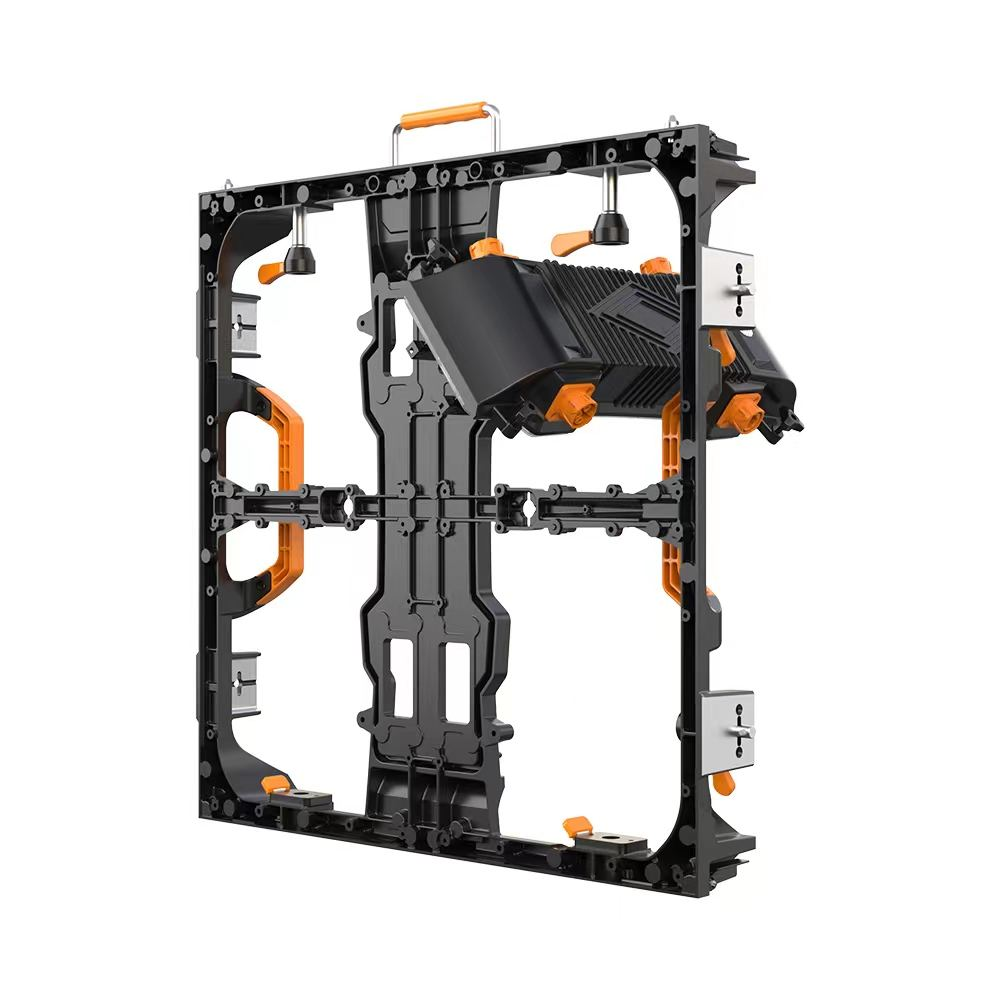
High Brightness TFT Displays: Technology, Applications, and Trends for Sunlight-Readable Solutions
Thin-Film Transistor (TFT) displays are ubiquitous in modern electronic devices, providing vibrant imagery with high resolution and dynamic performance. A subset of this technology, high brightness TFT displays, is engineered for environments with intense ambient light, such as outdoor and industrial settings, where conventional displays struggle to maintain legibility. These displays are pivotal in sectors ranging from transportation and digital signage to defense and medical equipment, ensuring reliable visibility even in direct sunlight.
Introduction
With the proliferation of outdoor digital devices, the demand for displays that maintain clarity and contrast under high ambient luminance has surged. Standard TFT LCDs typically operate at luminance levels insufficient to combat glare or prevent washout caused by sunlight. This gap has driven innovation in the development of high brightness TFT displays, characterized by luminance levels exceeding 1,000 nits (cd/m2), and in some cases reaching beyond 3,000 nits, to provide excellent readability in bright outdoor conditions.
This article elucidates the technological foundations, practical applications, challenges, and emerging trends in high brightness TFT displays. We delve into the mechanisms used to achieve enhanced brightness, the role of optical bonding and anti-reflective coatings, and compare them with alternative display technologies. Readers will gain an informed perspective supported by industry standards and real-world case studies, highlighting the critical role of these displays in today’s digital landscape.
Understanding High Brightness TFT Display Technology
What Defines High Brightness in TFT Displays?
TFT LCDs rely on a backlight light source shining through liquid crystal layers guided by a matrix of transistors. The brightness of a display is measured in nits or candelas per square meter (cd/m2). Typical consumer LCDs range from 200 to 500 nits, adequate for indoor use. High brightness TFT displays, designed for outdoor applications, exceed 1,000 nits to ensure legibility amidst strong ambient light.
The critical difference rests in the backlighting architecture and optical enhancements, allowing these displays to achieve luminance levels upwards of 1,000 nits, with premium models reaching 2,000 to 3,000 nits or more. For perspective, direct sunlight can range between approximately 10,000 to 120,000 lux (equivalent to roughly 1,000 to 12,000 nits), making it essential for displays to maximize brightness and minimize reflections.
Key Components and Technologies Driving High Brightness
- Backlight Systems: The backlight is the heart of brightness. High brightness TFTs incorporate LEDs with higher luminous efficacy, often utilizing powerful blue LEDs combined with advanced phosphor coatings to generate intense white light output. Some designs utilize dual or quad LED arrays to boost luminance without excessive power consumption.
- Enhanced Optical Films: Brightness enhancement films (BEFs) and diffusers channel backlight toward the viewer, increasing perceived brightness. Films like brightness enhancement film arrays and prism sheets optimize light collimation to improve forward luminance.
- Anti-Reflective (AR) and Anti-Glare (AG) Coatings: In outdoor or direct sunlight conditions, reflections impair visibility. High brightness TFT displays integrate AR layers to reduce surface reflectance from over 8% (typical glass) to less than 1%, significantly improving contrast and visibility.
- Optical Bonding: By filling the air gap between the LCD panel and cover glass with transparent adhesive (typically a high-quality optically clear resin), optical bonding diminishes internal reflections and increases mechanical durability. This technique enhances brightness and reduces susceptibility to fogging or condensation.
- Transflective LCD Panels: Some high brightness TFT displays employ transflective technology, incorporating semi-reflective layers to harness ambient light for improved illumination, particularly beneficial in sunlight.
- High Contrast Liquid Crystal Materials: Utilizing liquid crystal compounds with faster response times and higher contrast ratios can complement backlight improvements, preserving image fidelity at high brightness.
Industry Standards and Measurement Metrics
Brightness tests conform to standards such as ISO 9241-307, which outlines measurement conditions for display brightness and contrast under ambient lighting. International Electrotechnical Commission (IEC) also defines display contrast and brightness parameters critical for ergonomic readability.
Key parameters to evaluate high brightness TFT displays include:
- Luminance (cd/m2): The measurable brightness output of the display.
- Contrast Ratio: The luminance ratio between brightest whites and darkest blacks; critical in ambient light as it affects readability.
- Reflectance (%): The percentage of incident light reflected off the display surface, which impacts perceived contrast outdoor.
- Viewing Angle: The range of angles over which the display maintains acceptable brightness and color fidelity.
- Color Gamut and Accuracy: Despite high brightness, displays must maintain color richness, especially for professional applications.
Applications of High Brightness TFT Displays
Outdoor Digital Signage and Advertising
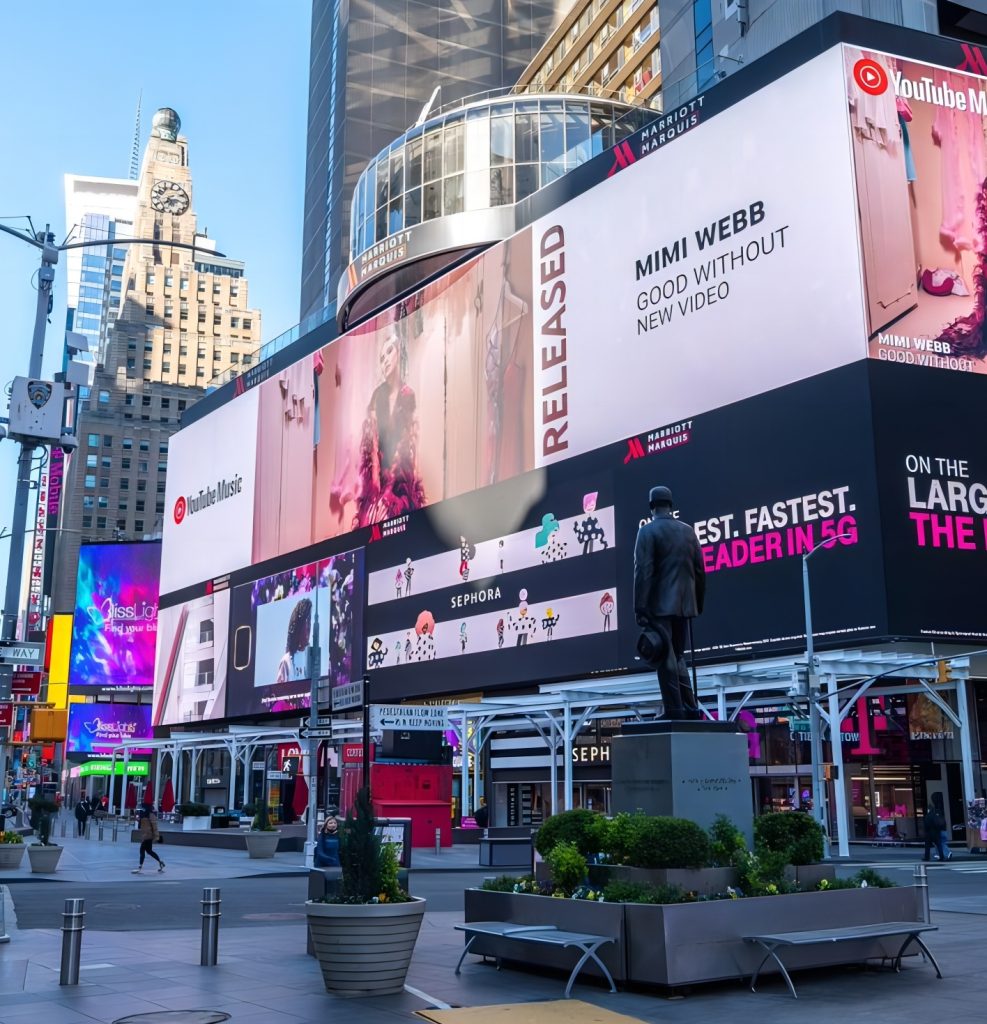
Out-of-home (OOH) advertising relies heavily on eye-catching displays capable of performing under variable weather and lighting. High brightness TFT displays ensure digital billboards, kiosks, and transit station panels maintain sharp image quality even in direct sunlight, maximizing visibility and return on investment.
Case Study: A European transit authority deployed 2,500 nits high brightness TFT panels in bus shelters and outdoor kiosks, resulting in increased commuter engagement and improved customer satisfaction metrics, as reported in an industry whitepaper by the Digital Place Based Advertising Association (DPAA).
Transportation and Automotive HMI
Vehicle dashboards, navigation systems, and infotainment units require displays that remain readable in bright daylight. High brightness TFT LCDs meet stringent automotive standards, including ISO 26262 for functional safety, and UL certifications, ensuring safety and reliability.
In aviation and marine applications, sunlight-readable TFT displays improve situational awareness and operational safety. Many cockpit and bridge control systems feature displays exceeding 1,200 nits to mitigate glare and reflection challenges.
Industrial, Military, and Medical Equipment
Harsh environments like construction sites, military field operations, or medical operating rooms demand robust, high brightness TFT displays with wide operating temperature ranges and shock resistance (MIL-STD-810 compliance). Their ability to provide clear data output and control feedback, even outdoor or under strong lighting, makes them indispensable.
For example, ruggedized tablets with 1,500+ nit TFT displays are standard for field engineers and military personnel, combining durability with exceptional outdoor readability.
Consumer Electronics and Mobile Devices
Smartphones and tablets progressively integrate high brightness TFT and OLED panels to enhance usability in sunlight. Devices like the latest flagship smartphones often feature display luminance peaks of 1,200 nits or more, leveraging adaptive brightness control to optimize power consumption.
Advantages of High Brightness TFT Displays
- Enhanced Outdoor Visibility: High luminance levels ensure crisp, clear images in direct sunlight, critical for safety and user engagement.
- Energy Efficiency: Modern LED backlighting technologies combined with optical enhancements reduce power consumption relative to brightness gain, vital for portable and battery-operated devices.
- Extended Application Range: From kiosks to ruggedized equipment, the ability to function seamlessly across indoor and outdoor environments reduces costs through device standardization.
- Improved User Experience: Reduced eye strain, faster readability, and consistent color perception translate into higher user satisfaction and operational efficiency.
- Durability and Reliability: Optical bonding and robust design increase mechanical resistance and lifespan.
Common Challenges and Solutions in High Brightness TFT Displays
Heat Dissipation
Higher brightness backlights generate more heat, which can degrade liquid crystal materials or damage components over time. Efficient thermal management, such as heat sinks, thermal conductive materials, and intelligent LED driving schemes, is essential to maintain longevity.
Power Consumption
Achieving high brightness typically increases power draw, impacting battery life in portable applications. Engineers often incorporate adaptive backlight control and local dimming to optimize power usage without sacrificing visibility.
Display Longevity and Brightness Degradation
Over prolonged use, backlight LEDs experience lumen depreciation, decreasing brightness and image quality. Quality LED sourcing and thermal control mitigate this effect, along with design allowances for brightness boost compensation.
Color Accuracy and Uniformity
Maintaining consistent color and brightness across a high luminance panel is challenging. Advanced calibration, uniform backlight arrays, and precise optical films improve uniformity and color fidelity, critical for professional and medical applications.
Reflection and Glare
High ambient light introduces reflections that counteract increased luminance. Integrating effective anti-reflective coatings and optical bonding is vital to minimize glare and screen reflections.
Latest Trends and Innovations
Mini-LED and Micro-LED Backlighting
Emerging mini-LED and micro-LED technologies offer higher brightness with improved local dimming capabilities, boosting contrast ratios while maintaining power efficiency. These advancements promise future high brightness TFT displays with superior performance.
Advanced Optical Films and Nanocoatings
The development of multilayer optical films, including nanostructured anti-reflective coatings, reduces reflective losses below 0.5% and enhances durability against environmental factors.
Integration of Touch and Durability Enhancements
Optically bonded touchscreens with high brightness TFT panels, using technologies like In-Cell and On-Cell touch sensors, create seamless, rugged displays with enhanced readability and interactivity for industrial and consumer markets.
Improved Viewing Angle Technologies
Incorporation of IPS (In-Plane Switching) and MVA (Multi-domain Vertical Alignment) panels improves wide-angle visibility without compromising brightness, crucial for public information displays.
Conclusion
High brightness TFT displays represent a critical advancement in display technology, extending the functionality of conventional liquid crystal displays into environments with challenging lighting conditions. By integrating advanced backlighting, optical enhancements, and robust materials, these displays deliver superior readability, color accuracy, and reliability in direct sunlight.
From outdoor digital signage and transportation systems to rugged industrial equipment and consumer electronics, the versatility and performance of high brightness TFT displays continue to enable innovative applications worldwide. Ongoing research into mini-LED backlighting, optical coatings, and integrated touch technology promises further improvements in efficiency, durability, and user experience.
Professionals selecting or designing high brightness TFT systems should consider application-specific requirements, including luminance, power constraints, environmental durability, and ergonomic standards to optimize display performance. Adhering to international standards and sourcing from reputable manufacturers helps ensure the deployment of trustworthy, long-lasting devices that meet the diverse needs of global markets.
References and Further Reading
- ISO 9241-307: Ergonomics of human-system interaction — Part 307: Electronic visual displays — Method for measuring and reporting the contrast of visual displays
- IEC 62677-1: Electronic visual displays – Part 1: Measurement of luminance and contrast ratio
- Digital Place Based Advertising Association (DPAA) — Outdoor Digital Signage Case Studies (dpaa.org)
- National Institute of Standards and Technology (NIST) — Display Performance Metrics and Calibration Guidelines
- Wikipedia contributors. “Thin-film-transistor liquid-crystal display.” Wikipedia, The Free Encyclopedia. https://en.wikipedia.org/wiki/Thin-film-transistor_liquid-crystal_display
- Hunt, R. W. G., & Pointer, M. R. (2011). Measuring Colour. Wiley-Blackwell.
- Samsung Display Technical White Paper: High Brightness and Outdoor Readable Displays (Samsung.com)
- Market reports from Yole Développement on micro-LED and mini-LED technology trends (yolegroup.com)