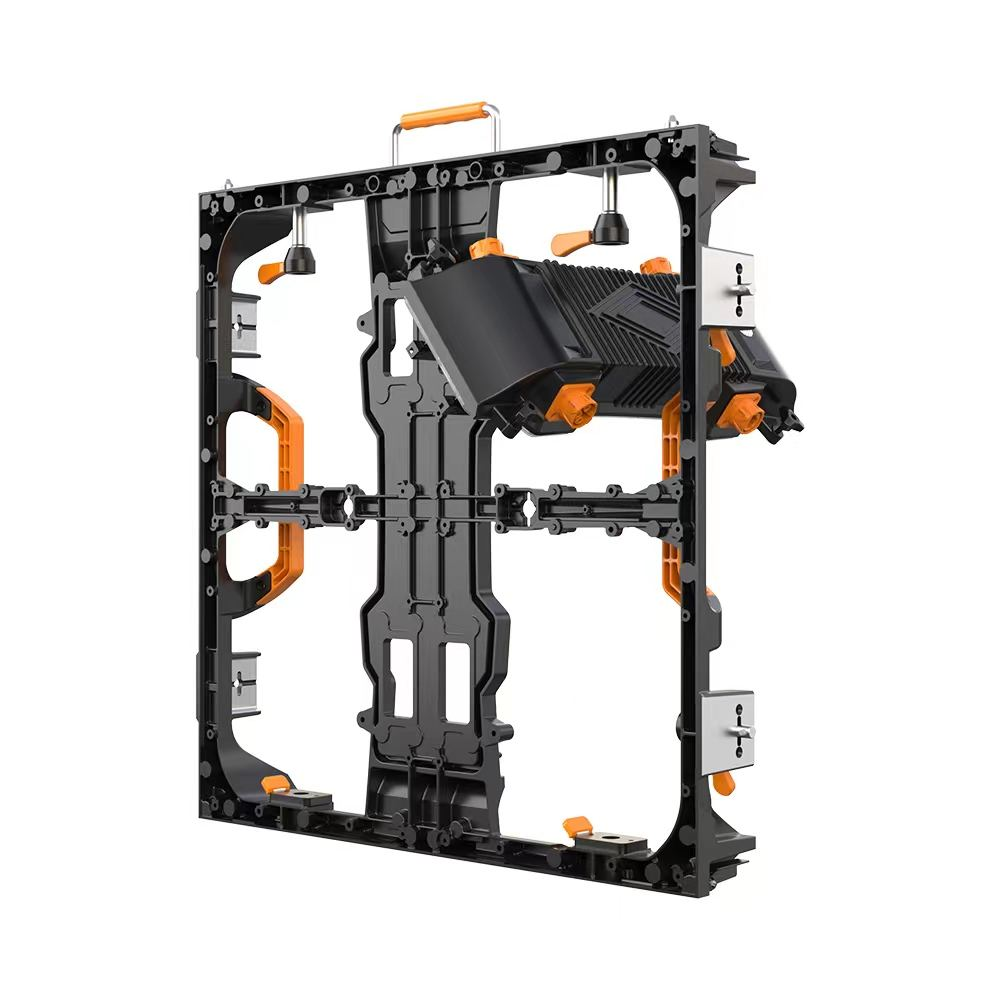
Fine Pitch LCD Wall: Revolutionizing High-Resolution Display Solutions for Modern Applications
Introduction
In an era dominated by digital transformation, display technologies have witnessed significant advancements driven by the need for higher resolution, sharper visuals, and seamless integration in diverse environments. Among these innovations, the fine pitch LCD wall has emerged as a breakthrough solution, offering unparalleled image clarity and flexibility. Characterized by minimal pixel pitch—commonly under 1.5mm—these walls enable ultra-high-definition video walls ideal for control rooms, broadcast studios, corporate environments, and large-scale public installations.
This comprehensive article delves into the technology behind fine pitch LCD walls, their practical applications, benefits, industry challenges, and developments shaping the future of display technology. Drawing from industry standards, case studies, and authoritative sources, the discussion will provide expert insight suited for engineers, integrators, end-users, and decision-makers.
Understanding Fine Pitch LCD Walls
Fine pitch LCD walls consist of multiple LCD (Liquid Crystal Display) modules tiled together seamlessly to create a single expansive display surface. The defining characteristic is the narrow pixel pitch—the physical distance between the centers of two adjacent pixels. Fine pitch typically refers to pixel pitches below 1.5mm, which significantly reduces the visible gap (bezel or pixel gap) between panels and provides a virtually continuous image.
- Pixel Pitch and Resolution: Smaller pixel pitch translates to higher pixel density. For example, a 0.9mm pitch LCD wall contains more pixels per square meter than a 2.5mm pitch LED or LCD alternative, thus delivering greater image sharpness, especially important for close-range viewing scenarios.
- Panel Size and Bezel Width: Manufacturers of fine pitch LCD modules focus heavily on minimizing bezel size, sometimes below 1mm, to avoid interruptions in the displayed image. Innovations such as micro-edge panel technology facilitate near-seamless stacking.
- Display Brightness and Contrast: High brightness (often ranging from 600 to 1000 nits) ensures visibility even in brightly lit environments, while high contrast ratios enable clear differentiation between dark and light image areas. This is essential for applications requiring detailed video and data visualization.
Technological Advances Enabling Fine Pitch LCD Walls
The production of fine pitch LCD walls leverages several key technological advances:
- Advanced LCD Fabrication: Improved silicon transistor backplanes and sophisticated color filters have enhanced pixel control, allowing more densely packed pixels with uniform color accuracy.
- Bezel-less or Narrow Bezel Designs: Reducing or eliminating the bezel has been a priority. Manufacturers use bonded glass and mechanical engineering to create almost invisible seams, boosting visual coherence.
- Integrated Calibration and Processing: Automatic color and brightness calibration tools ensure uniformity across all tiled panels, preventing noticeable differences that can distract viewers.
- Improved Thermal Management: Heat dissipation solutions prevent thermal degradation and ensure stable performance, critical given the high pixel density and continuous operation in commercial environments.
Comparison to Other Display Technologies
While fine pitch LCD walls boast excellent image fidelity, it is important to understand their position relative to other popular display solutions:
- LED Video Walls: Traditionally offering brightness levels up to 5,000 nits and beyond, LED walls excel in outdoor or high ambient light environments. However, LED displays exhibit visible pixel pitch limitations and may not offer the same level of pixel density achievable by fine pitch LCD walls, especially under 1mm pitch.
- Projection Systems: Though suitable for large venues, projection lacks the high contrast and brightness of modern LCD panels and generally demands controlled lighting.
- OLED Walls: OLED technology offers exceptional contrast and color but currently remains cost-prohibitive and less practical for very large-scale walls due to panel manufacturing constraints.
The unique advantage of fine pitch LCD walls lies in their ability to combine high resolution, color uniformity, and reasonably high brightness in a modular form suitable for indoor applications requiring close viewing distances.
Key Applications of Fine Pitch LCD Walls
Fine pitch LCD walls have found extensive application across sectors demanding superior image quality with large format displays:
Mission-Critical Control Rooms
In sectors like utilities, transportation, emergency response, and military, situational awareness depends heavily on clear, real-time video and data displays. Fine pitch LCD walls enable operators to view intricate information, such as video feeds and geospatial data, without image distortion, ensuring rapid decision-making.
Broadcast and Media Production
Television studios increasingly adopt fine pitch LCD walls as digital backdrops and content displays, benefiting from their pixel-level image sharpness and minimal bezels that lend to immersive visual effects.
Corporate and Boardroom Environments
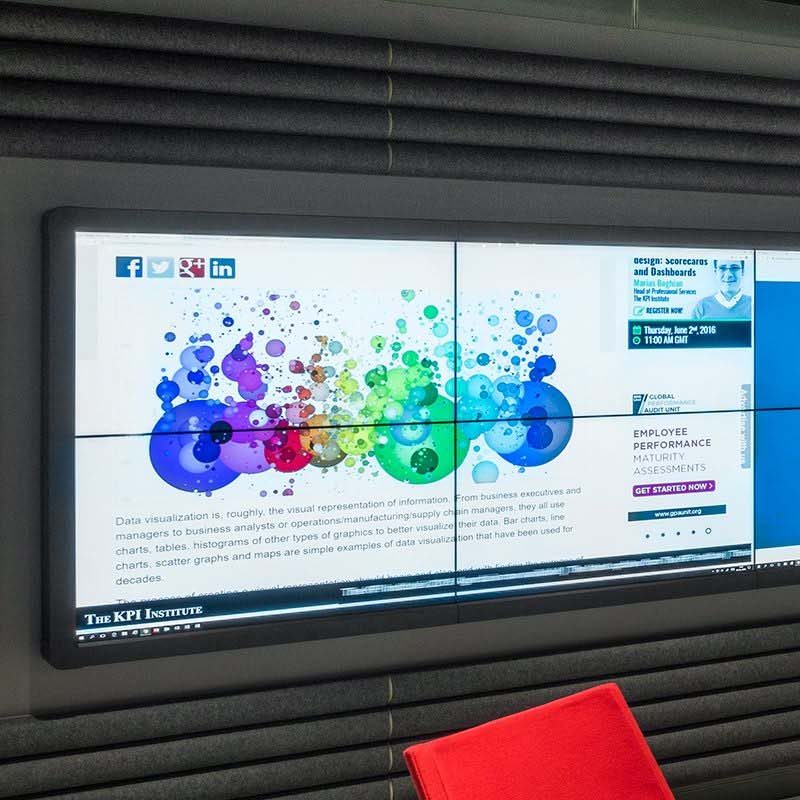
The corporate audience demands sleek, high-resolution visual presentations. Fine pitch LCD walls provide seamless video conferencing, data visualization, and branded content delivery, significantly enhancing communication and collaboration.
Retail and High-End Digital Signage
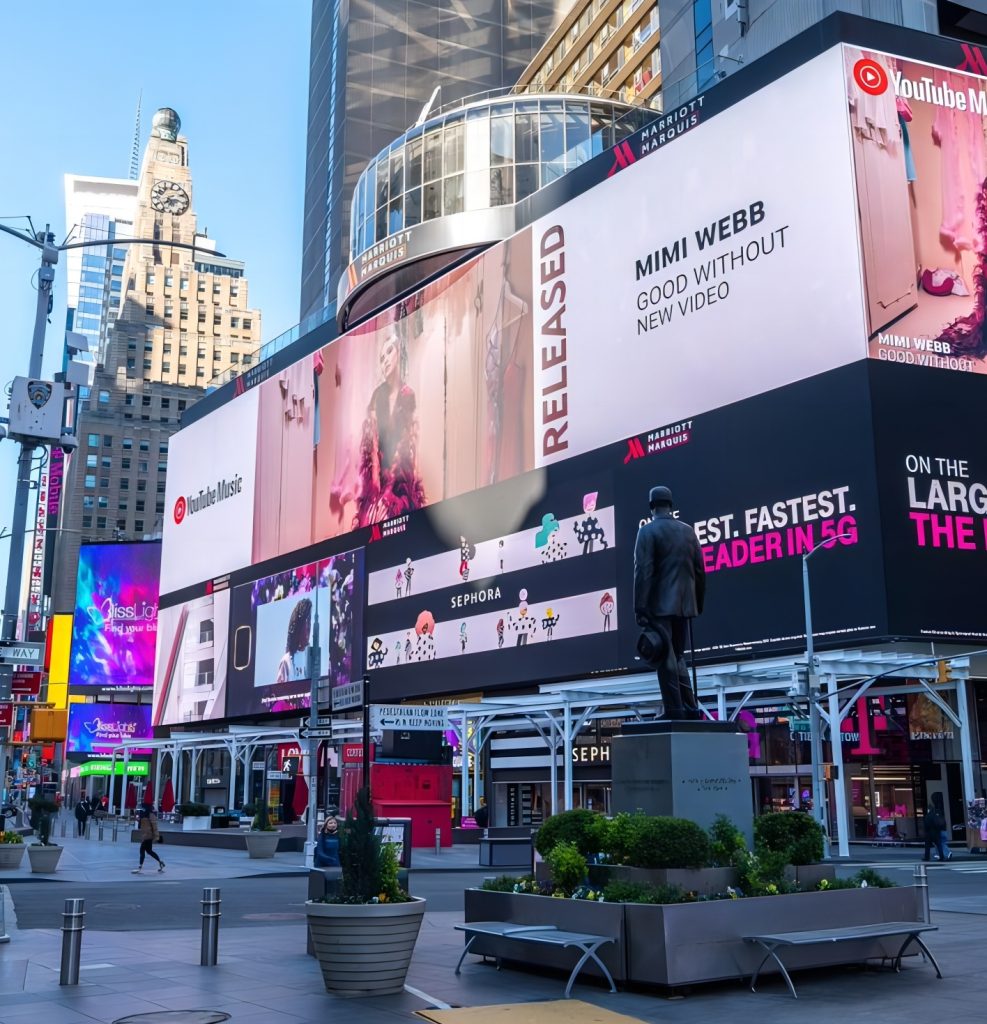
Retailers utilize fine pitch LCD walls for in-store advertising and experiential marketing, leveraging their ability to display vibrant, detailed content at close range without image degradation.
Entertainment and Museums
Interactive exhibits and immersive experiences benefit from the color accuracy and high pixel density provided by fine pitch LCD walls, particularly where viewers can approach the display closely.
Advantages of Fine Pitch LCD Walls
- Superior Image Resolution: Ultra-fine pixel pitch ensures crisp, detailed visuals, ideal for applications involving text, graphics, and high-definition video.
- Seamless Visual Experience: Minimal bezel size translates to an almost continuous image surface.
- Consistent Color and Brightness: Advanced calibration techniques maintain uniformity across the video wall, preventing noticeable panel-to-panel variations.
- Scalability and Flexibility: Modular design allows custom configurations to any size and aspect ratio, adapting to spatial constraints.
- Enhanced Reliability: Commercial-grade LCD technology and rigorous quality control ensure longevity and reduce maintenance requirements.
- Energy Efficiency: Compared to some LED solutions, fine pitch LCD walls tend to consume less power, contributing to lower operating costs.
Challenges and Common Issues
Despite their advantages, fine pitch LCD walls present certain challenges:
- High Initial Cost: Manufacturing tiny pixel pitches demands advanced technology, resulting in higher upfront investment compared to traditional LED video walls.
- Brightness Limitations: LCD panels, even with LED backlighting, typically max out at 1000 nits, which might fall short in extremely bright or outdoor environments without additional shading or protective measures.
- Complex Installation and Calibration: Precision alignment and color calibration require specialized expertise and time-consuming commissioning processes.
- Heat Management: Tight pixel density generates localized heat; inadequate cooling can lead to image degradation or hardware failure.
- Viewing Angle Constraints: Although IPS (In-Plane Switching) technology helps, some LCD panels may exhibit reduced contrast or color shifts at oblique angles relative to LED alternatives.
Addressing these issues requires partnering with reputable manufacturers, employing skilled integrators, and adhering to industry best practices such as the International Electrotechnical Commission (IEC) standards pertinent to display device safety and performance.
Latest Trends and Innovations
The industry continues to evolve with ongoing R&D focused on enhancing fine pitch LCD walls:
MicroLED Hybrid Displays
Emerging microLED technology promises to complement or even replace fine pitch LCD walls by delivering self-emissive pixels with higher brightness, contrast, and energy efficiency. However, cost and manufacturing scale delays mean fine pitch LCD remains the dominant indoor solution for now.
Artificial Intelligence-Driven Calibration
AI-powered algorithms enable real-time dynamic calibration correcting color shifting due to ambient conditions or aging panels, significantly enhancing visual uniformity over time.
Improved Backlight Technologies
Enhanced LED backlighting, including mini and chip-on-board LEDs, achieves higher brightness, better color gamut, and extended lifespan, addressing previous LCD drawbacks.
Flexible and Curved Fine Pitch LCD Walls
Innovations in panel manufacturing now allow for curved or slightly flexible video walls, opening creative possibilities in architectural integration and user engagement.
Best Practices for Deployment and Maintenance
To maximize the performance and longevity of fine pitch LCD walls, the following practices are recommended:
- Site Survey and Environmental Assessment: Evaluate ambient lighting, viewing distance, and space constraints to select appropriate pixel pitch and panel configuration.
- Professional Installation: Employ experienced teams to ensure precise panel alignment, secure mounting, and seamless connectivity.
- Comprehensive Calibration: Utilize gamma correction, brightness uniformity tests, and color profiling software regularly to maintain image quality.
- Preventative Maintenance: Regular cleaning, thermal management checks, and software updates prevent downtime and extend hardware lifespan.
- Integration with Control Systems: Compatibility with video processors and content management systems enhances operational flexibility and content delivery.
Conclusion
Fine pitch LCD walls represent a pinnacle in display technology for indoor high-resolution video walls, combining exceptional image fidelity, modular scalability, and professional-grade reliability. Their ability to deliver sharp visuals at close viewing distances renders them indispensable across mission-critical, commercial, entertainment, and public sectors. While challenges such as cost and brightness limitations exist, continuous technological innovation coupled with best practices in deployment are driving broader adoption globally.
Industry standards, such as those from the IEC and guidelines from organizations like the International Display Manufacturing Association (IDMA), provide frameworks ensuring quality and safety compliance. Paired with evolving innovations in backlighting, calibration technologies, and hybrid display forms, the fine pitch LCD wall remains a cornerstone technology for today’s visually demanding environments.
For businesses and institutions seeking superior image quality and seamless digital experiences, fine pitch LCD walls provide a future-proof investment aligned with modern digital transformation trends and user expectations.
References and Further Reading
- IEC 62368-1: Audio/video, information and communication technology equipment – Safety requirements
- International Display Manufacturing Association (IDMA) Technical Reports
- Barco, Christie Digital Systems, and Samsung Display Whitepapers on Fine Pitch LCD Technology
- Wikipedia contributors, “Video wall,” Wikipedia, The Free Encyclopedia, https://en.wikipedia.org/wiki/Video_wall
- Industry case studies on control room video wall deployment – Honeywell, Schneider Electric
- Industry market analyses from DisplaySearch and IHS Markit on display technology trends
— End of Article —