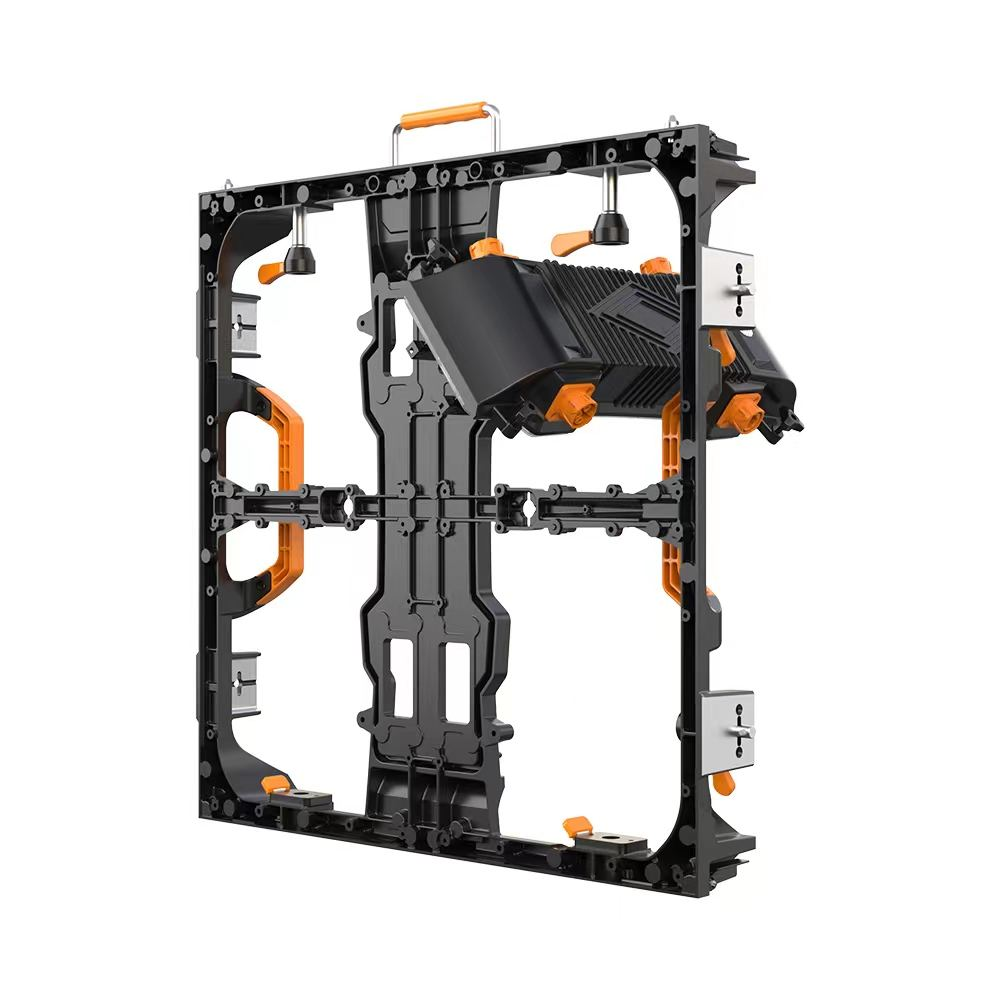
Interactive LED Displays: Transforming Visual Communication with High-Brightness, Responsive Technology
In an era where visual engagement is paramount, interactive LED displays have emerged as a pivotal technology, revolutionizing the way brands, educators, and enterprises communicate with their audiences. These cutting-edge displays combine the vibrancy and brightness of LED technology with interactive capabilities, enabling dynamic, immersive experiences across diverse sectors. This comprehensive guide explores the core principles, technological advancements, practical applications, benefits, common challenges, and the future trajectory of interactive LED displays with a focus on high-brightness, sunlight-readable solutions.
Introduction to Interactive LED Displays
Interactive LED displays are digital screens composed of light-emitting diodes (LEDs) that not only exhibit vibrant, high-resolution visuals but also support real-time user interaction through touch, gesture, or motion controls. Their design integrates hardware such as capacitive or infrared touch layers and sophisticated software platforms to enable content manipulation and responsive feedback. The global demand for these displays is fueled by their effectiveness in marketing, education, control centers, and public information dissemination.
According to industry reports, the global market for interactive LED displays is experiencing a compound annual growth rate (CAGR) exceeding 15%, driven by rapid technological advancements and increased adoption in commercial and public domains (Source: MarketsandMarkets, 2024).
Technical Fundamentals of Interactive LED Displays
1. High-Brightness LED Technology
Central to the appeal of interactive LED displays is their remarkable brightness, which enables clear visibility even under direct sunlight. Standard indoor LEDs typically operate at luminosities ranging between 800 to 1,200 nits, while high-brightness outdoor displays reach from 5,000 to over 10,000 nits. Achieving such luminance requires optimized LED chip selection, efficient thermal management, and advanced driver ICs for power modulation.
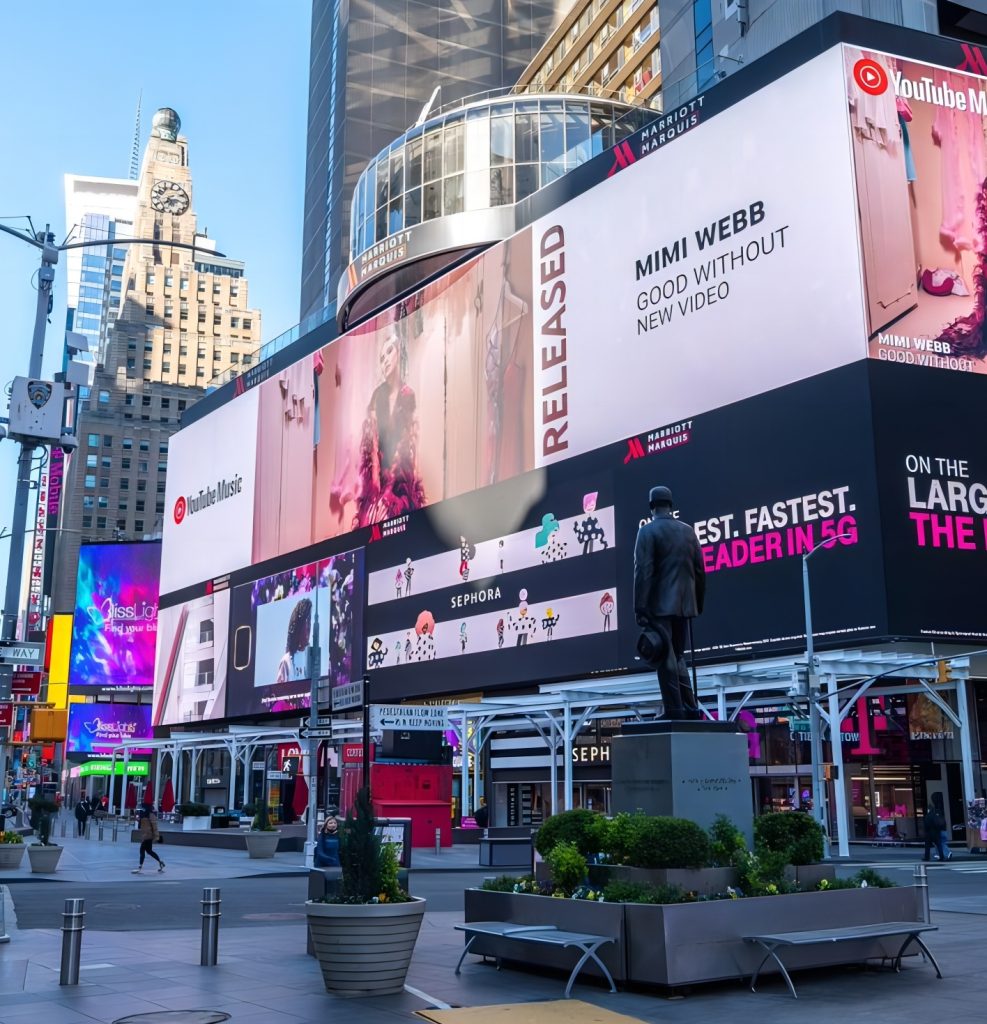
High brightness is critical for displays installed in outdoor environments such as stadiums, transportation hubs, and retail facades where readability must be maintained despite ambient light interference. The use of COB (Chip-on-Board) packaging and fine-pitch modules provides improved light uniformity and color consistency crucial for interactive applications.
2. Sunlight Readability and Anti-Glare Solutions
Sunlight-readable interactive LED displays employ several strategies for optimal performance under direct sunlight, including:
- Use of anti-reflective coatings: Surface treatments like matte finishes minimize specular reflection, reducing glare.
- High contrast ratios: Enhanced by blackout technologies in pixel design to improve color vividness.
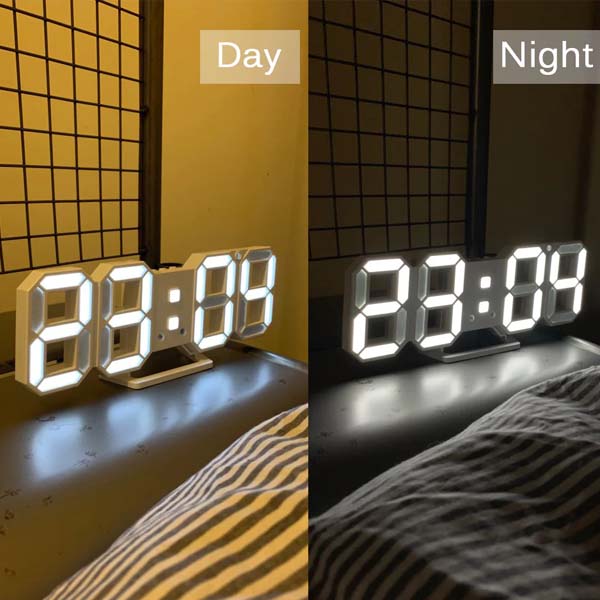
- Ambient light sensors: Automated brightness adjustments ensure consistent legibility.
- Optical bonding: Laminating protective glass directly to the LED panel reduces internal reflection.
3. Interactive Technology Integration
The interactivity of LED displays is enabled through multiple technologies:
- Capacitive Touch: Similar to smartphones, these systems detect touch through electrical property changes, offering high accuracy and multi-touch support.
- Infrared (IR) Touch: Composed of sensor arrays creating an invisible grid, IR touch systems are robust and suitable for larger displays.
- Gesture Recognition: Camera-based systems enable non-contact interaction, facilitating innovative user experiences.
- Proximity Sensors and Motion Tracking: These enhance user engagement by detecting nearby presence and movement.
Each technology selection depends on factors such as application context, environmental conditions, and desired user experience.
Practical Applications of Interactive LED Displays
Interactive LED displays have found widespread adoption across sectors due to their versatility, scalability, and user engagement capabilities.
1. Retail and Advertising
Retailers leverage interactive LED displays to create immersive brand experiences. High-brightness screens installed on storefronts attract passersby, while in-store interactive walls allow customers to explore products, access promotions, and customize purchases. Case studies, such as Nike’s flagship stores, highlight the use of interactive LED walls enabling dynamic outfit selection and instant feedback.
2. Transportation and Public Information
Interactive LED displays deployed at airports, train stations, and bus terminals provide travelers with real-time information, wayfinding, and emergency alerts. The high brightness ensures visibility regardless of weather conditions. For example, Hong Kong International Airport uses interactive LED signage throughout its terminal to enhance passenger experience.
3. Education and Corporate Environments
Educational institutions integrate interactive LED boards in classrooms and auditoriums to facilitate interactive lessons and collaborative learning. Similarly, corporations deploy these displays in conference rooms and lobbies to enable interactive presentations, video conferencing, and digital signage, improving communication and engagement.
4. Control Rooms and Command Centers
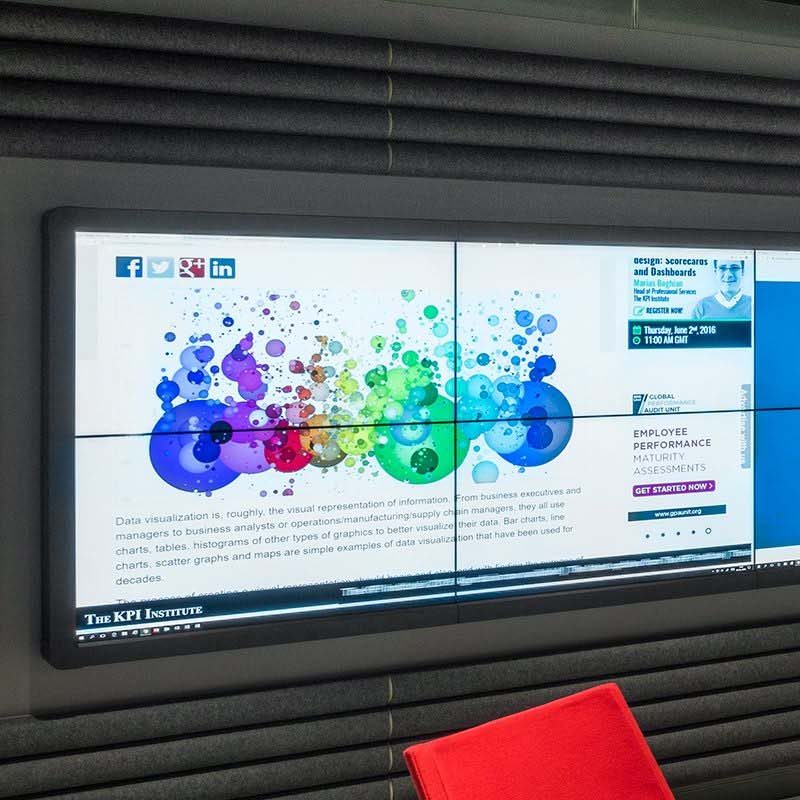
High-brightness interactive LED video walls are vital in mission-critical environments like traffic management centers, utilities control rooms, and emergency operation centers. Their large-format, real-time data visualization capabilities allow operators to interact directly with complex datasets, improving decision-making processes.
Advantages of Interactive LED Displays
- Enhanced User Engagement: Interactivity combined with vivid visuals captivates audiences and encourages participation.
- Superior Visibility: High brightness and sunlight readability guarantee content clarity in all lighting conditions.
- Energy Efficiency: Advanced LEDs consume less power compared to traditional lighting and display technologies.
- Durability and Longevity: Industrial-grade LEDs withstand environmental stresses, providing long operational life (often exceeding 100,000 hours).
- Flexibility and Scalability: Modular architecture allows customized sizes and resolutions tailored to application needs.
- Multi-Touch Capability: Facilitate multiple simultaneous inputs for collaborative environments.
Common Challenges and Solutions
1. Heat Dissipation
High brightness LEDs generate heat, which can affect performance and longevity. Effective thermal management through heat sinks, forced ventilation, or liquid cooling systems is essential. Industry standards such as IEC 62471 guide safe LED operation by specifying photobiological safety limits.
2. Calibration and Color Uniformity
Maintaining uniform brightness and color consistency across large interactive panels is complex. Automated calibration systems using sensors and AI algorithms periodically adjust parameters to ensure seamless visuals.
3. Environmental Resistance
Outdoor interactive LED displays face rain, dust, and UV exposure. IP65 or higher-rated enclosures provide ingress protection, while UV-stabilized materials prevent degradation.
4. Touch Responsiveness Under Harsh Conditions
Environmental factors like rain or dirt can interfere with touch accuracy. Capacitive touch screens with software filters and IR touch systems designed to differentiate noise help maintain interaction precision.
Latest Trends in Interactive LED Display Technology
1. AI-Driven Content and Interaction
Artificial intelligence is being integrated to analyze user behavior and adapt content dynamically, creating personalized and context-aware interactions. AI algorithms optimize brightness and color based on ambient light predictions, improving energy savings.
2. Flexible and Transparent LED Displays
Recent advancements have ushered in flexible, transparent LED displays that open doors for architectural applications, such as museum exhibits and retail windows, combining interactivity with aesthetic integration.
3. 8K and High-Resolution Displays
Increased pixel density in LED displays enables ultra-high-definition visuals essential for detailed interactive content, especially in control rooms and showrooms.
4. Integration with IoT and 5G
Connected interactive LED displays enabled by IoT and 5G technologies enhance real-time data exchange, remote content management, and interactive experiences fueled by real-world data streams.
Conclusion
Interactive LED displays embody the confluence of advanced LED lighting technology and responsive user interaction, presenting a potent medium for effective communication across industries. Their unparalleled brightness, adaptability to sunlight conditions, and interactive features collectively push the boundaries of traditional display systems. As technologies continue to evolve, particularly with AI integration, flexible form factors, and enhanced connectivity, interactive LED displays are poised to become even more pervasive and impactful.
When deploying interactive LED displays, careful consideration of application-specific requirements, environmental challenges, and technical specifications ensures optimal outcomes in performance and user satisfaction. Industry standards and best practices play an essential role in guiding manufacturers and integrators toward reliable, safe, and innovative solutions that meet the demands of today’s global audience.
References and Further Reading
- MarketsandMarkets. (2024). “Interactive Display Market Forecast and Analysis.” Retrieved from https://www.marketsandmarkets.com
- International Electrotechnical Commission. IEC 62471: Photobiological safety of lamps and lamp systems.
- Wikipedia contributors. “Light-emitting diode display.” Wikipedia, The Free Encyclopedia. https://en.wikipedia.org/wiki/Light-emitting_diode_display
- Höller, J., & Steiner, H. (2019). “Design and Applications of Outdoor LED Displays.” Journal of Display Technology.
- Samsung Newsroom. (2023). “The Future of Interactive LED Displays: Flexible and Transparent Screens.” https://news.samsung.com
- AVIXA (2024). “LED Displays: Best Practices and Industry Standards.” https://www.avixa.org
By leveraging the transformative capabilities of interactive LED displays, enterprises worldwide can foster greater engagement, deliver compelling content, and redefine the digital experience in an increasingly connected world.