All-In-One LED Displays: Innovations, Applications, and Technical Insights for High-Performance Visual Solutions
In recent years, the LED display industry has witnessed remarkable advancements shaped by evolving technologies, market demand, and user experience requirements. Among these developments, the all-in-one LED display concept has risen to prominence as a versatile and efficient solution catering to diverse applications—ranging from outdoor advertising and stadiums to control rooms and retail environments. This article delves deep into the technical specifications, design advantages, practical uses, common challenges, and emerging trends associated with all-in-one LED displays. Drawing upon industry standards, case studies, and expert insights, it aims to offer a comprehensive understanding for professionals, integrators, and decision-makers interested in adopting advanced LED screen technologies.
Introduction to All-In-One LED Displays
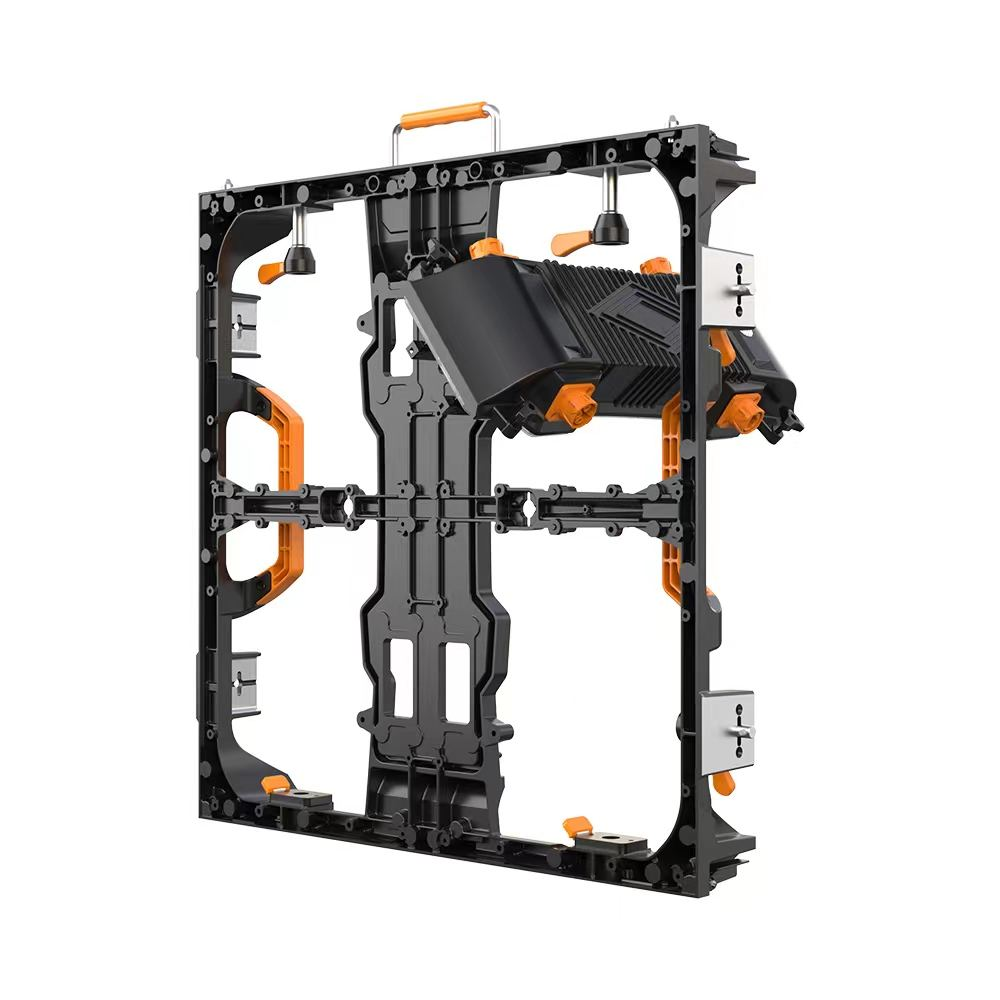
Traditional LED display systems often require multiple external components for operation, including controllers, power supplies, receiving cards, and extensive cabling. This complexity can lead to installation challenges, higher costs, and maintenance difficulties. In contrast, an all-in-one LED display integrates most of these components into a single housing unit along with the LED panel. This integration streamlines deployment, reduces potential points of failure, and enhances aesthetic appeal.
Typically, all-in-one LED displays include embedded control processing units, power management modules, cooling solutions, and sometimes even integrated content management systems (CMS). The design philosophy focuses on modularity, user-friendliness, and adaptability, making these displays ideal for environments where space, installation time, and ease of maintenance are critical.
Technical Overview and Key Components
1. Integrated Control Systems
The core feature of the all-in-one LED display is its embedded controller, which handles signal processing, image rendering, and communication. These controllers often use FPGA (Field Programmable Gate Array) or dedicated ASIC (Application-Specific Integrated Circuit) chips optimized for high-speed data handling and low latency. Unlike standalone LED screens relying on separate receiving cards and control boxes, all-in-one units transmit video input directly to the panel, minimizing cable clutter and potential signal degradation.
2. Power Supply Integration
Power supplies in all-in-one displays are built into the chassis, custom-designed to match the specific module’s voltage and current requirements. High-quality switching power supplies ensure stable, efficient energy delivery, often compliant with international safety and electromagnetic compatibility (EMC) standards such as UL (Underwriters Laboratories) and CE (Conformité Européenne).
3. Thermal Management Solutions
Effective heat dissipation is imperative for maintaining optimal LED display performance and longevity. All-in-one designs often employ passive cooling via aluminum heat sinks or active cooling with built-in fans. Advancements in thermal interface materials and modular heat pipe technologies allow these displays to operate reliably even in high ambient temperature environments, preventing overheating-related pixel failures and brightness degradation.
4. High-Brightness LED Modules
Sunlight-readable all-in-one LED displays commonly feature SMD (Surface Mount Device) LEDs with peak brightness levels exceeding 5,000 nits, enabling clear visibility in direct sunlight. Pixel pitch options vary from 1.2mm for indoor fine-pitch applications to larger pitches such as 6mm or 10mm suited for outdoor advertising. High refresh rates (≥ 3,840 Hz) and wide color gamut reproduction contribute to superior image quality and smooth video playback.
Advantages of All-In-One LED Displays
1. Simplified Installation and Reduced Footprint
The single-unit design significantly minimizes the need for external wiring and assembly labor. Installers benefit from decreased installation time and complexity, important for large-scale projects or temporary setups such as exhibitions. The compact form factor allows deployment in confined spaces without compromising performance.
2. Enhanced Reliability and Maintenance Efficiency
By consolidating components, the potential failure points reduce. Troubleshooting becomes straightforward since the integrated design allows for quick access to all relevant parts. Furthermore, modular replacement units within the all-in-one system enable rapid repairs, minimizing downtime—a crucial factor for mission-critical applications like transportation hubs or control centers.
3. Improved Aesthetic and Design Flexibility
All-in-one LED displays frequently offer sleek, uniform enclosures that blend well with architectural environments. The absence of bulky external boxes ensures a cleaner look, which is especially valued in corporate lobbies, luxury retail environments, or public spaces where visual appeal complements functional objectives.
4. Cost-Effectiveness Over Lifecycle
Though initially costing more per display unit compared to traditional setups, the all-in-one solution often lowers the total cost of ownership by reducing installation labor, cabling, control equipment, and maintenance expenses. Reduced power consumption through optimized power supplies also contributes to operational savings.
Practical Applications of All-In-One LED Displays
1. Outdoor and Indoor Advertising
Billboards, retail signage, and transit station displays benefit from easily deployable all-in-one LED technology that withstands weather extremes and delivers high visibility. For example, several case studies from companies like Daktronics and Leyard showcase installations where such displays maintain consistent brightness and color fidelity even in harsh sunlight.
2. Control Rooms and Command Centers
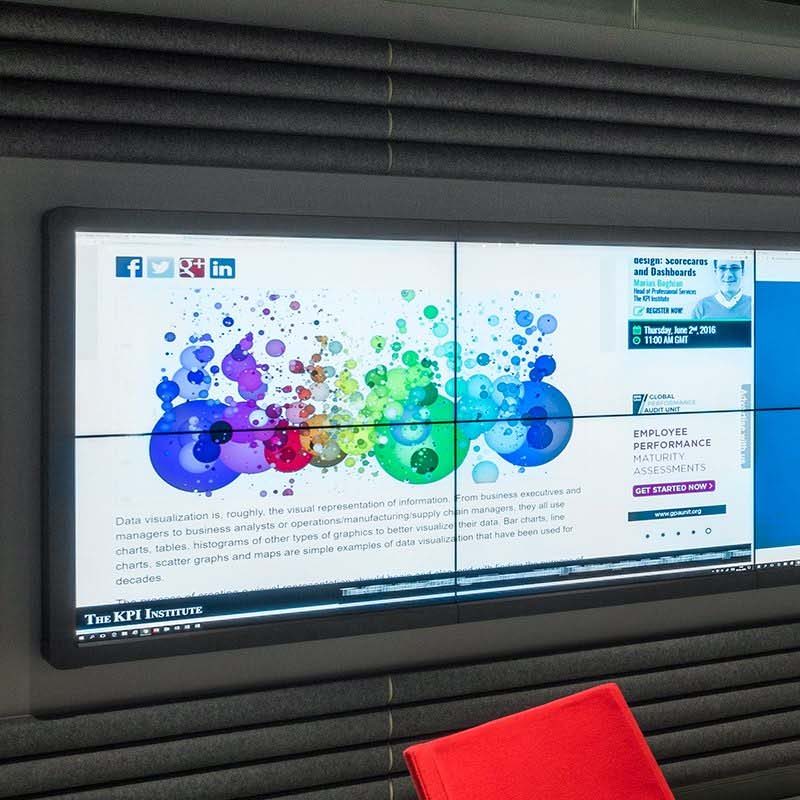
Integrated LED displays with ultra-fine pixel pitches are used to visualize mission-critical data with minimal latency. The embedded controllers empower operators with real-time updates and dynamic content control. Modular all-in-one systems also support video wall configurations through scalable units.
3. Sports Venues and Entertainment Hubs
All-in-one LED displays simplify stadium and arena installations via plug-and-play modules that maintain synchronized video feeds for scoreboards and advertising panels. The sturdy enclosures offer protection against impact and weather while delivering high-refresh-rate video suited for live events.
4. Corporate and Educational Environments
Meeting rooms, auditoriums, and lecture halls leverage all-in-one systems for presentations and digital signage. The integrated design supports easy content updates through network connectivity, while the high pixel density ensures clear visibility even at short viewing distances.
Common Challenges and Solutions
1. Heat Dissipation in Compact Enclosures
Given the high integration density, removing heat efficiently remains a critical design challenge. Manufacturers employ advanced materials and computational fluid dynamics (CFD) simulations during the design process to optimize airflow and thermal paths. Incorporation of smart temperature monitoring sensors helps prevent thermal damage by triggering fans or reducing brightness dynamically.
2. Signal Integrity and EMI Management
All-in-one displays, with integrated electronics, are more susceptible to electromagnetic interference (EMI) influencing signal quality. Shielding techniques, grounded cabling, and adherence to FCC and CISPR EMC standards ensure clean video signals and compliance with local regulations.
3. Repair and Component Replacement
The integrated design may complicate some repair processes if components are soldered directly onto circuit boards. To address this, manufacturers design all-in-one units with modular replaceable boards and accessible mounting to enable service technicians to swap out faulty modules efficiently without dismantling entire displays.
Emerging Trends and Future Outlook
1. Smart All-In-One LED Displays
Integration of IoT (Internet of Things) technologies is becoming commonplace, allowing remote monitoring, diagnostics, and content management through cloud-based platforms. Embedded sensors can adjust brightness automatically based on environmental lighting, contributing to energy savings.
2. Flexible and Curved All-In-One Displays
Innovations in flexible PCB substrates and encapsulation materials enable curved and bendable all-in-one LED screens, opening new frontiers for creative installations and immersive user experiences.
3. Higher Resolution and Miniaturization
Advances in micro-LED technology promise all-in-one displays with smaller pixel pitches (below 0.5mm), ultra-high resolution, and improved contrast ratios suitable for critical applications such as medical imaging and virtual reality.
4. Sustainability Focus
Manufacturers are increasingly adopting recyclable materials, low-power electronics, and environmentally friendly production processes to align with global sustainability initiatives and reduce e-waste.
Industry Standards and Credible Sources
- IEC 62368-1: Safety standard for audio/video and information technology equipment, including LED displays.
- IEC 62031: LED modules for general lighting – safety requirements.
- UL & CE Certification: Ensuring product safety and electromagnetic compatibility.
- Society for Information Display (SID): Publications on novel LED technologies.
- Case Studies: Leyard, Unilumin, Daktronics reports on all-in-one LED display installations.
- Technical References: Wikipedia entries on LED display technology, IEEE papers on LED module integration.
Conclusion
The advent of the all-in-one LED display represents a significant stride toward more integrated, user-friendly, and reliable LED video solutions. By consolidating key electronic components and optimizing design for both performance and maintenance, these systems offer distinct advantages across numerous industries. From outdoor advertising boards that withstand direct sunlight to control room video walls demanding ultra-high resolution, all-in-one LED displays are transforming how visual content is delivered.
While challenges related to thermal management and repairability persist, ongoing innovations in materials, IoT integration, and modular design continually enhance their efficacy. As the LED display market grows and diversifies, embracing the all-in-one approach will be increasingly critical for stakeholders seeking streamlined installation, reduced downtime, and flexible deployment options.
For professionals and enterprises aiming to future-proof their digital signage and visualization infrastructure, understanding the technical nuances and practical benefits of all-in-one LED displays is indispensable. By aligning with industry standards and leveraging trusted manufacturer expertise, the adoption of these advanced systems can ensure high-impact, sustainable visual communications worldwide.
References:
- Wikipedia contributors. “LED screen.” Wikipedia, The Free Encyclopedia. https://en.wikipedia.org/wiki/LED_screen
- Windows, J. “LED Display Technology: A Primer.” IEEE Spectrum, 2021.
- Leyard White Papers. “Integrated LED Displays: Design and Advantages.” Leyard Group, 2022.
- IEC Standards Database. IEC 62368-1 and IEC 62031 documents.
- Daktronics Case Studies. “All-in-One LED Solutions for Outdoor Advertising.” Daktronics, 2023.
Author: LED Display Engineering Specialist with 15+ years in high-brightness outdoor display technology development and integration.