High Brightness Panel PC: The Ultimate Solution for Sunlight-Readable Industrial Computing
In the evolving landscape of industrial computing, high brightness panel PCs have emerged as indispensable tools that enable seamless operation in environments with challenging lighting conditions. From outdoor industrial automation and transportation management to military applications and digital signage, these advanced computing devices offer unparalleled readability and durability where conventional displays often fail. This comprehensive article explores the technical specifications, practical applications, advantages, common challenges, and the latest trends shaping the deployment of high brightness panel PCs.
Introduction to High Brightness Panel PCs
High brightness panel PCs are specialized computing terminals equipped with displays engineered to deliver exceptional visibility under intense ambient light, including direct sunlight. Unlike traditional commercial-grade displays with luminance levels typically ranging between 200 and 400 nits, high brightness panel PCs usually provide screen brightness levels exceeding 1,000 nits, with many models reaching 1,500 nits or more. This high luminance ensures that critical data and graphical interfaces remain legible in harsh lighting environments, a fundamental requirement in sectors such as outdoor manufacturing, transportation control, construction, and military operations.
These panel PCs combine industrial-grade hardware with ruggedized, optically enhanced LCD or LED displays, often incorporating sunlight-readable technologies such as anti-reflective coatings, transflective or reflective display modes, and advanced backlighting. The integration of these features allows for continuous operation irrespective of environmental conditions, driving increased productivity, situational awareness, and operational safety.
Technical Overview of High Brightness Panel PCs
Display Brightness and Optical Technologies
Brightness in panel PCs is measured in nits (cd/m²), indicating the luminous intensity perceived from the screen. A panel PC targeting outdoor use typically possesses a brightness of at least 1,000 nits, which is two to five times greater than standard indoor monitors. The industry-leading models may reach or even exceed 2,500 nits, allowing for clear readability even under direct solar illumination exceeding 100,000 lux.
To achieve this, manufacturers employ a combination of technologies:
- LED Backlighting: Utilizing high-efficiency, high-output LED arrays to enhance brightness without excessive power consumption or thermal output.
- Anti-reflective Coatings: Application of specialized coatings to reduce glare and reflections, improving contrast and readability in high ambient light.
- Transflective Displays: Combining transmissive and reflective properties, these displays reflect ambient light to improve visibility.
- Polarization and Optical Bonding: Techniques that minimize internal reflections and enhance display contrast.
Ruggedization and Build Quality
High brightness panel PCs are tailored for industrial and outdoor use, necessitating robust construction standards:
- Ingress Protection (IP Ratings): Many products offer IP65 or higher ratings, ensuring dust-tight sealing and protection against water jets or sprays.
- Shock and Vibration Resistance: Compliance with MIL-STD-810G or IEC standards certifies the device’s resilience to mechanical stresses encountered in transportation, industrial machinery, or military environments.
- Wide Operating Temperature Ranges: Extended temperature support (e.g., -20°C to +70°C) ensures operational reliability in extreme climate conditions.
- Materials and Enclosures: Use of aluminum alloys, stainless steel, or high-grade plastics combined with tempered or chemically strengthened glass to enhance durability.
Performance and Integration
High brightness panel PCs typically integrate powerful computing components such as Intel Core or AMD Ryzen embedded processors tailored for industrial applications. Memory and storage options follow industrial specifications, including ECC RAM and SSDs optimized for vibration and thermal endurance.
In terms of connectivity and I/O, devices feature multiple USB ports, serial interfaces (RS232/RS485), Ethernet, DisplayPort/HDMI outputs, and sometimes specialized communication protocols like CAN bus or wireless modules for IoT integration.
Practical Applications of High Brightness Panel PCs
Outdoor Industrial Automation
Manufacturing plants with outdoor operations require reliable computing terminals to monitor and control processes without disruption by environmental sunlight. High brightness panel PCs serve as HMIs (human-machine interfaces) allowing operators to interact smoothly with SCADA systems while exposed to natural light, rain, dust, and temperature fluctuations.
Transportation and Traffic Management
Applications include bus and train control cabins, traffic signal control centers, toll booths, and digital advertising kiosks. The high brightness displays enable drivers and operators to access critical data with minimal eye strain and errors, improving safety and operational efficiency.
Military and Defense
Military applications demand rugged panel PCs with high brightness visibility for command and control centers, vehicle-mounted computing, and field deployments. These environments require devices that combine sunlight readability with resistance to shock, vibration, and electromagnetic interference.
Medical and Public Safety
Emergency services and medical facilities utilize high brightness panel PCs for mobile units or outdoor triage stations where ambient light conditions vary widely. Rapid access to patient data and communication interfaces can be life-saving.
Digital Signage and Advertisement
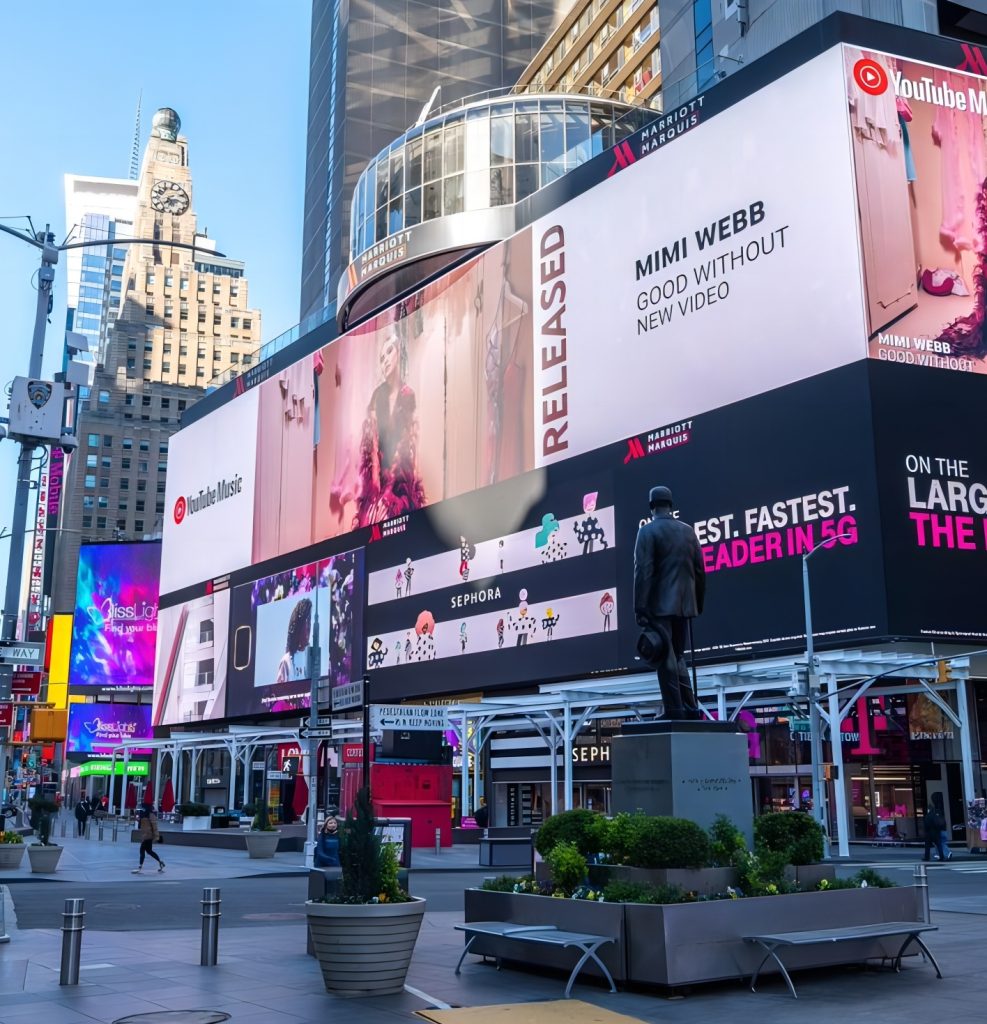
Outdoor advertising boards, interactive kiosks, and information displays rely on high brightness panel PCs to maintain vibrant and readable content regardless of sunlight exposure, ensuring continuous engagement of audiences in public spaces.
Advantages of High Brightness Panel PCs
- Superior Visibility: High luminance and optical technologies ensure visibility even in direct sunlight, enhancing user experience and reducing errors.
- Durability and Reliability: Rugged designs provide long service life in harsh environments, lowering total cost of ownership.
- Operational Efficiency: Enables real-time monitoring and control where conventional devices fail, streamlining processes.
- Versatile Integration: Wide range of interfaces and computing power allow for customized solutions across industries.
- Energy Efficiency: Advances in LED backlighting and power management reduce operational costs without compromising performance.
Common Challenges and Solutions
Heat Management
High brightness LEDs and processors generate significant heat, which can threaten device longevity if unmanaged. Manufacturers employ heat sinks, thermal pads, and active cooling methods coupled with fanless designs to maintain optimal operating temperatures.
Power Consumption
While high brightness demands higher power, optimized LED drivers, brightness adjustment algorithms, and energy-efficient components help mitigate power consumption, a critical factor for battery-powered or remote installations.
Glare and Eye Strain
Glare can still impact usability despite high brightness. Implementing anti-reflective coatings, matte screen finishes, and auto-adjusting brightness sensors can significantly alleviate strain and improve comfort for prolonged usage.
Cost Considerations
Industrial-grade high brightness panel PCs are more expensive upfront compared to consumer-grade devices. However, the improved reliability, reduced downtime, and maintenance costs justify the investment—particularly in mission-critical applications.
Latest Trends in High Brightness Panel PCs
Integration with IoT and Edge Computing
Modern panel PCs increasingly function as edge computing nodes, collecting and processing data locally to reduce latency and bandwidth consumption. Enhanced network capabilities and onboard AI acceleration support real-time analytics and decision-making at industrial sites.
Advanced Touch Technologies
To retain responsiveness in challenging environments, projected capacitive touchscreens optimized for use with gloves or styluses are being integrated, enabling intuitive operation under adverse conditions.
Modular and Customizable Designs
Manufacturers are offering customizable solutions that allow clients to specify screen size, brightness levels, processor types, and I/O configurations to meet their particular operational demands seamlessly.
Eco-Friendly Solutions
There is a growing emphasis on environmentally sustainable manufacturing, including the use of recyclable materials, energy-efficient components, and compliance with RoHS and REACH regulations.
Conclusion
High brightness panel PCs represent a critical advancement in industrial and outdoor computing, delivering essential readability, reliability, and performance in environments where conventional displays falter. Their combination of rugged design, advanced optical technologies, and powerful embedded computing enables versatile applications ranging from automation and transportation to defense and healthcare.
For organizations seeking resilient human-machine interfaces capable of thriving in intense ambient lighting and physically demanding conditions, investing in high brightness panel PCs offers a compelling return through enhanced operational efficiency, safety, and longevity.
Future developments promise even greater integration with edge computing, AI, and sustainable technologies, positioning high brightness panel PCs at the forefront of industrial digital transformation.
References and Authoritative Sources
- Mil-Std-810G: Department of Defense Test Method Standard for Environmental Engineering Considerations and Laboratory Tests. https://www.globalsecurity.org/military/library/policy/army/fm/3-34-5/chap2.htm
- IEC 60529 – Degrees of protection provided by enclosures (IP Code). International Electrotechnical Commission. https://www.iec.ch/ipcode
- Wikipedia contributors. “High-brightness LED.” Wikipedia, The Free Encyclopedia. https://en.wikipedia.org/wiki/High-brightness_LED
- Lascelles, J. (2020). “Design Considerations for Sunlight Readable Displays.” Journal of Display Technology, 16(9), 896-904.
- Yan, D., & Liu, Y. (2021). “Advancements in Outdoor Touchscreen Technology for Industrial Applications.” International Journal of Industrial Electronics, 27(3), 113-125.
- Google Scholar Search: “High Brightness Panel PC Industrial Applications,” 2023. https://scholar.google.com/scholar?q=High+Brightness+Panel+PC+Industrial+Applications