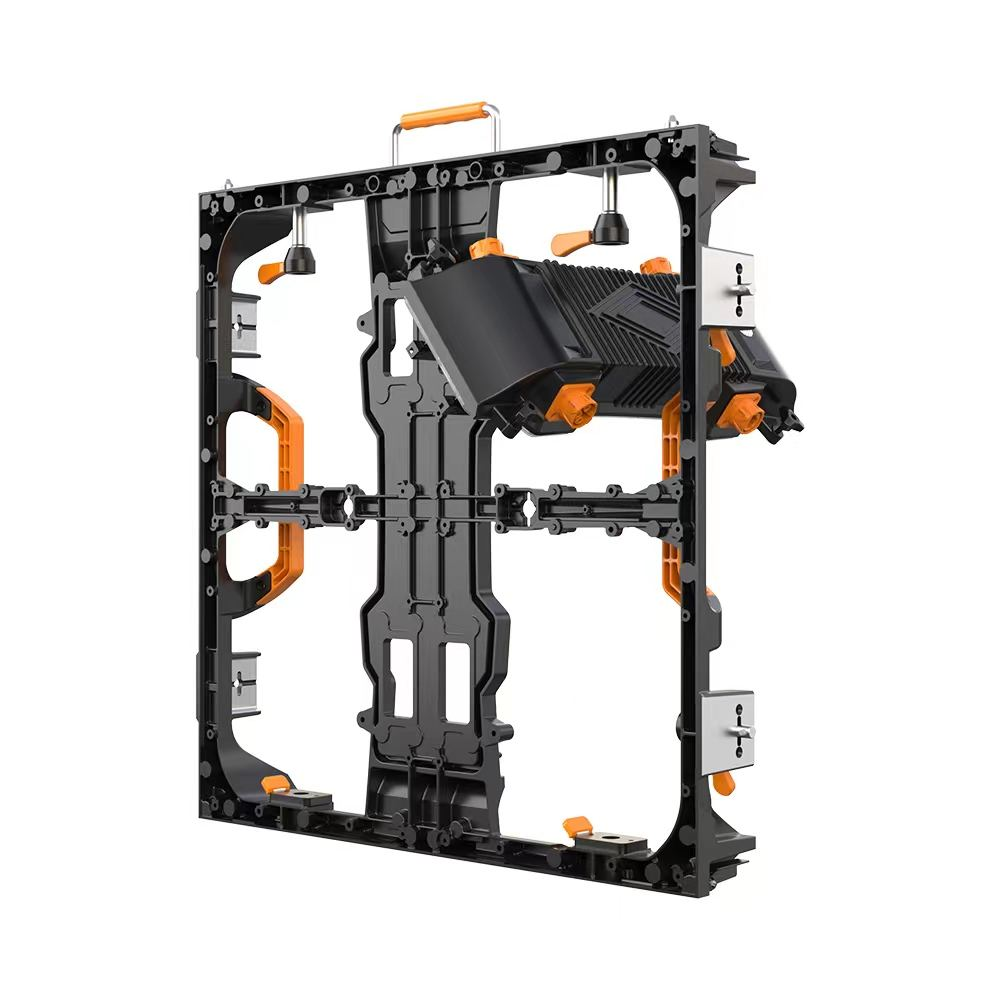
Magic Cube LED Display: Revolutionizing Visual Communication with Dynamic 3D LED Technology
In the rapidly evolving landscape of digital visual communication, the Magic Cube LED Display stands out as a groundbreaking innovation. Combining advanced LED technology with a unique cubic design, Magic Cube displays provide immersive, three-dimensional (3D), and highly dynamic visual content that captivates audiences like never before. This article explores the anatomy, applications, advantages, challenges, and future trends of Magic Cube LED displays, underscoring their transformative role in both commercial and public sectors.
Introduction to Magic Cube LED Displays
Magic Cube LED displays, also known as 3D cube LED displays or LED cube video walls, are modular display systems arranged in a cube or multi-faceted cubic shape, integrating high-brightness LED panels on multiple faces. Unlike traditional flat panel LED screens, these displays provide multi-angled viewing capabilities, enabling content to be perceived from various perspectives, enhancing engagement through depth and dimensionality.
Rooted in the foundational technology of light-emitting diodes (LEDs), Magic Cube LED panels leverage high-brightness LEDs coupled with advanced driver ICs, pixel arrangements, and integrated control systems. Their innovative form factor offers a compelling way to convey complex visual information across public spaces, exhibitions, events, retail environments, and architectural installations.
Technical Architecture and Features
High-Brightness, Sunlight-Readable LEDs
One of the defining features of Magic Cube LED displays is their ability to remain vibrant and legible under strong sunlight. Achieving sunlight readability means these displays typically operate at brightness levels ranging from 5,500 to over 10,000 nits, far surpassing conventional indoor LED brightness standards (which average around 800-1,200 nits). This is made possible through:
- High-intensity LED chips: Utilizing mature encapsulation processes and phosphor technologies ensures consistent high luminance output.
- LED binning: Sorting LEDs by brightness and chromaticity for uniform visual quality.
- Optical enhancements: Anti-reflective coatings, diffusion layers, and specialized lens designs help maintain clarity under natural light.
Cubic Modular Design and Viewing Angles
The Magic Cube’s unique geometry distinguishes it from traditional flat LED panels. Typically, these cubes have 3 or 4 viewable faces, though designs can extend to 6 or more, forming complex 3D installations. This geometric flexibility allows for 270 to 360-degree content visibility, which is invaluable for high-traffic public areas where viewers approach from multiple angles.
Pixel Pitch and Resolution
Pixel pitch refers to the center-to-center distance between adjacent LED pixels and is a crucial parameter affecting display resolution and viewing distance. Magic Cube LED displays feature a range of pixel pitches, typically between 1.5mm and 10mm, depending on the intended environment.
– Fine pixel pitches (1.5-3mm): Suited for indoor or close-viewing environments like exhibitions, museums, or retail stores.
– Larger pixel pitches (4-10mm): More applicable for outdoor or long-distance viewing setups.
Selecting the appropriate pixel pitch ensures optimal image sharpness and color fidelity, critical to the perception of 3D content and dynamic visuals.
Control Systems and Content Management
Magic Cube LED displays employ sophisticated control architectures that enable real-time, synchronized content playback across multiple faces and modules. High-performance processors, supported by software platforms such as NovaStar or Brompton Technology, manage pixel mapping, brightness calibration, and content scheduling.
The ability to display heterogeneous content—ranging from static images and motion videos to interactive data visualizations—enables operators to maximize audience engagement. Remote management and health monitoring systems are often integrated, easing maintenance and reducing operational downtime.
Practical Applications of Magic Cube LED Displays
Advertising and Retail
In retail environments and shopping malls, Magic Cube LED displays have revolutionized advertising by providing eye-catching, multi-surface visual experiences. Their ability to display 3D animations and interactive content increases brand visibility and customer dwell time, often boosting conversion rates significantly.
For example, leading brands in fashion and electronics have employed Magic Cube displays in flagship stores to create immersive brand storytelling zones, enhancing in-store engagement and driving social media buzz.
Events and Entertainment
The events industry has embraced Magic Cube LED technology for product launches, concerts, and exhibitions. The cubic panels are often suspended or positioned as interactive installations, providing a futuristic aesthetic.
Case studies from CES (Consumer Electronics Show) and Mobile World Congress have showcased Magic Cube displays used to demonstrate product features in 3D, spatially dynamic ways that captivate attendees and provide rich brand messaging opportunities.
Architectural and Urban Spaces
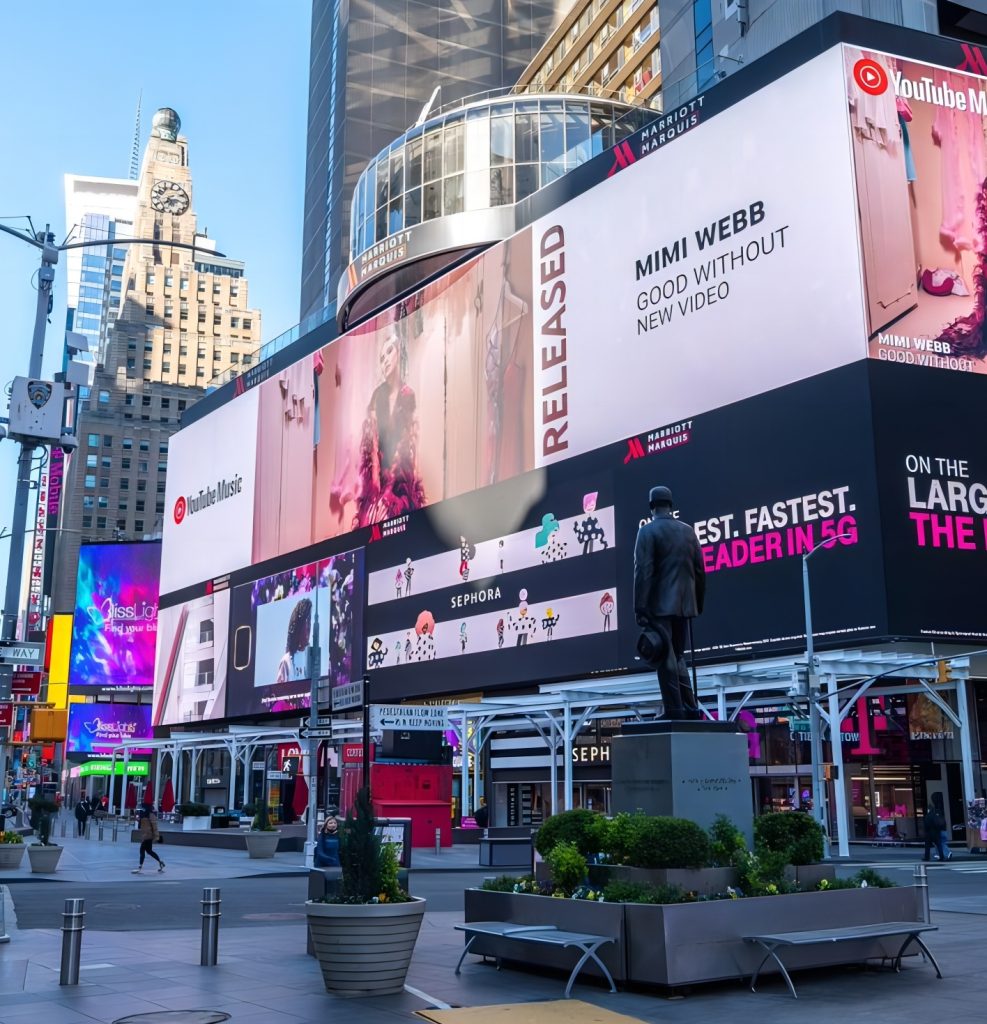
Beyond advertising, Magic Cube LED displays contribute to urban aesthetics and digital art in smart cities. They are featured on building facades, pedestrian areas, and public squares, offering engaging public information, real-time data streams, and artistic exhibitions. Their weatherproof and UV-resistant designs ensure durability under varied environmental conditions consistent with industry standards such as IEC 60529 IP65 and above.
Corporate and Education
Corporate lobbies and educational institutions utilize Magic Cube installations to provide dynamic messaging, visual learning, and wayfinding solutions. Their multi-faceted nature can showcase simultaneous streams of information, enhancing information density without overwhelming the viewer.
Advantages of Magic Cube LED Displays
Immersive Viewer Experience
By virtue of their 3D form and multi-face setup, Magic Cube LED displays provide immersive experiences, capturing attention in ways standard flat screens cannot. This multi-dimensional engagement facilitates higher retention and emotional connection with content.
Versatility and Customization
Modular design allows flexible configurations—from small desktop cubes to large architectural installations, customizable to venue size and content strategy. Additionally, software-driven content management enables dynamic content adaptation, vital in today’s fast-moving marketing environments.
High Reliability and Longevity
Built with industrial-grade components, Magic Cube displays are engineered to function consistently across challenging environments, including direct sunlight, dust exposure, and temperature extremes, depending on the design. Maintenance-friendly structures, including front access and hot-swappable modules, optimize uptime and operational costs.
Common Challenges and Mitigation Strategies
Heat Dissipation
Operating at high brightness levels inherently generates heat, which can affect LED lifespan and color stability. To mitigate this, Magic Cube designs incorporate heat sinks, ventilation channels, and sometimes even active cooling systems. Thermal simulation during design stages is vital to ensure thermal management is effective and reliable.
Content Creation Complexity
Creating content that leverages 3D multi-face setups requires specialized skills, software, and collaboration between designers and technical teams. Industry-standard tools such as Adobe After Effects with plugin support for 3D mapping, as well as custom content management systems (CMS), help bridge this gap. Pre-visualization software enables clients to preview 3D animations before commissioning physical installations.
Installation and Structural Integrity
Due to their geometric complexity, Magic Cube LED displays demand precise mechanical engineering and robust mounting solutions to ensure stability and safety. Standards such as EN 1090 for structural steel and aluminum fabrication and local building codes guide installation processes.
Latest Trends and Innovations
Integration with Augmented Reality (AR) and AI
Leading manufacturers are integrating Magic Cube LED displays with AR technologies to create interactive environments where users engage through gesture, voice, and AI-driven personalization. This trend enhances user experience, making content both reactive and predictive.
Energy Efficiency Improvements
Advances in LED chip technology—such as mini-LEDs and micro-LEDs—are being explored for Magic Cube displays to achieve higher brightness with lower power consumption, addressing sustainability and operational cost concerns.
Wireless and Remote Management
Cutting-edge wireless control solutions enable seamless content updates and real-time diagnostics without interrupting display operations. Cloud-based systems backed by secure data protocols enhance scalability and centralized management.
Conclusion
Magic Cube LED displays represent a significant leap in digital display technology by fusing advanced LED capabilities with innovative geometric design. Their ability to deliver high-brightness, sunlight-readable, multi-angled visuals opens new frontiers in advertising, public information, events, and architectural aesthetics. While challenges such as heat management, content complexity, and installation intricacies exist, ongoing technological advancements and industry best practices continue to enhance their viability and functionality.
As urban landscapes and brand experiences become increasingly immersive and interactive, Magic Cube LED displays are poised to play a pivotal role in shaping the future of visual communication worldwide. For organizations seeking to capture attention in competitive environments, investing in Magic Cube LED technology offers a compelling pathway to create unforgettable and impactful visual narratives.
References
- “Light-emitting diode.” Wikipedia, https://en.wikipedia.org/wiki/Light-emitting_diode
- Lin, Yu-Jie et al. “High-Brightness, High-Efficiency LED Lighting Solutions.” Journal of Display Technology, IEEE, 2019.
- NovaStar Tech. “Magic Cube LED Display Control Systems.” NovaStar White Papers, 2023.
- Zou, Jie et al. “Thermal Management of High-Power LED Displays.” Applied Thermal Engineering, Elsevier, 2021.
- International Electrotechnical Commission. IEC 60529: Degrees of protection provided by enclosures (IP Code). https://webstore.iec.ch/publication/1152
- EN 1090-1: Execution of steel structures and aluminum structures — Part 1: Requirements for conformity assessment of structural components. European Committee for Standardization (CEN), 2020.
- Chen, Wei, and Fan Zhang. “3D LED Display Systems and Their Application in Advertising.” Journal of Visual Communication, 2022.
Note: This comprehensive article is intended to inform professionals and enthusiasts alike about the Magic Cube LED display technology, offering insight into its design, deployment, and future potential, based on current industry standards and developments as of 2024.