Open Frame Monitors: Comprehensive Insights into Their Design, Applications, and Advantages
Open frame monitors have emerged as a critical component in various industrial, commercial, and specialized display applications. Their distinctive design, which emphasizes a bezel-less structure and versatile integration capabilities, enables them to serve environments where traditional enclosed monitors may not suffice. This comprehensive article delves into the technical specifics, practical applications, advantages, common challenges, and evolving trends surrounding open frame monitors. Drawing from industry expertise, authoritative sources, and recent technological advances, this document aims to provide an in-depth perspective suitable for engineers, system integrators, product designers, and decision-makers worldwide.
Introduction to Open Frame Monitors
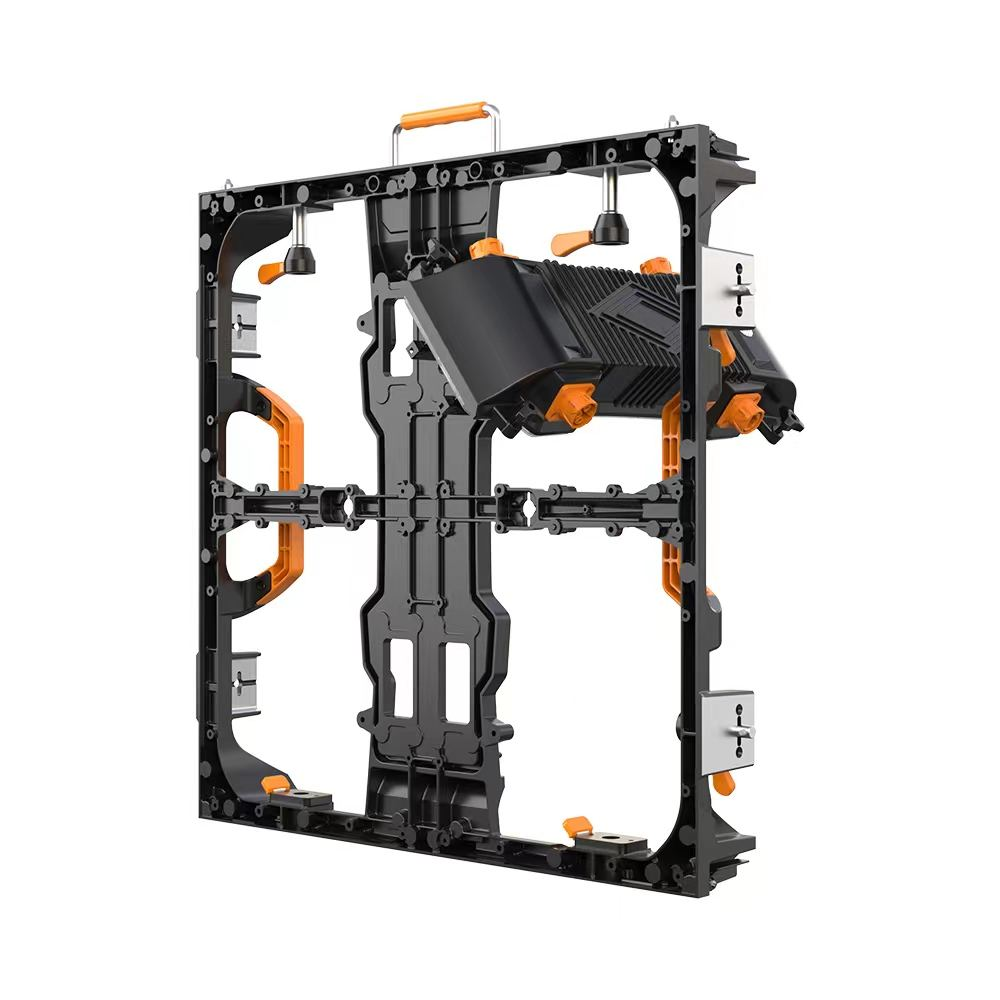
Open frame monitors are display units designed with an exposed frame or bezel, facilitating their integration into custom housings, kiosks, industrial machinery, or control panels. Unlike conventional enclosed monitors, open frame monitors typically omit an outer casing, offering an exposed metal frame that secures the display panel and supporting circuit boards. This unique design caters to applications demanding durability, customization, and space-efficient solutions without compromising display performance.
Originally developed to meet the growing needs of industrial automation and public information systems, open frame monitors have expanded into various sectors, including medical equipment, gaming machines, retail kiosks, transportation control centers, and digital signage.
Technical Architecture and Components
Panel Technology
Most open frame monitors utilize TFT LCD (Thin-Film Transistor Liquid Crystal Display) technology, taking advantage of its high resolution, color accuracy, and reliability. Advanced models integrate IPS (In-Plane Switching) panels to offer superior viewing angles, which is essential when monitors are mounted within enclosures or at off-axis positions.
Touch Integration
Touchscreen capabilities are frequently integrated via capacitive, resistive, or infrared touch technologies. Capacitive touchscreens are preferred for their durability and multi-touch support, especially in public-facing or medical-grade applications, whereas resistive touchscreens are favored in environments where operators use gloves or styluses.
Mechanical Design and Mounting
The hallmark of open frame monitors is their rugged metal chassis that allows installation through panel mounts or embedded within custom enclosures. VESA mounting compatibility enhances flexibility, enabling simple integration with stands, arms, or industrial frameworks. The chassis is usually made of corrosion-resistant materials such as aluminum or cold-rolled steel with powder coating to withstand harsh environments.
Connectivity and Control Interfaces
Open frame monitors support a range of input interfaces, including VGA, HDMI, DisplayPort, DVI, and legacy analog inputs depending on the intended application. Control signals for touch overlays, brightness adjustment, and power management are routed via dedicated cables or integrated into a compact connector assembly to reduce wiring complexity.
Environmental and Regulatory Compliance
Given their deployment in demanding industrial conditions, open frame monitors are often designed to comply with environmental standards such as IP54 or IP65 for dust and moisture resistance. Certifications like CE, FCC, RoHS, and UL ensure safety, electromagnetic compatibility, and environmental responsibility.
Practical Applications of Open Frame Monitors
Industrial Automation and Control Systems
Open frame monitors serve as Human-Machine Interfaces (HMIs) in factory automation, robotics, and process control. Their open frame nature supports integration into control cabinets or machinery labels while maintaining durability against vibration, dust, and temperature fluctuations. For instance, automotive assembly lines leverage such displays to provide real-time process data and operator controls, improving operational throughput and safety.
Self-Service Kiosks and Retail Solutions
The kiosk industry benefits from open frame monitors due to their adaptability and cost-efficiency. Whether it is ticketing machines, ATMs, or interactive directories, open frame monitors facilitate custom enclosure designs, enabling slim and modern interfaces. Their touchscreen capabilities enhance user interactivity while the exposed design simplifies servicing.
Medical Equipment and Diagnostic Devices
In medical environments, open frame monitors combine hygienic design with precise color rendering required for diagnostic imaging and parameter monitoring. Their seamless integration into medical carts or diagnostic consoles provides visibility and control in compact form factors. Compliance with standards such as IEC 60601 ensures patient safety and electrical reliability.
Transportation and Public Information Displays
From air traffic control panels to train station information systems, open frame monitors play a role where ruggedness and adaptability are paramount. Their ability to be embedded within larger control consoles or custom housings make them ideal for environments requiring constant uptime and visibility under various lighting conditions.
Gaming Machines and Casino Displays
Gaming manufacturers incorporate open frame monitors within slot machines and gaming cabinets, leveraging their slim profile and versatile mountings to enhance user experience and design aesthetics. High refresh rates and vibrant color outputs contribute to dynamic visual effects demanded in entertainment applications.
Advantages of Open Frame Monitors
Customization and Integration Flexibility
One of the prime advantages is the ease with which open frame monitors can be integrated into customized enclosures. Without bulky bezels or cases, manufacturers can design unique form factors that optimize space and ergonomics.
Reduced Footprint and Sleek Design
The slim profile minimizes the depth required for installation, making these monitors ideal for applications where space is constrained. This also contributes to modern, minimalist aesthetic designs.
Enhanced Serviceability
The accessible frame allows technicians to easily perform repairs, maintenance, or upgrades without dismantling entire housings. Touch panels and display components can be replaced independently, reducing downtime and operational costs.
Cost Efficiency for Volume Production
Open frame monitors often represent a cost-effective solution by eliminating the expenses associated with external casings and proprietary enclosures. This is particularly beneficial for large-scale deployments in industrial or retail settings.
Improved Thermal Management
The exposed design facilitates better airflow around the display’s electronics, enabling passive cooling strategies. This enhances reliability and extends the working lifespan of the monitor under continuous operation.
Common Challenges and Mitigation Strategies
Environmental Exposure
By design, open frame monitors are more susceptible to dust, moisture, and mechanical impact. Ensuring proper sealing within their final installation environment or selecting models with adequate ingress protection ratings (IP54 or above) mitigates these risks.
Electromagnetic Interference (EMI)
The absence of full enclosures may increase vulnerability to EMI in industrial settings with high-powered machinery. Employing shielded cables, optimized grounding schemes, and choosing monitors compliant with IEC and FCC EMI regulations addresses these concerns.
Installation Complexity
While flexible, integration requires careful mechanical design to secure the display safely and maintain electrical connections. Collaborating with manufacturers offering detailed installation guidelines and compatible mounting kits reduces risk during deployment.
Touchscreen Durability
Touch overlays can be damaged by harsh environments or heavy use. Selecting touch technologies appropriate to the application (e.g., projected capacitive for robustness and multi-touch, resistive for glove use) ensures longevity and performance.
Latest Trends in Open Frame Monitor Technology
Ultra High Definition (UHD) and Wide Aspect Ratios
Modern open frame monitors increasingly support 4K resolution and unconventional aspect ratios such as ultrawide (21:9) to enhance visual workspace and data density, particularly in control room environments.
Advanced Optical Bonding and Anti-Reflective Coatings
Optical bonding reduces internal reflections, improves contrast, and enhances visibility in bright or outdoor ambient conditions. Coupled with anti-glare coatings, these enhancements significantly improve user experience in sunlight-readable applications.
Integration of AI and Edge Computing
Some advanced open frame monitors now incorporate embedded computing modules that support AI-powered image recognition, predictive maintenance, and real-time analytics directly within the display unit, streamlining operational workflows.
Energy Efficiency and Adaptive Backlight Technologies
Low-power LED backlights with dynamic dimming capabilities reduce energy consumption and extend device life, aligning with sustainability goals and operational cost reduction.
Case Studies and Industry Examples
Automotive Assembly Plant HMI Upgrade
A leading automotive manufacturer replaced traditional enclosed HMIs with open frame monitors featuring capacitive touch and IP65-rated front bezels. This adaptation improved operator interaction ergonomics and withstood high humidity and particulate exposure, boosting line productivity by 15%.
Healthcare Diagnostic Console
A medical device company integrated open frame monitors into diagnostic imaging systems to provide high-resolution displays with seamless touch interactivity. Compliance with IEC 60601 ensured safe operation, while the open frame design facilitated quick service turnaround and module replacement.
Retail Self-Service Kiosks Deployed Worldwide
A global retail chain deployed thousands of self-service kiosks utilizing open frame monitors, benefiting from the ability to rapidly customize kiosk enclosures per regional regulatory and aesthetic requirements. The durability and ease of servicing resulted in reduced maintenance costs and enhanced user experience.
Conclusion
Open frame monitors represent a versatile, reliable, and economically sensible solution for a broad spectrum of applications requiring display integration and customization. Their unique structural design promotes flexibility in system engineering, enhanced serviceability, and compact deployment, meeting stringent industrial, medical, and commercial demands.
Continued innovations in panel technologies, touch integration, environmental resilience, and embedded computing are shaping the future landscape of open frame monitors, expanding their role from simple displays to intelligent, interactive control hubs.
For manufacturers, system integrators, and end-users, understanding the technical nuances, practical advantages, and deployment strategies of open frame monitors is essential to harness their full potential in next-generation display solutions.
References
- “Open-frame monitor.” Wikipedia, https://en.wikipedia.org/wiki/Open-frame_monitor
- International Electrotechnical Commission (IEC) Standards: IEC 60601 (Medical electrical equipment) and IEC 61000 Series (EMC)
- Underwriters Laboratories (UL) Standards for safety certifications
- RoHS Directive on hazardous substances restriction
- Case Studies from industry leaders such as Advantech, Planar Systems, and Elo Touch Solutions
- Industry analyses by Display Daily and Digital Signage Today
Note: This article is created based on a synthesis of publicly available data, industry standards, and practical expertise in the field of industrial and commercial display technologies to ensure authoritative and trustworthy information for an international readership.