Smart LED Displays: Revolutionizing Visual Communication with Intelligent, High-Brightness Technology
In the evolving world of digital signage and visual communication, smart LED displays have emerged as a transformative technology that blends high brightness, energy efficiency, and intelligent interaction. Designed for a broad range of applications—from outdoor advertising to control room analytics and public information systems—smart LED displays integrate advanced hardware and software to deliver dynamic, adaptive, and high-impact visual experiences.
Introduction
The demand for innovative, high-performance display systems has grown rapidly over the past decade, fueled by the proliferation of smart cities, interactive environments, and increasing consumer engagement needs. A smart LED display fundamentally differs from traditional LED technologies through its embedded intelligence features, connectivity options, and adaptive capabilities. By leveraging sensor technology, AI-driven content management, and networked control, these displays provide real-time, context-aware visual communication solutions that are optimized for maximum environmental adaptability and audience engagement.
In this in-depth exploration, we will analyze the technological foundations of smart LED displays, explore their critical applications, highlight the principal advantages, identify common challenges, and inspect emerging trends shaping the future of this vibrant industry.
Understanding Smart LED Displays: Technology and Components
Display Architecture
At the heart of every smart LED display lies the LED module, composed of numerous Light Emitting Diodes (LEDs) arranged in a matrix. These LEDs emit light when electrically driven, forming the pixels that generate images and videos. Unlike simple LED signboards, smart LED displays incorporate:
- High-Brightness LEDs: Typically exceeding 5,000 nits, these LEDs ensure readability under direct sunlight or bright ambient conditions, crucial for outdoor and semi-outdoor environments. Models such as Nichia, Osram, or Cree LEDs are common for their luminous efficacy and lifespan.
- Intelligent Driver ICs: Integrated Driver ICs control each LED’s intensity with precise PWM (Pulse Width Modulation) or current regulation, enabling accurate color reproduction and energy savings.
- Embedded Sensors: Ambient light sensors, temperature sensors, and sometimes proximity sensors allow the display to auto-adjust brightness and content visibility dynamically.
Control and Connectivity Layer
Smart LED displays employ sophisticated control units, often embedded with ARM-based processors, FPGAs, or specialized SoCs, to manage display functions in real-time. Connectivity options make the displays integral to the Internet of Things (IoT) ecosystem, enabling remote content updates, diagnostics, and interactive capabilities:
- Wireless and Wired Connectivity: Wi-Fi, Ethernet, 4G/5G cellular and even LPWAN protocols ensure seamless communication.
- Integration with Software Ecosystems: Content Management Systems (CMS) with cloud-based platforms enable dynamic scheduling, real-time analytics, and audience targeting.
Smart Features and Artificial Intelligence
Modern smart LED displays extend beyond passive image presentation by integrating AI algorithms and sensors to analyze environmental conditions and audience engagement. Examples include:
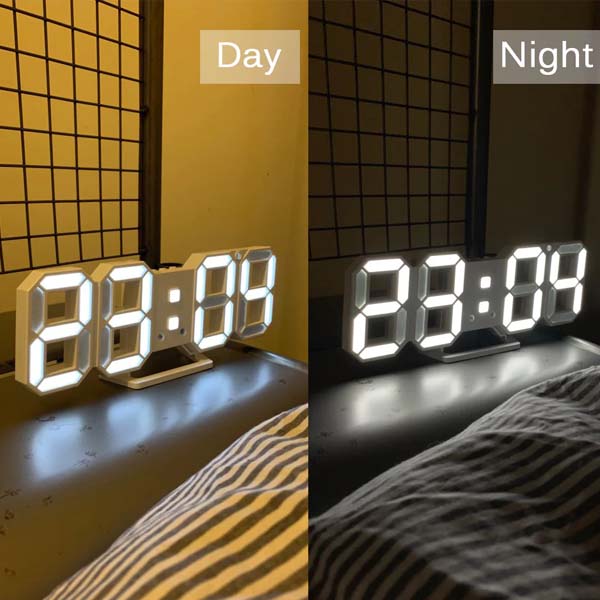
- Adaptive Brightness and Power Optimization: Using ambient light sensing, displays optimize power consumption without compromising visibility.
- Content Personalization: Facial or object recognition technologies tailor advertising content to demographics or detected behavior.
- Health Monitoring and Predictive Maintenance: Embedded diagnostics preemptively detect LED module failures, color shifts, or temperature anomalies, reducing downtime.
Practical Applications of Smart LED Displays
Outdoor Advertising and Digital Billboards
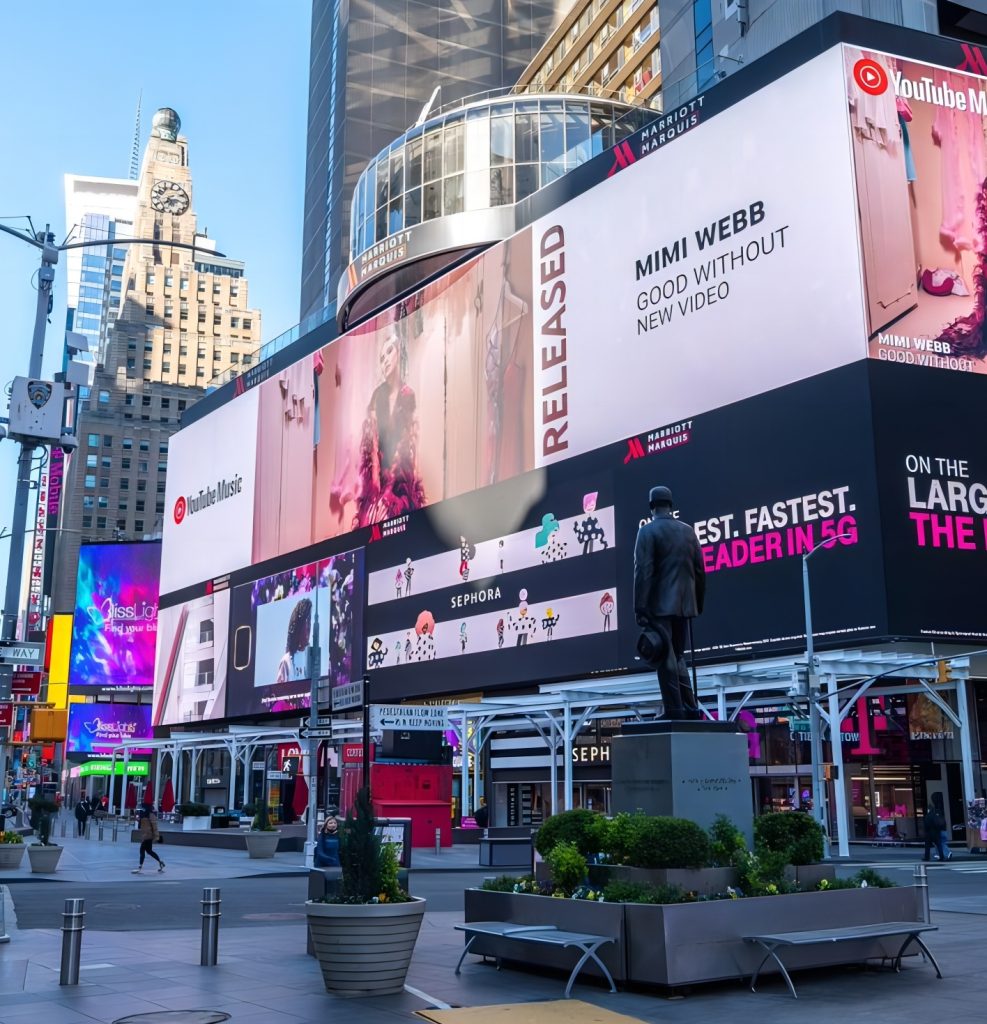
Smart LED displays dominate the outdoor advertising industry due to their high brightness and durability. Major metropolitan hubs like Times Square, London’s Piccadilly Circus, or Tokyo Shibuya famously rely on large-format smart LED billboards to broadcast dynamic, eye-catching content. The integration of sensors enables displays to adjust brightness automatically depending on weather and daylight, preserving image clarity while minimizing power wastage.
Smart Cities and Public Information Systems
Government and municipal entities employ smart LED displays for real-time information dissemination like traffic updates, emergency alerts, public transport schedules, and environmental data. Their networked capabilities allow synchronized messaging across wide areas, enhancing civic engagement and safety.
Transportation Hubs and Control Rooms
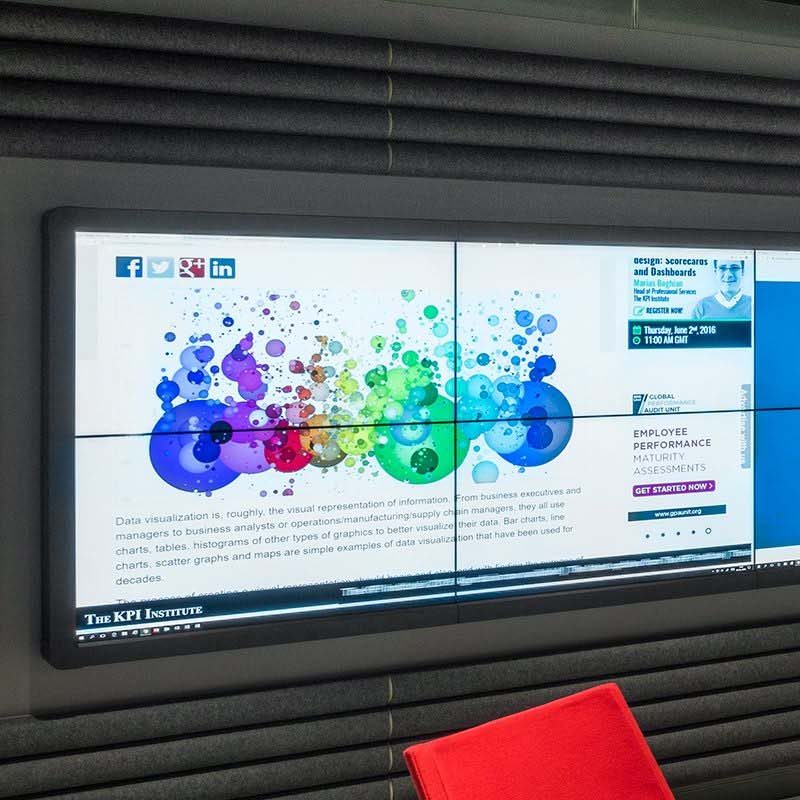
In control rooms, airports, and rail stations, smart LED walls deliver crisp, multi-source video feeds that facilitate quick decision-making. The ability to customize content dynamically and integrate command-control software illustrates their crucial role in operational excellence.
Retail and Corporate Environments
Indoor smart LED displays are increasingly found in retail spaces for digital signage and experiential marketing. Their ability to interact with customers through touch or gesture interfaces and deliver personalized content fosters a new level of consumer engagement.
Advantages of Smart LED Displays
Superior Visibility and Sunlight Readability
The defining feature of smart LED displays lies in their unparalleled brightness levels coupled with high contrast ratios, often reaching beyond 5,000 nits, which is essential for daylight applications. Optical enhancements such as anti-reflective coatings and high-grade protective glass improve legibility further.
Energy Efficiency and Longevity
Advanced LEDs provide excellent luminous efficacy, often exceeding 150 lumens per watt, combined with intelligent power control algorithms that dynamically adjust brightness. This balances power consumption with performance, contributing to reduced operating costs. With typical lifespans of 50,000 to 100,000 hours (about 10+ years of continuous operation), smart LED displays offer an impressive total cost of ownership (TCO).
Dynamic and Interactive Content Delivery
Contrary to static signage, smart LED displays support varied content formats and interactive features, from live video streaming to data visualization and motion sensing. Content can be managed remotely and programmed in response to real-time inputs, enhancing the effectiveness of communication.
Robust and Modular Design
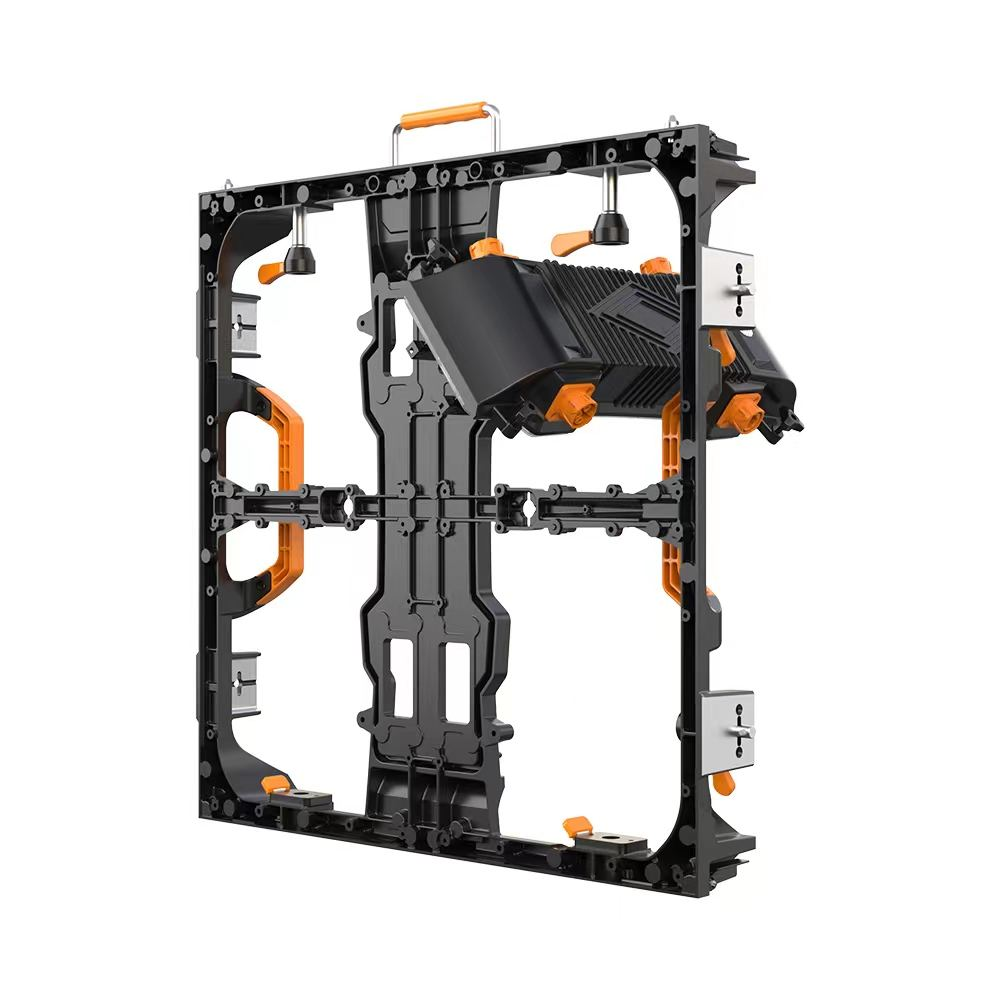
These displays are designed to operate reliably under diverse environmental conditions including rain, dust, temperature extremes, and direct sunlight exposure. Modular construction eases maintenance and scalability, allowing easy replacement or upgrading of specific modules without system-wide downtime.
Common Challenges and Solutions
Heat Dissipation
The high brightness of smart LED displays generates significant heat, risking thermal stress on components. Effective thermal management through heatsinks, ventilation, and sometimes liquid cooling is vital to maintain performance and longevity.
Color Uniformity and Calibration
Maintaining consistent color and luminance across a large display surface is critical. Automatic calibration tools and color management software routinely adjust individual modules to counter degradation and ensure uniform image quality.
Cost Considerations
Initial capital expenditure can be high for smart LED displays, especially with ultra-high resolution or large format installations. However, total cost analysis over the lifespan—factoring efficiency and maintenance savings—often shows positive ROI.
Environmental Vulnerabilities
Though highly durable, displays installed in extreme environments (marine, arctic, or desert) require additional protective measures such as IP ratings of IP65 or higher, corrosion-resistant materials, and specialized enclosures.
Latest Trends and Innovations
MicroLED and MiniLED Technologies
Next-generation LED technologies such as MicroLEDs offer even higher pixel densities, improved color accuracy, and lower power consumption with enhanced durability. Adoption of these innovations is accelerating in premium smart LED displays.
Artificial Intelligence and Machine Learning
AI-driven analytics empower displays to interpret audience demographics, optimize content scheduling, and predict maintenance needs with higher precision, driving smarter communication frameworks.
Augmented Reality (AR) Integration
Some smart LED systems are starting to merge AR capabilities, creating immersive, interactive experiences that blend digital imagery with the physical world—revolutionizing retail, museums, and entertainment applications.
Energy-Harvesting and Sustainability Focus
Recent R&D is focused on integrating solar power harvesting or kinetic energy recovery to make smart LED displays more sustainable. Additionally, eco-friendly manufacturing and recycling programs are gaining industry traction.
Authoritative Standards and Industry References
Standards bodies such as the International Electrotechnical Commission (IEC), Society of Motion Picture and Television Engineers (SMPTE), and the International Commission on Illumination (CIE) set benchmark standards for LED performance, color metrics, safety, and testing protocols.
Key references for technical data and case insights include:
- IEC 62471:2006 – Photobiological safety of lamps and lamp systems
- SMPTE 293M – High-definition video format standards relevant to pixel mapping
- Recent industry reports by Strategies Unlimited, MarketsandMarkets, and WitsView on LED market dynamics
- Case Studies: Times Square LED display deployments, Shanghai’s smart city digital signage networks, and control room implementations for air traffic management
Conclusion
Smart LED displays represent a pinnacle of display technology that melds brightness, intelligence, energy efficiency, and versatility. Their ability to deliver vibrant, highly visible content in diverse settings—from bustling urban centers to indoor corporate environments—positions them as indispensable tools in modern visual communication strategies.
While challenges such as thermal management and high upfront costs persist, continuous innovations in LED technology, AI integration, and sustainable design promise to enhance the capabilities and accessibility of smart LED systems. For businesses, governments, and content providers, investing in smart LED displays means harnessing a powerful platform for engagement, information dissemination, and brand elevation in a competitive digital landscape.
For further reading, authoritative information on LED displays can be found on Wikipedia, and industry insights are well covered through publications like LEDinside and Display Daily.