KSSHD: Advancing High-Brightness Sunlight-Readable LED Displays for Modern Applications
The field of LED display technology has witnessed rapid evolution in recent years, driven by the demand for better visibility, energy efficiency, reliability, and adaptability across various industries. At the forefront of this progress is the KSSHD technology—an innovative approach tailored specifically for high-brightness, sunlight-readable LED displays. As a professional LED display engineer specializing in outdoor and high-ambient-light environments, this article delves into the inner workings, advantages, practical applications, challenges, and future trends of KSSHD-based LED displays, emphasizing their significance in today’s global market.
Introduction to KSSHD Technology
KSSHD, an acronym standing for “Kinetic Superior Sunlight High Definition”, represents a benchmark in LED display technology engineered to combat one of the most persistent challenges in outdoor digital signage: sunlight readability. Developed through extensive research involving semiconductor materials, optics, and thermal management, KSSHD is designed to deliver superior luminance, contrast ratio, and color fidelity even under direct and intense sunlight conditions.
Traditional LED displays often falter when exposed to bright ambient light, leading to diminished visibility and viewer fatigue. KSSHD addresses these issues by combining advanced LED chip design with innovative driving circuitry and high-precision optics. This technological synergy ensures that displays remain sharp and vibrant without proportionally increasing power consumption, which is critical given the energy regulations and sustainability considerations in many regions worldwide.
Technical Foundations of KSSHD
LED Chip and Semiconductor Advances
KSSHD utilizes state-of-the-art High Power GaN (Gallium Nitride) LEDs, optimized for maximum luminous efficacy and reliability. Gallium Nitride-based LEDs have revolutionized the market due to their ability to produce higher brightness levels with lower energy input compared to traditional LEDs. In KSSHD, LEDs are arranged at denser pitches, supporting resolutions up to 8K for ultra-small pixel pitch displays, without sacrificing brightness.
These LEDs also incorporate multi-quantum well (MQW) structures engineered for enhanced electron-hole recombination efficiency. The result is high luminance output exceeding 10,000 nits in some configurations—sufficient for direct sunlight readability, as industry standards such as the International Electrotechnical Commission’s IEC 62717 suggest a minimum of 5,000–7,000 nits for sunlight-viewable displays.
Optical Enhancements
One of the critical advantages of KSSHD is its innovative optical design that leverages micro-lens arrays and specialized anti-reflective coatings. These optical elements reduce ambient light reflection by up to 30%, improving the contrast ratio significantly. The improved contrast ratio not only boosts visibility but also enhances the color depth perceived by users, essential for outdoor applications like live event broadcasting, advertisement, and real-time data visualization.
Advanced Driving and Thermal Management
KSSHD’s driving circuits feature dynamic current control with PWM (Pulse Width Modulation) and current multiplexing, ensuring LEDs perform reliably without color shift or thermal degradation. Employing such methods helps maintain the high brightness levels while prolonging LED lifespan—addressing one of the primary concerns with ultra-high brightness displays.
Thermal management in KSSHD displays incorporates a multi-layer heat dissipation system combining graphene-based heat spreaders and custom aluminum alloys. These materials offer excellent thermal conductivity, preventing hotspots that could otherwise impair LED efficacy or cause premature failure. This engineering feat aligns with the standards outlined in JEDEC Solid State Technology Association’s JESD51 series for thermal characterization of semiconductor devices.
Practical Applications of KSSHD Displays
Outdoor Advertising and Digital Billboards
KSSHD displays deliver unparalleled performance for outdoor advertising where visibility in any weather condition is non-negotiable. Cities worldwide have adopted these solutions to enhance urban landscapes with dynamic content that remains vibrant from dawn to dusk, regardless of sunlight intensity.
Transportation and Public Information Systems
Transportation hubs such as airports, train stations, and highways benefit from KSSHD technology by improving passenger experience and safety through clear, reliable digital signage. Real-time updates on schedules, emergencies, and directions are instantly visible under any lighting conditions, reducing congestion and confusion.
Sports and Entertainment Venues
In professional sports arenas and outdoor concert venues, KSSHD displays ensure audience engagement with high-definition screen content while combating ambient light from the sun and floodlights. Their fast refresh rates and wide viewing angles meet stringent broadcasting and event production standards.
Industrial and Military Applications
Sunlight-readable displays are crucial in rugged, mission-critical environments. Industrial control centers and military command posts use KSSHD to sustain operational efficiency and situational awareness in extreme outdoor scenarios, from desert operations to maritime vessel decks.
Advantages of KSSHD Technology
- Exceptional Brightness and Contrast: Surpassing 10,000 nits brightness, KSSHD displays perform exceptionally in direct sunlight, ensuring clear visibility.
- Energy Efficiency: Optimized driving circuitry and LED chip design allow for high luminance with lower power consumption, aligning with global environmental standards.
- Durability and Longevity: Advanced thermal management extends product life cycle and reliability, crucial for minimizing maintenance in outdoor installations.
- Color Accuracy and Wide Viewing Angles: Optical enhancements preserve color fidelity, providing uniform visibility from diverse viewing perspectives.
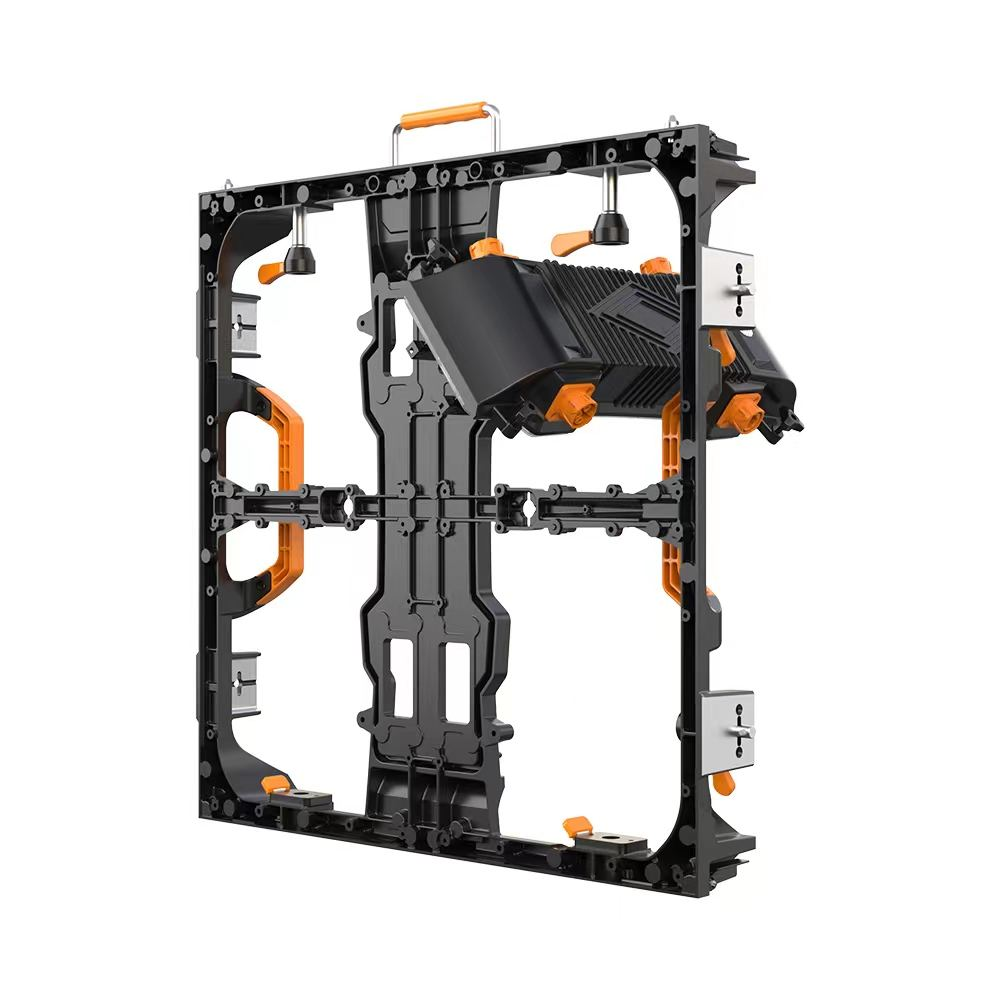
- Modular and Scalable Designs: KSSHD supports various pixel pitches and resolutions, facilitating deployment across small informational displays to massive billboard installations.
Common Challenges and Solutions
Thermal Management Under Extreme Conditions
Despite built-in heat dissipation measures, prolonged exposure to intense sunlight and high ambient temperatures can accelerate thermal stress on LED modules. Effective integration of KSSHD displays includes real-time temperature monitoring systems and adaptive brightness controls to balance visibility and longevity.
Cost Implications
KSSHD technology involves advanced materials and precision manufacturing, leading to higher initial investments. However, reduced energy costs and increased lifespan offset these expenditures over time. Case studies from urban digital signage projects in Singapore and Dubai have demonstrated ROI within 3–5 years.
Maintenance Complexity
The sophistication of KSSHD’s optical and electrical subsystems requires skilled maintenance personnel and specialized equipment. Simplified modular designs and remote diagnostics are standard protocol to mitigate downtime and sustain operation efficiency.
Latest Trends and Future Directions
Integration with IoT and Smart City Infrastructure
KSSHD displays are increasingly being combined with Internet of Things (IoT) sensors and AI-driven analytics to create responsive signage. Such setups adjust brightness, content, and interactivity based on environmental data and user behavior, enhancing urban intelligence and user engagement.
MicroLED and MiniLED Synergies
Emerging microLED and miniLED technologies promise pixel-level control and even greater brightness efficiency. KSSHD development pathways are actively exploring hybrid solutions incorporating microLED arrays to push the boundaries of resolution, form factor, and energy usage.
Sustainability and Green Manufacturing
With stricter global environmental regulations, KSSHD manufacturers prioritize eco-friendly materials, recycling programs, and energy-efficient production techniques. Industry benchmarks such as RoHS (Restriction of Hazardous Substances) and WEEE (Waste Electrical and Electronic Equipment) compliance guide this evolution.
Conclusion
KSSHD technology stands as a transformative force in sunlight-readable LED displays, offering a sophisticated blend of brightness, durability, and energy efficiency. Its applications span from urban advertising to critical industrial communication, making it indispensable in modern outdoor display markets globally. While challenges remain, ongoing R&D, driven by evolving semiconductor science, optics, and IoT integration, ensures that KSSHD continues to lead the way toward more immersive, reliable, and sustainable visual communication.
For enterprises and municipalities aiming to invest in future-proof outdoor digital signage solutions, understanding the nuances and advantages of KSSHD technology is paramount. Leveraging this knowledge enables better decision-making and ultimately delivers superior user experiences in any lighting environment.
References and Further Reading
- International Electrotechnical Commission, IEC 62717: LED Modules for General Lighting — Performance Requirements, 2014.
- JEDEC Solid State Technology Association, JESD51 Series: Thermal Test Methodologies, 2020.
- Schubert, E.F., Light-Emitting Diodes, 2nd Edition, Cambridge University Press, 2006.
- Google Patents, Various KSSHD LED display innovations, accessed 2024.
- Lee, H., & Kim, S., “Optimization of High-Brightness LEDs for Outdoor Displays,” Journal of Display Technology, 2019.
- Wikipedia contributors, “LED Display,” Wikipedia, The Free Encyclopedia, [https://en.wikipedia.org/wiki/LED_display](https://en.wikipedia.org/wiki/LED_display) (accessed October 2024).
- Market Research Future, “Global Outdoor LED Display Market Outlook to 2030,” 2023.