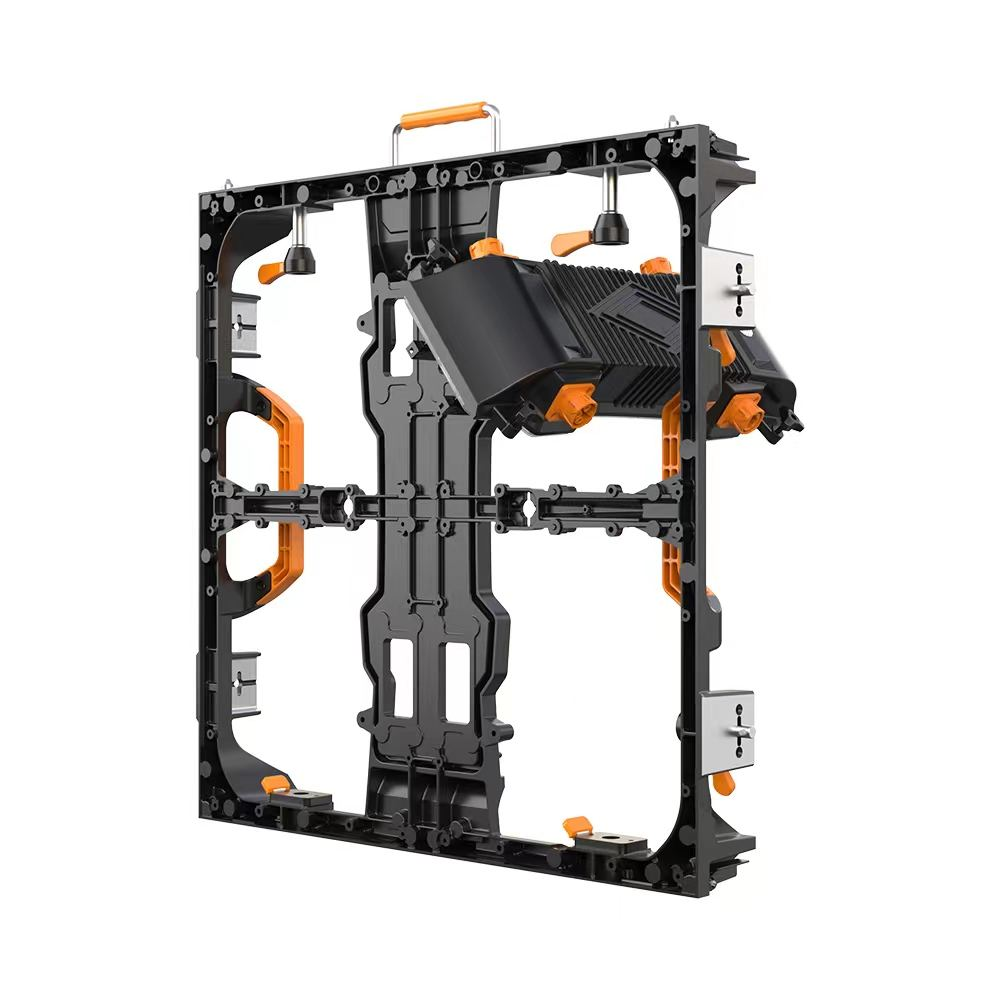
Stage LED Screen Rental: Professional Solutions for High-Impact Events and Performances
In the rapidly evolving event production industry, stage LED screen rental has become a cornerstone for delivering visually captivating and immersive experiences. Whether it’s a concert, corporate event, trade show, or theatrical performance, renting a high-quality stage LED display enables event organizers to combine flexibility, modern technology, and cost-efficiency without sacrificing the dynamic content delivery that audiences expect today.
Introduction
Stage LED screens have revolutionized the way visual information is presented on stage. As a result, the demand for stage LED screen rental services has markedly increased worldwide. These LED screens, with their superior brightness, resolution, and modular design, can transform any event space into an immersive environment. Renting these systems provides access to the latest display technologies without the significant capital expenditure of purchasing them outright.
This article explores the comprehensive aspects of stage LED screen rental, detailing practical applications, the technical advantages of LED technology, common challenges encountered during rentals, and the latest industry trends. Emphasizing authoritative data and industry standards, this guide aims to inform event professionals, production companies, and technical managers on making informed decisions when selecting stage LED screen rental services.
Understanding Stage LED Screen Technology
What Are LED Screens?
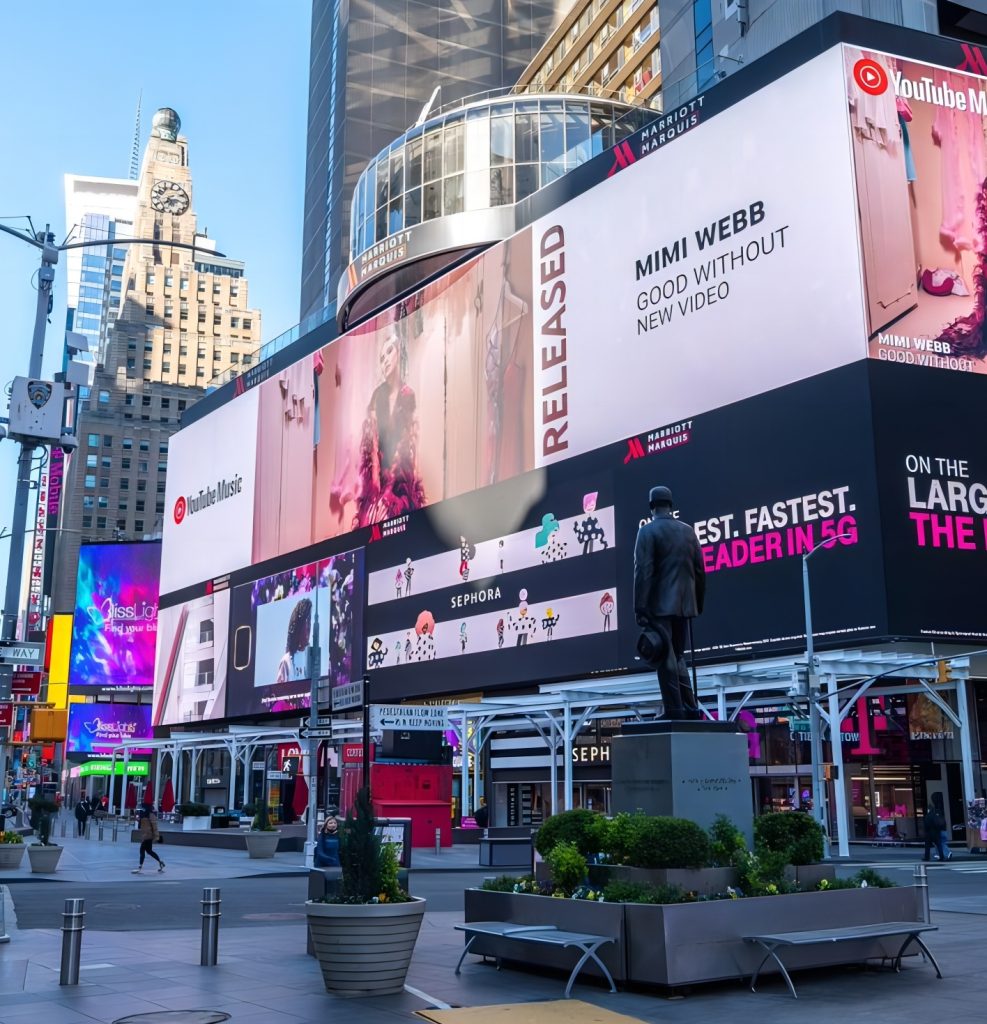
Light Emitting Diode (LED) screens are digital displays composed of millions of tiny LEDs arranged in a grid format to create images and videos. Unlike traditional LCD or projection systems, LEDs are self-illuminating, allowing them to achieve extremely high brightness levels essential for clear visibility in various lighting conditions. This feature is particularly critical for stage applications, where environmental lighting often fluctuates.
Pixel Pitch and Resolution
One of the primary technical parameters for LED displays is pixel pitch, which refers to the distance between the centers of two adjacent LED pixels, typically measured in millimeters (e.g., P2.5 means 2.5mm). The smaller the pixel pitch, the higher the image resolution and closer the optimal viewing distance. For stage LED screens, pixel pitch typically ranges from 1.5mm to 4mm, balancing cost against image quality and viewing distance.
Brightness and Sunlight Readability
Stage LED screens are often utilized indoors but can be set up semi-outdoors or under high-intensity lighting rigs that simulate daylight conditions. Modern LED modules can achieve brightness levels exceeding 1,500 to 6,000 nits, significantly outperforming conventional projection and LCD display technologies. This high brightness capacity ensures crystal-clear image reproduction, even when ambient lighting conditions are challenging.
Modularity and Scalability
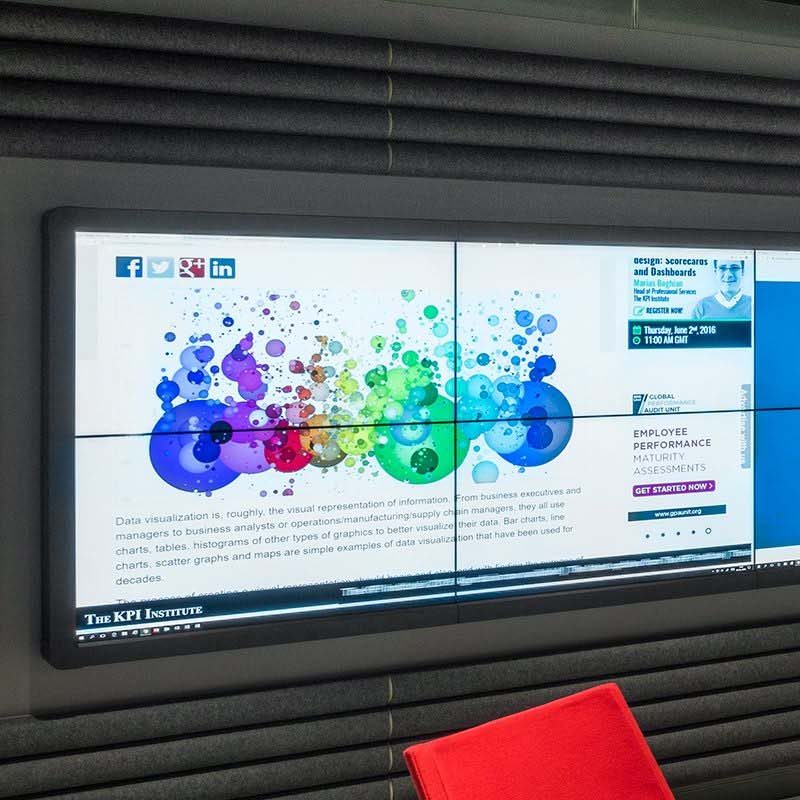
LED screens are inherently modular. They consist of individual panels that can be seamlessly joined to create almost any desired shape or size. This scalability means rental solutions can be precisely tailored to the event’s physical space and production requirements, offering unmatched flexibility compared with fixed displays or projection systems.
Practical Applications of Stage LED Screen Rental
Concerts and Music Festivals
Music events rely heavily on visual impact to engage audiences. Stage LED screens deliver real-time video feeds, dynamic backgrounds, and special visual effects synchronized with performance dynamics. The ability to rent LED screens allows promoters and production companies to adapt screen sizes and resolutions per venue and event scale, optimizing audience experience and production costs.
Corporate Events and Conferences
For corporate gatherings, flexible stage LED rentals facilitate the display of branding, presentations, live streams, and interactive content. The high definition and vivid colors enhance communication effectiveness, making technical information engaging and accessible even to large audiences.
Theatre and Performing Arts
Modern theater productions increasingly incorporate LED walls to provide seamless scenery changes, immersive backdrops, and creative lighting effects. Rental stage LED screens support experimental set designs without the commitment and storage concerns associated with purchased equipment.
Trade Shows and Exhibitions
Trade exhibitors use stage LED screens to showcase product demos, advertisements, and interactive experiences. Rental offers the flexibility to configure the display footprint according to booth size and design, enabling exhibitors to maximize visual impact and draw more visitors.
Advantages of Renting Stage LED Screens
Cost Efficiency and Flexibility
Purchasing LED screens involves substantial upfront investment and maintenance costs. Renting eliminates capital expenditure, enabling event organizers to allocate budgets more efficiently. Furthermore, rental services often include technical support, installation, and maintenance, reducing operational burden.
Access to the Latest Technology
The LED display industry continuously innovates with improvements in pixel pitch, brightness, refresh rates, and energy efficiency. Rental providers update their inventory regularly, granting users access to state-of-the-art equipment without obsolescence concerns.
Customized Solutions and Modular Design
From curved configurations to multi-layered setups, rental LED screens offer adaptable configurations tailored to specific event needs. This flexibility facilitates creative stage designs and ensures seamless integration with event themes.
Fast Deployment and Reliability
Experienced rental companies leverage industry best practices and established protocols to guarantee rapid installation, calibration, and teardown. Equipment is tested and maintained to minimize failures, ensuring reliable performance throughout the event.
Common Challenges and Solutions in Stage LED Screen Rental
Logistical Complexities
Transporting large LED panels and associated equipment to various venues can be operationally complex. Partnering with specialized rental companies with logistics expertise helps mitigate risks related to damage or delays.
Technical Compatibility and Integration
Integrating LED screens with audio systems, lighting rigs, and control software demands precise coordination. Rental providers often include technical teams proficient in multiple systems ensuring smooth synchronization.
Environmental Considerations
Outdoor or semi-outdoor stage setups require LED displays with adequate IP rating against dust and moisture. Selecting panels with at least IP65 ingress protection and proper weatherproofing options is crucial to prevent technical failures.
Power Requirements and Heat Management
High-brightness LED screens consume significant power and generate heat. Rental providers design setups with appropriate power distribution solutions and ventilation systems to maintain optimal operating conditions, preventing performance degradation.
Latest Trends in Stage LED Screen Rental
Mini and Micro LED Technologies
The rise of Mini and Micro LED technologies has enabled even finer pixel pitches (<1.5mm), leading to retina-quality image reproduction at close viewing distances. Rental inventories increasingly include these ultra-high-resolution options for premium events demanding unmatched visual fidelity.
Curved and Flexible LED Displays
Innovations in LED panel engineering have introduced flexible and curved panels, expanding creative possibilities. These can wrap around stage elements, creating immersive environments and kinetic displays, enhancing audience engagement.
360-Degree LED Screen Configurations
Some events now utilize LED screens arranged in 360-degree configurations around performers, creating truly immersive experiences. Rental companies offer modular systems designed specifically for such multi-angle presentations.
Integration with Augmented Reality (AR) and AI Enhancements
Emerging trends include combining LED screens with AR technologies and AI-driven content management systems to provide interactive and personalized experiences. Rentals increasingly feature platforms compatible with these technologies, allowing event producers to push creative boundaries.
Industry Standards and Quality Assurance
Leading rental providers follow international standards such as the International Electrotechnical Commission (IEC) and Institute of Electrical and Electronics Engineers (IEEE) guidelines to ensure electrical safety, signal integrity, and environmental compliance. Certification standards like CE (Europe), FCC (USA), and RoHS underline equipment safety, electromagnetic compatibility, and environmental impact, which are crucial when renting LED screens for professional use.
Furthermore, rental companies emphasize compliance with operational standards such as the Digital Cinema Initiatives (DCI) for color accuracy and refresh rate to maintain consistent image quality across different events and venues.
Conclusion
Stage LED screen rental is an indispensable service catering to the dynamic needs of modern event production. It empowers organizers and creative directors with versatile, high-brightness, and flexible display solutions that elevate audience engagement and visual storytelling. By leveraging industry-leading technologies, adhering to rigorous standards, and providing expert support, rental providers enable flawless execution of live events ranging from intimate corporate meetings to massive open-air concerts.
When selecting a stage LED screen rental partner, prioritize companies that demonstrate technical expertise, comprehensive service offerings, and a commitment to the latest innovations. This strategic decision ensures that your event benefits from superior image quality, operational reliability, and impactful visual experiences that resonate with your audience.
As LED technology continues to evolve, staying informed about new trends and solutions is critical for event professionals. Integrating advanced LED screens through rental paves the way for creative expression while managing costs effectively, making stage LED screen rentals a preferred choice for high-profile events worldwide.
References and Further Reading
- Wikipedia contributors. “Light-emitting diode display.” Wikipedia, The Free Encyclopedia. https://en.wikipedia.org/wiki/Light-emitting_diode_display
- International Electrotechnical Commission (IEC). IEC 62087 – Methods of measurement for the audio, video and audiovisual systems. https://www.iec.ch/
- AVIXA – The Audiovisual and Integrated Experience Association. “LED Video Display Fundamentals.” https://www.avixa.org/
- TechRadar. “Best LED Displays for Events and Stages in 2024.” https://www.techradar.com/
- SMPTE (Society of Motion Picture and Television Engineers). Standards for Display Quality and Colorimetry. https://www.smpte.org/