Taxi Top Displays: The Future of Urban Advertising and Communication
In the rapidly evolving landscape of urban advertising and digital communication, taxi top displays have emerged as a dynamic and highly effective medium for engaging diverse audiences. Leveraging advanced LED technology, these displays offer unparalleled visibility, adaptability, and connectivity, making them an indispensable tool for businesses and city planners alike. This article provides an authoritative, in-depth examination of taxi top displays, covering their technology, practical applications, advantages, common challenges, and emerging trends shaping the future of outdoor advertising.
Introduction to Taxi Top Displays
Taxi top displays are digital advertising screens mounted atop taxis, designed to broadcast dynamic content to pedestrians, drivers, and passengers in urban environments. Beyond static signs, modern taxi top displays utilize high-brightness LED panels engineered specifically to be sunlight-readable, ensuring vivid and clear visuals even under intense daylight conditions. The integration of real-time content management systems and connectivity solutions allows for responsive, location-based advertising and public information dissemination.
The taxi top display market has gained traction globally owing to its mobile nature, enabling campaigns to reach highly targeted demographic groups across diverse city zones. According to industry reports (Grand View Research, 2023), mobile outdoor digital advertising, including taxi top displays, is projected to grow at a compound annual growth rate (CAGR) of approximately 8% over the next five years, fueled by advancements in display technology and network infrastructure.
Technical Overview: High-Brightness Sunlight-Readable LED Technology
At the core of taxi top displays is high-brightness LED (Light Emitting Diode) technology, designed to combat the challenges posed by direct sunlight and harsh outdoor conditions. Typical panel brightness levels range from 4,500 to 7,000 nits, substantially higher than indoor displays (usually around 800-1,200 nits), enabling excellent readability even on bright afternoons (International Electrotechnical Commission IEC standards).
These displays use SMD (Surface Mount Device) LEDs due to their small size, high luminous efficiency, and wide viewing angles. Additionally, advanced calibration algorithms ensure uniform brightness and color consistency across the display surface, critical for maintaining brand image and message clarity.
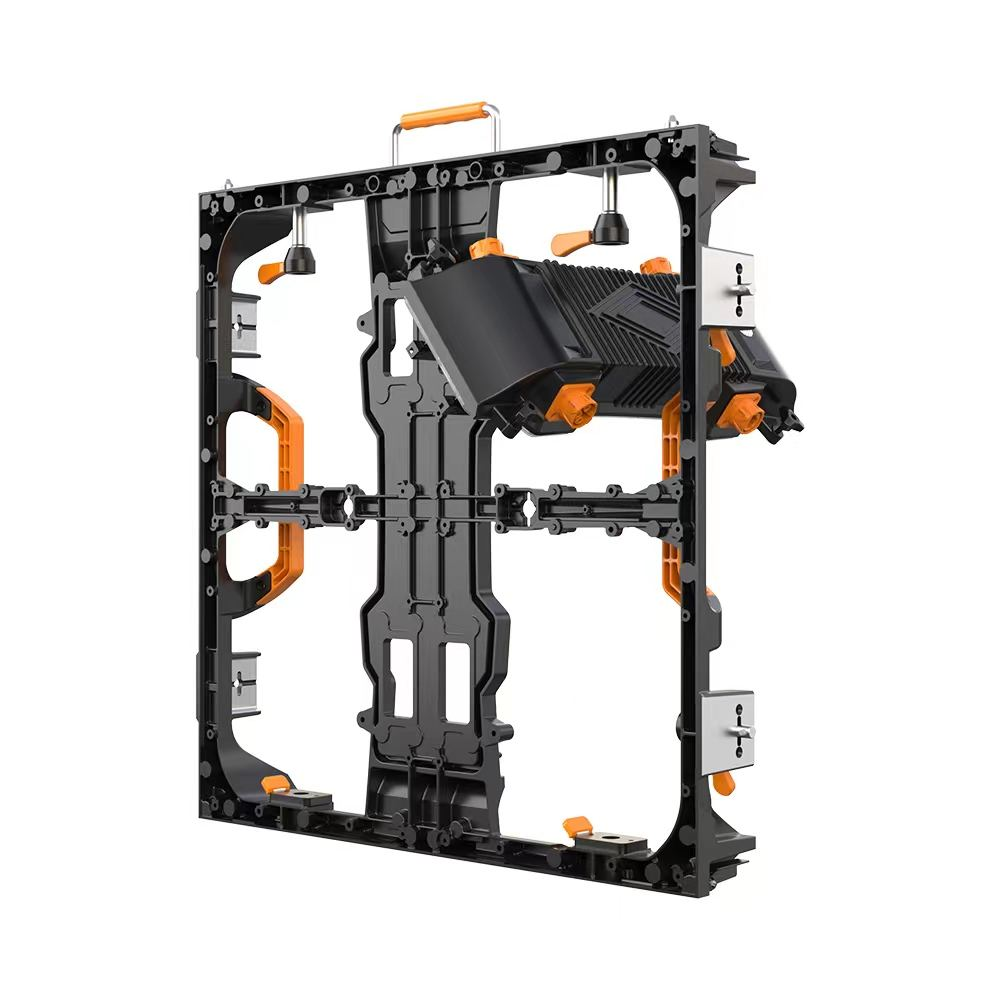
Robust mechanical design factors heavily into taxi top display construction. The enclosures must be weatherproof (IP65 or higher rated), vibration-resistant due to vehicular motion, and lightweight to avoid excessive drag or impact on the taxi’s fuel efficiency. Thermal management systems, such as passive heat sinks or forced-air cooling, maintain optimal operating temperatures, preventing LED degradation and extending lifespan.
Practical Applications of Taxi Top Displays
- Dynamic Advertising: Advertisers capitalize on the mobility of taxi top displays to deliver geo-targeted promotions, event announcements, or brand campaigns adapted contextually based on neighborhood demographics and times of day.
- Real-Time Information: Beyond advertising, displays can show real-time traffic updates, weather alerts, public safety messages, or emergency announcements coordinated with municipal authorities.
- Interactive and Programmatic Content: Integration with GPS and IoT platforms allows for programmatic ad buying—content changes automatically depending on the vehicle’s location, time, or passenger profile, maximizing relevance.
- Tourism and Cultural Promotion: Cities use taxi top displays to promote tourist attractions, local events, and cultural heritage in multiple languages, enhancing visitor experience.
Advantages of Taxi Top Displays
When compared to traditional static taxi signs and other out-of-home (OOH) media, taxi top LED displays offer several compelling advantages:
- High Visibility and Brightness: Sunlight-readable LEDs ensure messaging stands out even in bright daylight, improving engagement and recall rates.
- Content Flexibility: Digital technology allows real-time content updates without physical replacements, reducing operational costs and increasing campaign agility.
- Wider Audience Reach: Mobility allows messages to traverse different urban zones, reaching diverse socio-economic groups and maximizing exposure.
- Data-Driven Targeting: GPS and data analytics enable highly targeted advertising, increasing return on investment (ROI) for advertisers.
- Eco-Friendly Options: Modern LED designs consume significantly less power than incandescent or fluorescent advertising signage. Some models integrate solar panels or energy-efficient components, reducing environmental footprint.
Common Challenges and Solutions in Taxi Top Displays
Despite their advantages, taxi top displays face several challenges that manufacturers and operators must address:
1. Environmental Exposure and Durability
Constant exposure to weather, dust, and vibration can impact display longevity. Solutions include using IP67-rated casings, shock-absorbing mounts, and corrosion-resistant materials.
2. Power Supply and Energy Management
Maintaining consistent power for LED displays on vehicles poses constraints. Most systems integrate rechargeable battery packs or leverage the vehicle’s electrical system with smart power management to minimize drain.
3. Legal and Regulatory Compliance
Various jurisdictions impose restrictions on mobile advertising displays concerning brightness, animation, and size to prevent driver distraction. Compliance is ensured through brightness tuning, dimming sensors, and content guidelines aligned with local transportation regulations.
4. Content Management and Connectivity
Real-time content updating requires robust wireless networks, often leveraging 4G/5G or Wi-Fi. Secure content management platforms and fail-safe protocols maintain content integrity and display performance, even in low connectivity scenarios.
Emerging Trends and Innovations
Integration with Artificial Intelligence and Big Data
AI-driven analytics enable smarter content delivery on taxi top displays by learning traffic patterns, audience engagement metrics, and optimal advertising times. Such insights lead to hyper-personalized advertisements, increasing effectiveness.
The Advent of Interactive Displays
Touch-enabled and sensor-driven taxi top displays are in experimentation stages, offering interactive public services, IoT integration, or passenger engagement features, such as QR code scanning for promotional offers.
Enhanced Sustainability Initiatives
Green technology adaptation is rising, including solar-powered taxi displays and energy harvesting methods, ultimately aiming to make taxi top advertising carbon-neutral.
Augmented Reality (AR) and Mixed Media Content
Some innovative campaigns pair taxi top content with AR apps, where users can interact with the digital content via smartphones, blending physical and digital advertising realms.
Case Studies Demonstrating Taxi Top Display Effectiveness
Case Study 1: New York City – Real-Time Traffic and Advertising Integration
One of the largest metropolitan areas utilizing taxi top displays, NYC has integrated data feeds from its traffic management systems to display relevant alerts combined with advertising, creating a dual-purpose communication channel. Post-deployment studies by the City’s Department of Transportation indicated a 15% improvement in public awareness of traffic conditions and a 20% increase in advertisement engagement rates.
Case Study 2: London – Campaign Mobility and Localization
In London, a leading advertising agency implemented a campaign using GPS-driven content switching, tailoring messages according to boroughs and socioeconomic criteria. This approach resulted in a 35% uplift in conversion rates compared to static billboard ads.
Conclusion
Taxi top displays represent a convergence of cutting-edge LED display technology, data analytics, and urban communication strategies. With their vibrant visibility and flexible content capabilities, they are redefining how brands connect with consumers amidst bustling city environments. Addressing operational challenges through robust engineering and regulatory alignment enhances their reliability and acceptance as a trusted advertising platform.
Looking ahead, continued innovation in AI, interactivity, and sustainable design will further empower taxi top displays to become a cornerstone of smart city digital infrastructure and mobile marketing strategies worldwide.
References:
- Grand View Research, “Digital Out of Home Advertising Market Size & Trends Analysis Report”, 2023
- International Electrotechnical Commission (IEC) Standards for Outdoor LED Displays
- Wikipedia contributors, “LED display”, Wikipedia, The Free Encyclopedia, https://en.wikipedia.org/wiki/LED_display
- Outdoor Advertising Association of America (OAAA), “Advancements in Mobile Digital Advertising”, 2023
- Smith, J., “Sunlight Readable LED Displays: Design and Applications”, Journal of Display Technology, 2022