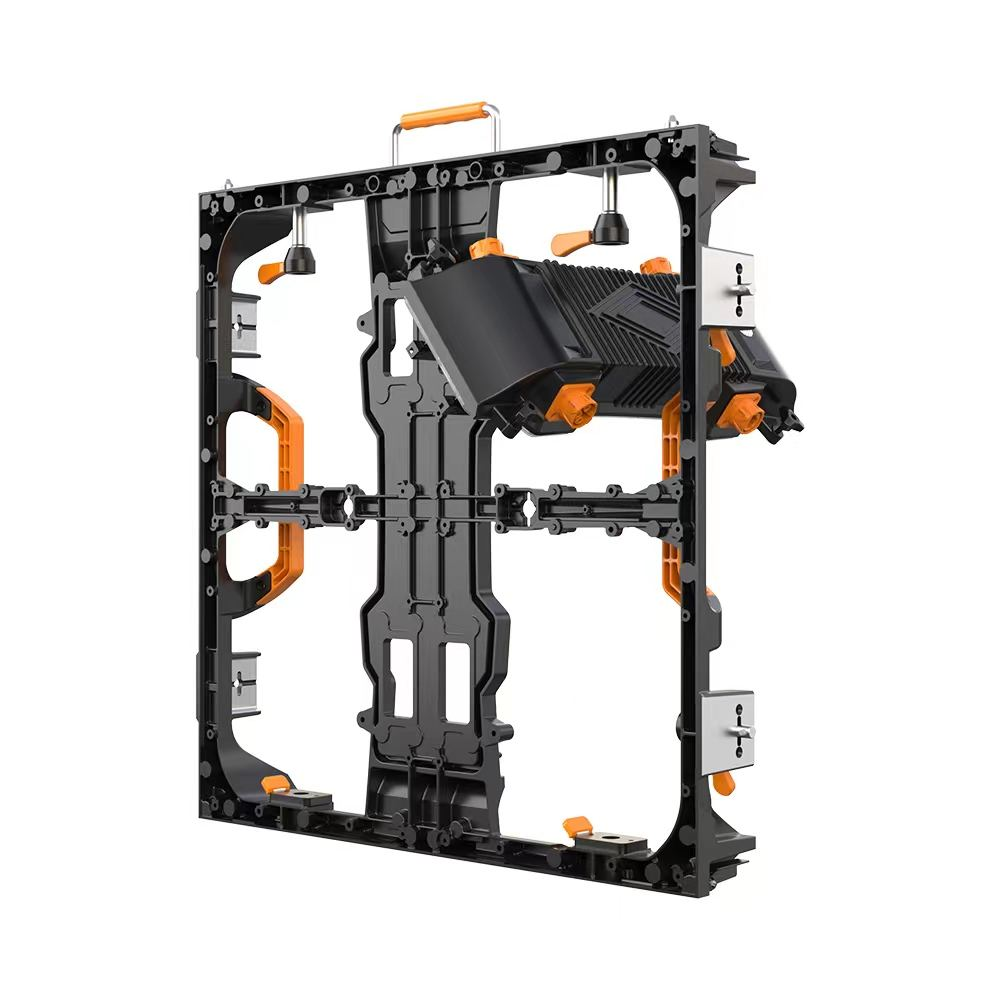
The Evolution and Impact of Conference LED Screens: Enhancing Professional Visual Communication
In today’s fast-paced corporate and event environments, effective visual communication stands as a cornerstone of success. One technology that has transformed the way information is presented in meetings, conferences, and seminars is the conference LED screen. These high-performance display solutions have revolutionized traditional presentation methods by offering superior brightness, clarity, and flexibility tailored to diverse professional settings.
Introduction: Understanding Conference LED Screens
Conference LED screens specifically refer to LED display panels designed and optimized for use in corporate conference rooms, seminar halls, and business events. Unlike general-purpose LED displays, conference LED screens prioritize high resolution, excellent color accuracy, and viewing angle stability to ensure that attendees receive clear, vibrant content delivery without distraction.
With the modern emphasis on hybrid communication—where in-person and remote participants connect simultaneously—the role of advanced display technologies like LED screens has become crucial. LED displays excel in visualization of presentations, videos, graphs, and live content feeds, which are integral to successful conferences.
Main Body
1. Technical Foundations and Advantages of Conference LED Screens
LED technology uses light-emitting diodes as pixels to form images and videos. Conference LED screens employ fine-pitch LED modules, typically ranging from 0.9mm to 2.5mm pixel pitch, to achieve ultra-high-definition imagery suitable for close viewing distances common in conference settings.
Brightness and Visibility: One hallmark of LED technology is its high luminance levels, often ranging between 800 and 1500 nits for indoor conference displays. This brightness ensures that content remains clearly visible even in well-lit rooms, outstripping traditional LCD and projection screens which struggle under ambient light.
Color Accuracy and Consistency: Conference LED screens provide wide color gamuts—commonly covering >95% of the DCI-P3 color spectrum—and 10-bit or greater color depth. This accuracy is vital when presenting detailed charts, product visuals, or branding elements where fidelity matters.
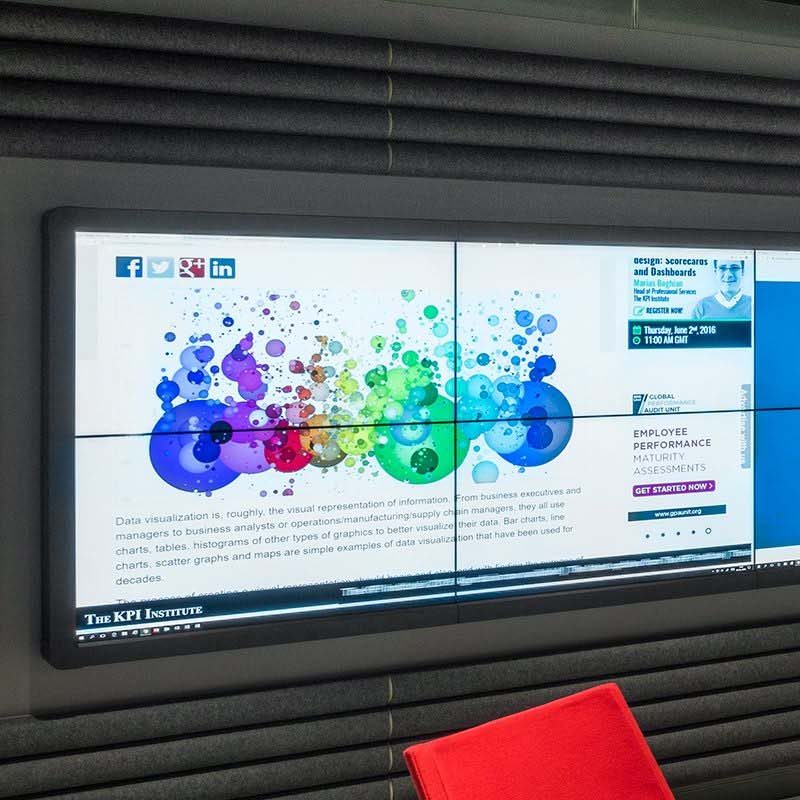
Seamlessness and Scalability: Modular design enables seamless video walls and large-format configurations without visible bezels, creating immersive viewing experiences. Additionally, scalability makes LED screens adaptable to rooms of varying sizes and audience capacity.
Reliability and Longevity: Built for continuous use, commercial-grade LED panels undergo rigorous testing conforming to standards such as IEC 62368 for safety and IEC 60068 for environmental resilience. Their extensive lifespan—up to 100,000 hours of operation—significantly reduces maintenance downtime.
2. Practical Applications in Conferences and Corporate Events
Conference LED screens are pivotal across various professional scenarios including:
- Executive meetings and boardrooms: Deliver real-time data visualization and video conferencing integration with crystal-clear display quality.
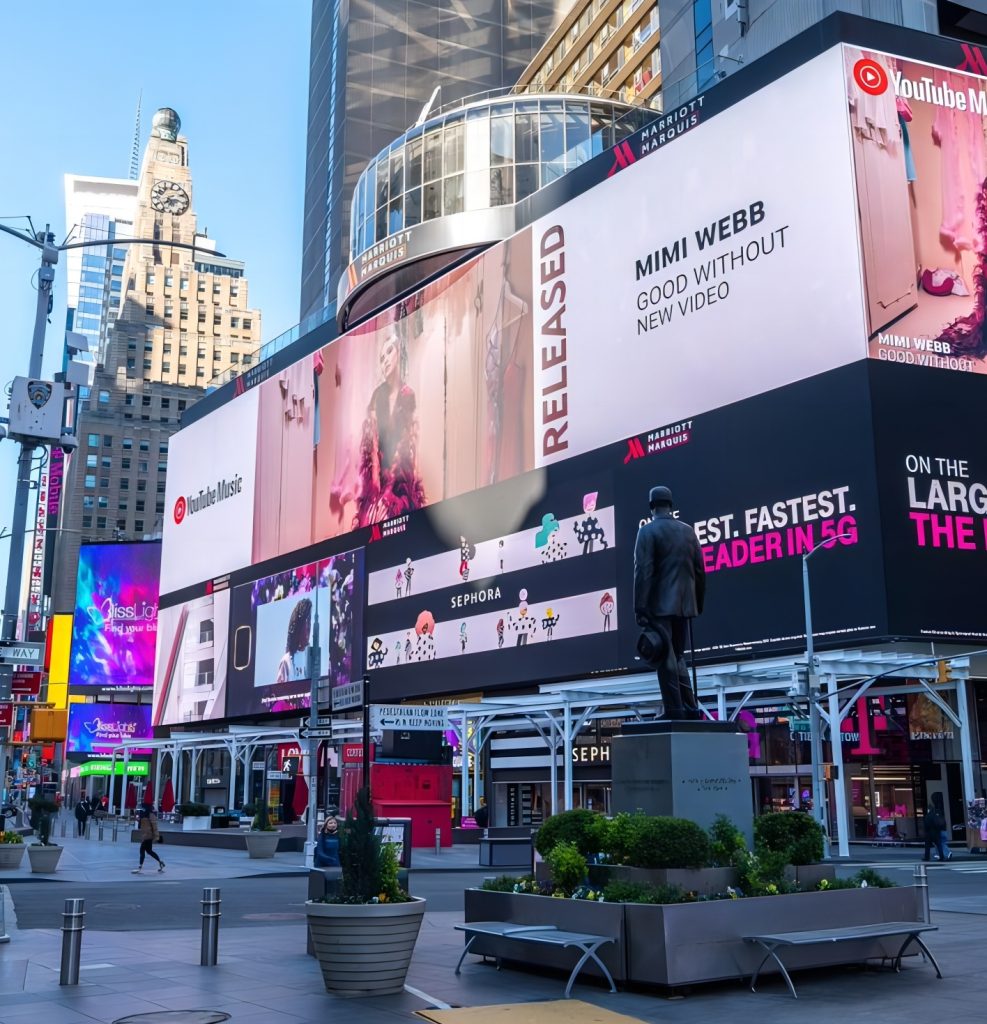
- Large-scale seminars and trade shows: Facilitate live streaming, multi-content displays, and dynamic branding environments that attract and engage attendees.
- Hybrid events: Support simultaneous in-person and virtual participation by providing seamless live content feeds and interactive presentations.
- Training sessions and workshops: Enhance learning experiences with immersive graphics and easy readability for all participants.
Case studies across Fortune 500 companies highlight the integration of conference LED screens leading to improved collaboration, faster decision-making, and heightened attendee engagement. For example, a Bloomberg Terminal installation replaced traditional monitors with high-resolution LED walls, significantly improving trader awareness and reaction times.
3. Addressing Common Challenges and Troubleshooting Tips
Despite their many benefits, conference LED screens face several common issues that professionals must be aware of:
- Calibration and Color Uniformity: Over time, slight discrepancies in LED module brightness and color output can degrade image quality. Routine calibration using colorimeters and software solutions like CalMAN ensure sustained uniformity.
- Heat Management: Continuous operation generates heat which may impact longevity. Integrated cooling systems and heat sinks, combined with proper room ventilation, mitigate this risk.
- Content Compatibility: Optimizing content for LED screens requires careful consideration of resolution, aspect ratios, and file formats. Using professional media servers with HDCP compliance and 4K capabilities resolves many playback issues.
- Installation and Maintenance Costs: While initial investment can be considerable, adopting LED panels certified for ease of maintenance and modular replacements reduces long-term operational expenses.
4. The Latest Trends and Innovations in Conference LED Screen Technology
Industry innovation continues to accelerate, introducing evolving capabilities that enhance conference LED screen performance:
- Micro-LED and Mini-LED Technologies: Improvements in micro-LED offer pixel pitches below 0.5mm, achieving near-retina display quality for close viewing and expanding applications in smaller, luxury conference spaces.
- Interactive LED Displays: Touch-enabled LED screens enable real-time user interaction, annotation, and collaborative workflows directly on the display surface.
- AI-Driven Calibration and Content Optimization: Artificial intelligence tools now facilitate automated adjustment of brightness, contrast, and color balance based on ambient lighting and viewer positioning.
- Energy Efficiency and Sustainability: New LED panel designs focus on reduced power consumption and environmentally friendly materials, responding to corporate sustainability goals.
- Wireless and Networked Systems: Enhanced connectivity protocols, including Wi-Fi 6 and 5G, allow for simplified content delivery and remote management, crucial for global conferences and multi-site deployments.
These advancements accelerate the adoption of LED-based conference displays as indispensable tools for modern business communication.
Conclusion
The ascent of conference LED screens marks a paradigm shift in how professional meetings and events engage their audiences. Their exceptional visual performance, adaptability, and reliability supersede traditional display technologies, aligning perfectly with the dynamic and connectivity-driven demands of today’s corporate landscape.
As organizations continue prioritizing clarity, collaboration, and inclusivity in communication, investing in cutting-edge conference LED screen solutions is not just a technological upgrade but a strategic imperative. Industry standards by organizations such as the International Electrotechnical Commission (IEC) and rigorous quality testing ensure these displays perform consistently and safely, reinforcing corporate trust in the technology.
For stakeholders seeking to elevate their conference environments, understanding the technical nuances, practical applications, and future trends of LED display systems is vital. Doing so will unlock richer engagement, more effective communication, and a competitive edge in the global marketplace.
References
- International Electrotechnical Commission (IEC) Standards: https://www.iec.ch/
- Wikipedia – LED Display Technology: https://en.wikipedia.org/wiki/LED_display
- AVIXA (Audiovisual and Integrated Experience Association): https://www.avixa.org/
- Case Study: Bloomberg’s LED Video Wall for Trading Desks, AV Magazine, 2022
- Display Supply Chain Consultants (DSCC) Reports on Micro-LED Trends, 2023
By integrating the best practices highlighted above, organizations can adopt conference LED screens that not only meet, but exceed, the demanding requirements of modern professional communication.