The LED Screen Cube: A Comprehensive Guide to Technology, Applications, and Innovations
In an era dominated by digital transformation and immersive visual experiences, LED screen cubes have emerged as groundbreaking installations that combine technology, creativity, and engineering mastery. These multi-faceted, three-dimensional LED displays provide a visually engaging platform that extends virtually any form of content beyond traditional flat screens, enabling 360-degree viewing from multiple angles. The LED screen cube is not just a display; it is an emblem of innovation within the LED signage and digital display industry.
Introduction to LED Screen Cubes
An LED screen cube is a volumetric digital display typically constructed by assembling several LED panels into a cubic structure. Unlike conventional flat LED video walls, the cube format allows for content to be shown on all exterior faces, and sometimes on screens inside the cube, rendering an immersive multi-angle visual experience. This setup expands both aesthetics and functional aspects, making LED cubes highly desirable for exhibitions, retail, architectural decor, public art, and brand activations.
Derived from principles in digital signage and LED display engineering, the LED cube leverages industry-grade high-brightness LED modules to maintain daylight visibility, enhancing readability even in direct sunlight. These cubes are fully programmable, can showcase dynamic video, animations, real-time data, and interactive content, and are often networked for remote control and content management.
The Technology Behind LED Screen Cubes
LED Modules and Pixel Pitch
At the core of any LED screen cube is the LED module, which is composed of thousands of microscopic light-emitting diodes arranged at precise intervals known as pixel pitch. Pixel pitch, measured in millimeters, defines the distance between the centers of adjacent LEDs and strongly influences the display’s resolution, color quality, and viewing distance. LED cubes typically utilize pixel pitches ranging from 2mm (fine pitch) for close-up viewing to up to 10mm or more for larger-scale installations where viewers are situated further away.
High-brightness SMD (Surface Mount Device) LEDs are generally chosen for these cubes to ensure excellent performance in outdoor or brightly-lit environments. Modules are designed for high refresh rates (above 1920Hz) to eliminate flicker, an important feature for capturing high-quality video recordings and broadcasts showcasing the cube.
Structural Design and Assembly
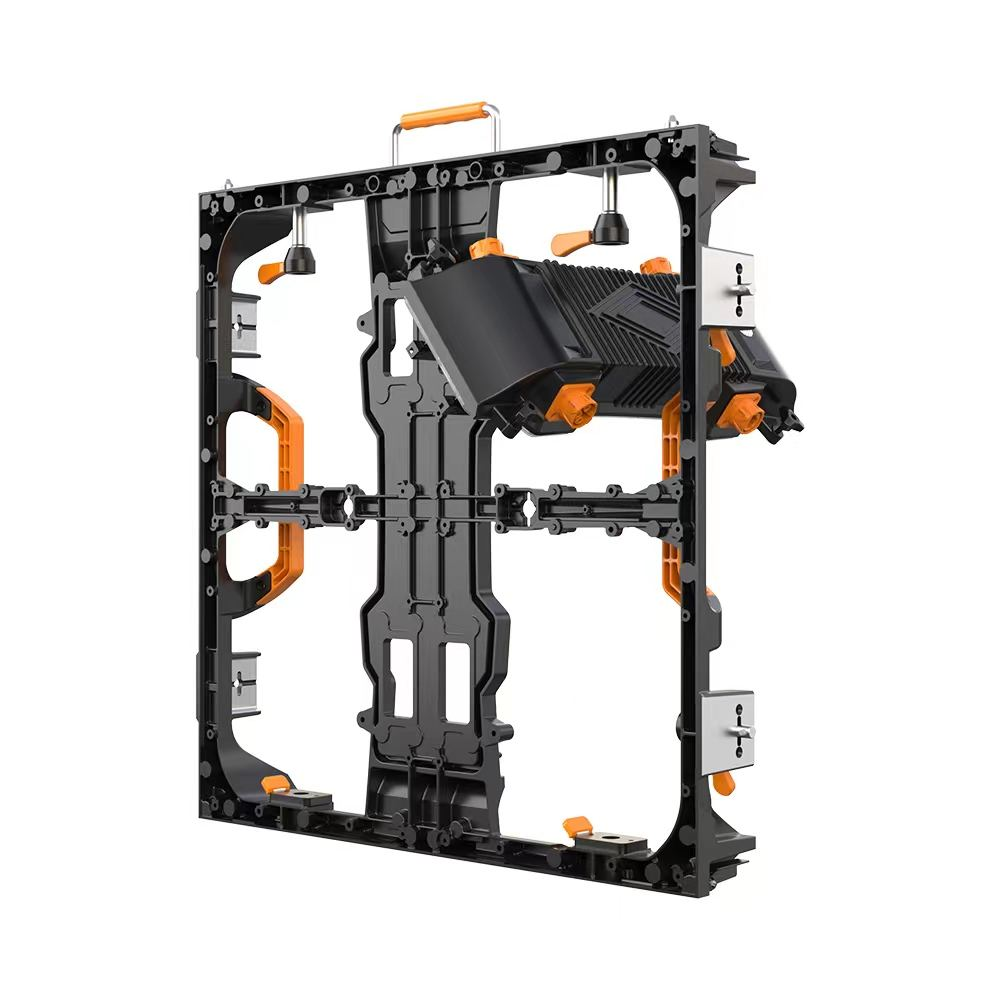
The assembly of an LED cube requires meticulous mechanical engineering to ensure rigidity, thermal management, and seamless alignment of LED panels for a continuous image across edges and corners. The frame is typically fabricated from lightweight yet strong materials such as aluminum alloy, which provides structural integrity without excessive weight.
Panel-to-panel connections involve precision locking systems combined with modular cabling harnesses to permit quick installation and maintenance. For cubes intended for outdoor use, the LED panels are sealed with IP65 or higher-rated protection against dust and water.
Control Systems and Software
LED cubes employ sophisticated control systems for content playback and synchronization. These systems connect LED panels using high-speed data transmission protocols like Gigabit Ethernet or specialized serial data lines, supported by real-time video processing hardware often powered by FPGA or dedicated controllers.
Software platforms behind these cubes allow content designers to map videos or animations seamlessly across multiple surfaces, with 3D rendering capabilities translating source material into a spatially coherent display. Many manufacturers adopt proprietary or third-party video processing tools equipped with multi-display synchronization and edge blending options, essential for maintaining image uniformity on intersecting panels.
Practical Applications of LED Screen Cubes
The LED screen cube’s versatility enables its deployment across diverse industries and contexts. Below are some of the core applications demonstrating the value proposition of LED cubes.
Advertising and Brand Activation
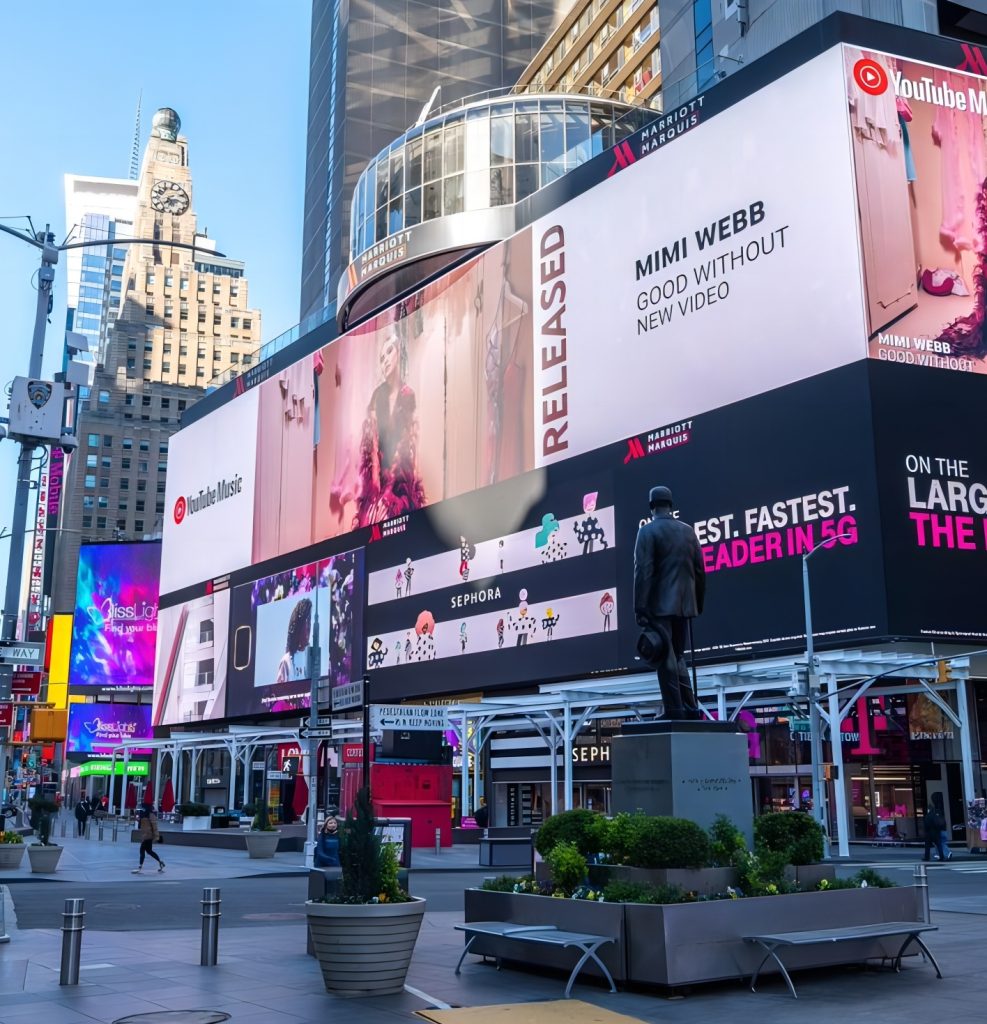
LED cubes serve as captivating focal points in retail plazas, trade shows, and event venues. Brands leverage these 3D canvases to display product launches, promotional videos, and live social feeds, creating an engaging and memorable user experience. Their multi-dimensional format encourages viewers to interact physically by walking around or under the cube, amplifying brand recall and consumer interaction.
Architectural and Public Art Installations
Artists and architectural firms increasingly integrate LED screen cubes into their creative designs to invigorate public spaces. Iconic installations offer dynamic color-changing effects and interactive capabilities such as motion sensors or augmented reality to inspire viewer participation and enhance urban aesthetics.
Broadcast and Event Production
In broadcast studios and live productions, LED cubes provide versatile backdrops, creating immersive virtual sets or complementing performances with synchronized visuals. Their 360-degree design supports multiple camera angles, enriching the viewer experience with unique perspectives seldom achieved by traditional flat panels.
Control Rooms and Data Visualization
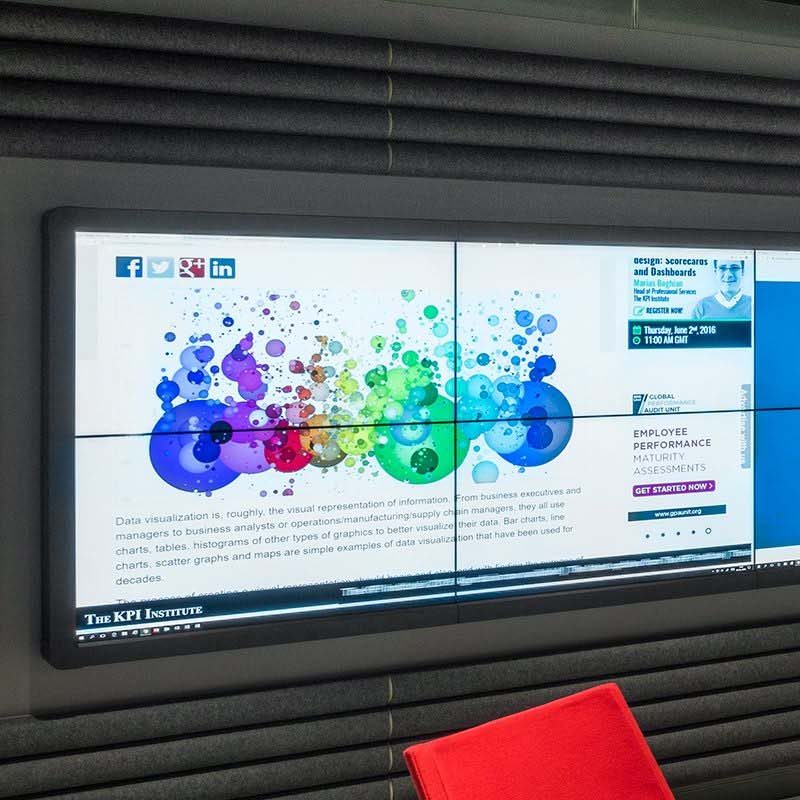
LED screen cubes are also invaluable in command centers and corporate boardrooms where real-time data monitoring benefits from multi-view visualization. The ability to display simultaneous data streams or wraparound dashboards enhances situational awareness and decision-making efficiency.
Advantages of LED Screen Cubes
- Immersive Viewing Experience: Unlike flat screens, LED cubes deliver content on multiple faces, enabling audience engagement from various angles.
- High Brightness & Sunlight Readability: Utilization of high-brightness LEDs (up to 6,000 nits or more) makes these cubes perfectly viable for outdoor luminous environments.
- Modularity and Scalability: LED cubes can be customized in size, pixel pitch, and shape, making them flexible for different spaces and applications.
- Robust Construction: Designed for durable use with weatherproofing, thermal regulation, and mechanical stability.
- Versatile Content Presentation: Supporting video, real-time feeds, and interactive content tailored for marketing, entertainment, or data visualization.
- Innovative Brand Differentiation: Their futuristic design and dynamic display capabilities create standout visual installations that drive engagement.
Challenges and Common Problems in LED Screen Cubes
Despite their benefits, LED screen cubes come with challenges that manufacturers and end-users must address:
Seamless Edge Blending and Pixel Mapping
The corners and edges where panels meet can present calibration and blending difficulties, as any misalignment or color inconsistency can disrupt the immersive experience. Advanced calibration tools and meticulous installation are required to achieve truly seamless visuals.
Heat Dissipation
LED panels generate heat during operation, particularly in enclosed cube configurations. Effective thermal management solutions, including heatsinks, active cooling fans, and ventilation slots, are crucial for maintaining performance and extending the lifespan of LEDs.
Complex Content Creation and Management
Producing content tailored to a cube’s unique multi-surface presentation demands specialized 3D graphic skills and dedicated software platforms. Additionally, managing synchronized playback across all panels requires robust control systems and reliable network infrastructures.
Cost and Maintenance
Due to their complexity and custom nature, LED cubes can entail higher capital investment and ongoing maintenance costs compared to typical flat displays. However, their long operational life and high visual impact often justify the expenditure.
Latest Trends and Innovations in LED Screen Cubes
MicroLED and MiniLED Integration
The industry is witnessing a shift towards MicroLED and MiniLED technologies, offering even higher pixel densities, improved color accuracy, and enhanced energy efficiency. These advancements are set to revolutionize cube displays, making them brighter, thinner, and more power-efficient.
Interactive and Immersive Capabilities
Incorporation of interactive technologies like touch sensors, gesture controls, and AI-driven content adaptation is gaining momentum. This trend heightens user engagement by allowing viewers to influence or customize the displayed content in real-time.
Integration with Augmented Reality (AR)
LED cubes are evolving into hybrid platforms that blend real-world 3D visuals with augmented layers, enriching events, retail environments, and educational installations with layered experiential dimensions.
Eco-Friendly and Energy-Efficient Designs
Manufacturers focus on sustainable production using recyclable materials, lower power consumption, and intelligent brightness controls aligned with ambient light to reduce the environmental footprint of LED cubes.
Case Studies: Successful LED Screen Cube Deployments
Case Study 1: Retail Brand Flagship Store
A leading global fashion retailer installed a 3x3x3 meter LED screen cube in their flagship store entrance. The cube displayed dynamic brand stories and product videos with ultra-high brightness content, attracting foot traffic and increasing social media shares by 35%. The modular design allowed quick content updates aligned with seasonal campaigns.
Case Study 2: Urban Public Art Installation
An urban municipality commissioned a large LED screen cube measuring 5 meters per side to act as a centerpiece in a public square. This interactive installation featured programmable light shows controlled via a mobile app, facilitating community engagement and turning the space into a vibrant cultural hub.
Case Study 3: Broadcast Studio Virtual Set
A broadcast company integrated a multi-surface LED cube within its news set design. This cube served as a real-time data visualization display, creating dynamic environments that changed according to breaking news events. The cube’s high refresh rates and anti-flicker performance ensured flawless camera shots and live-stream feeds.
Conclusion
LED screen cubes represent a pioneering fusion of LED technology, mechanical design, and digital content innovation. They offer unmatched immersive experiences by providing high-brightness, multi-angle visibility that traditional screens cannot replicate. While the engineering behind these cubes is complex, ongoing advancements in LED technology, control systems, and interactive capabilities continue to push the boundaries of what is possible.
For brands, creatives, and enterprises seeking to make a bold statement through digital signage or art, LED screen cubes provide a technology platform versatile enough to cater to versatile applications — from advertising and entertainment to architecture and data visualization.
As with any sophisticated display technology, success lies in carefully balancing design, installation, content strategy, and maintenance. But with thoughtful execution, LED cubes stand as an elegant, future-proof investment, capturing attention in the crowded digital landscape and driving engagement through immersive, impactful visual storytelling.
References and Further Reading
- Wikipedia: Light-emitting Diode Display
- AVIXA: The Audiovisual and Integrated Experience Association – Industry Standards & Resources
- LEDinside – Market Research and Industry News on LED Displays
- EDN Network: Technology Issues in LED Video Display Systems
- ResearchGate: Design and Implementation of A Flexible LED Cube Display
Note: Brightness values, IP rating standards, and technological capabilities mentioned are consistent with contemporary industry reports and manufacturer’s whitepapers as of 2024.