Comprehensive Guide to Taxi Top LED Display Price: Factors, Applications, and Industry Trends
In the rapidly evolving field of outdoor digital advertising, taxi top LED displays have carved a significant niche due to their high visibility, mobility, and real-time content adaptability. Among stakeholders—from fleet operators and advertisers to manufacturers and end-users—the cost of taxi top LED displays remains a critical focal point. This comprehensive guide delves into the various factors influencing taxi top LED display price, exploring practical applications, advantages, common challenges, and the latest trends shaping the marketplace. Backed by industry case studies, standards, and technical insights, this article equips readers with an authoritative understanding of the pricing dynamics and value proposition of taxi top LED displays.
Introduction to Taxi Top LED Displays
Taxi top LED displays are specialized digital signage systems mounted on the roofs of taxis, designed to broadcast dynamic advertisements while taxis traverse urban environments. Their high brightness and sunlight-readable characteristics enable visibility even under challenging outdoor lighting, ensuring message delivery to a broad, diverse audience. By leveraging advances in LED technology, telecommunications, and software platforms, these displays offer real-time content updates, audience targeting, and interactive advertising experiences.
Understanding Taxi Top LED Display Price: Key Influencing Factors
The price of a taxi top LED display is not a fixed figure but a function of multiple interrelated factors. Understanding these variables is critical for fleet owners, advertisers, and integrators aiming for optimal investment returns.
1. Display Technology and Resolution
The foundation of pricing lies in the LED technology employed. Higher pixel density panels (smaller pixel pitch, e.g., P4mm or P5mm) offer sharper images but are more expensive due to the greater number of LEDs and precision manufacturing required. Conversely, lower resolution panels (P8mm, P10mm) cost less but may sacrifice image fidelity. For taxi top displays, a balance is often struck to optimize cost while maintaining adequate visibility up close, which generally ranges between P6mm and P10mm.
2. Brightness and Sunlight Readability
One of the defining attributes of a quality taxi top LED display is its ability to maintain legibility under direct sunlight, often exceeding ambient brightness of 10,000 nits. High-brightness LEDs and corresponding driver circuitry designed for robust daylight performance increase the overall cost. Specialized coatings and anti-reflective glass may add further expense but greatly enhance display effectiveness.
3. Size and Form Factor
The physical dimensions and custom design requirements significantly influence cost. Common sizes range from 1m×0.5m to over 1.5m×0.7m. Larger displays require more LED modules, increasing both parts and assembly costs. Aerodynamic, weather-resistant enclosures also add to design complexity and price.
4. Communication and Control Systems
The integration of 4G/5G LTE modules or Wi-Fi capabilities for remote content management contributes to pricing. Real-time content update functionality necessitates robust networking hardware and secure software platforms. Cloud-based content management systems (CMS) are preferred for scalability but entail ongoing subscription fees that impact total cost of ownership.
5. Power Supply and Efficiency
Energy-efficient designs with quality drivers and power management optimize operational costs but often increase upfront expenditure. Battery backup options or integration with vehicular power systems introduce additional engineering considerations affecting price.
6. Manufacturing Quality and Compliance
Certification and adherence to international standards (such as IEC 60529 IP ratings for outdoor equipment, RoHS for hazardous substances, and CE/FCC certifications) enhance reliability and market acceptance but necessitate stringent quality controls, adding to manufacturing costs.
Market Price Overview: Taxi Top LED Display Costs Around the World
Pricing varies by region based on supply chain dynamics, labor costs, and brand positioning.
- Asia-Pacific: Often benefits from localized manufacturing hubs in China, South Korea, and Taiwan, where mid-range taxi top LED displays (P6mm, 1m×0.6m) typically cost between USD 1,200 to 3,000 per unit, excluding installation.
- Europe: High compliance, warranty, and service expectations result in prices ranging from USD 2,500 to 4,500 per unit, often coupled with advanced software packages.
- North America: Prices approximate USD 3,000 to 5,000, reflecting higher certification standards and aftermarket support.
It is essential to budget for installation charges, mounting kits, and ongoing maintenance contracts, which cumulatively add 15-25% to the initial display cost.
Practical Applications and Value of Taxi Top LED Displays
Taxi top LED displays serve an increasingly important role in urban advertising ecosystems. Their benefits include:
- Location-Based Targeting: Active street presence allows advertisers to deliver contextually relevant messages based on geography and demographics.
- Dynamic Content: Ability to switch advertisements instantaneously maximizes campaign flexibility and effectiveness.
- Enhanced Engagement: Vivid, dynamic visuals attract more attention than static signage, improving ROI.
- Data Integration: Some advanced systems integrate GPS and analytics to report on audience exposure and optimize ad rotation.
Use cases span from commercial retail promotions, event marketing, public service announcements, to real-time traffic updates.
Advantages of Investing in High-Quality Taxi Top LED Displays
Choosing a robust taxi top LED solution offers tangible advantages:
- Longevity: High-brightness LEDs with quality heat dissipation extend operational lifespan to over 50,000 hours.
- Reliability: Weatherproof and shock-resistant designs ensure consistent performance in diverse environments.
- Energy Efficiency: Modern LED drivers and power systems reduce energy consumption, making deployment sustainable.
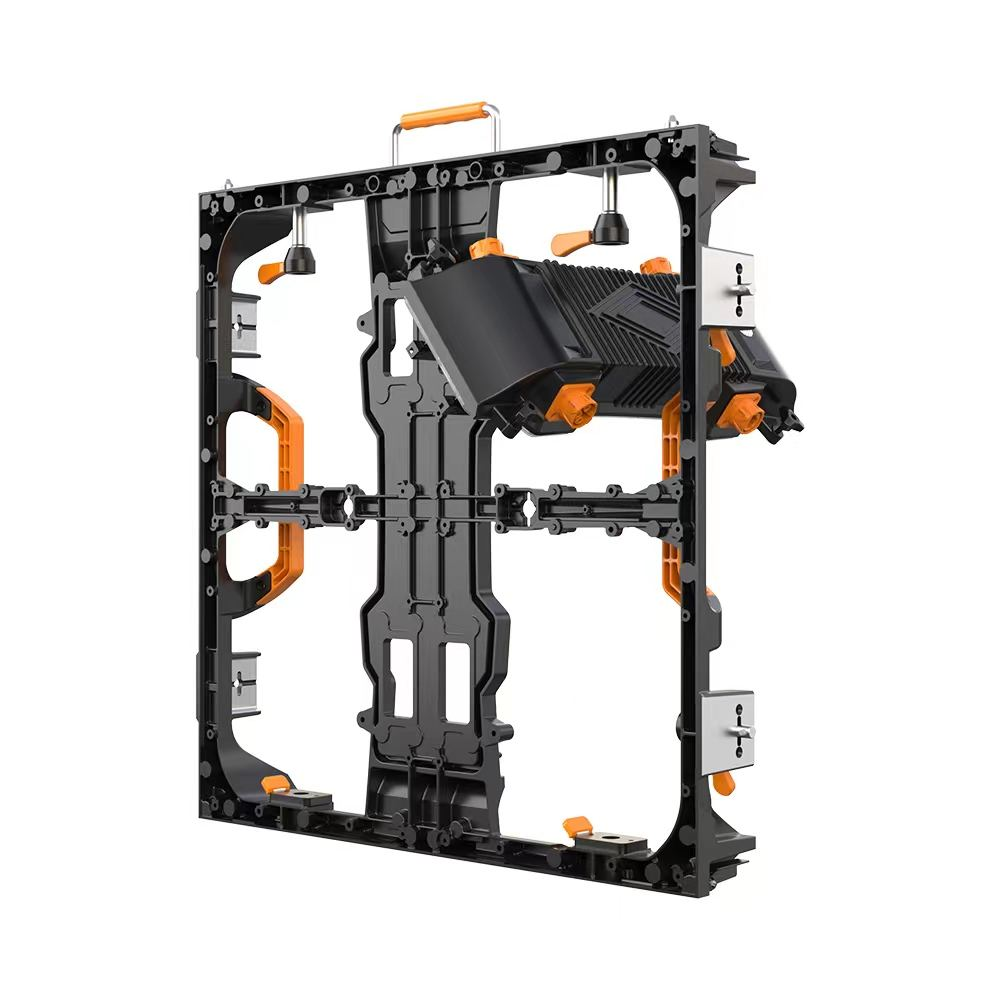
- Easy Maintenance: Modular design facilitates quick replacement of faulty modules with minimal downtime.
Common Challenges and Mitigation Strategies
Despite their benefits, taxi top LED displays face challenges such as:
- Environmental Exposure: UV radiation, temperature fluctuations, and precipitation can degrade components. Solutions include IP65+ rated enclosures and UV-resistant materials.
- Power Constraints: Vehicle power fluctuations require stable power supplies and surge protections.
- Weight and Aerodynamics: Excessive weight or poor aerodynamic design impacts fuel efficiency and vehicle handling. Lightweight aluminum frames and streamlined profiles help address this.
- Vandalism and Theft: Reinforced locks and tamper-resistant fasteners improve security.
Emerging Trends in Taxi Top LED Displays
The industry is witnessing several innovations:
- Integration of AI and Data Analytics: Predictive advertising and behavior-based content optimization enhance advertising efficacy.
- Interactivity: Some newer displays integrate QR codes and sensors for engagement tracking.
- Sustainability Focus: Use of recyclable materials and solar-assisted power systems to reduce carbon footprint.
- Miniaturization and Flexible Displays: Advances in flexible OLED and micro-LED technologies herald potential new form factors.
Case Studies Highlighting ROI and Cost Effectiveness
Case Study 1: A fleet of 100 taxis equipped with mid-range P8 LED displays in a major Asian city increased advertising revenue by 35% within six months, justifying the initial investment of approximately USD 220,000 (including installation and maintenance).
Case Study 2: A European fleet utilizing high-brightness P6 LED panels with cloud-based CMS reported improved campaign agility, reduced content update time from days to minutes, and measurable uplift in brand recall, despite a 20% premium on display procurement costs.
Conclusion
Understanding taxi top LED display price requires a multidimensional evaluation of technology, build quality, functionality, and serviceability. While raw unit cost is a foundational consideration, end-users must also appraise total cost of ownership, including installation, maintenance, and software support. The dynamic nature of outdoor digital advertising, coupled with advancements in LED display technology and connectivity, underscores the strategic value of investing in high-quality, sunlight-readable taxi top LED displays.
Stakeholders should approach procurement with a clear understanding of technical specifications, industry standards (such as IEC IP ratings and relevant advertising regulations), and long-term operational requirements. With proper selection and deployment, taxi top LED displays offer compelling visibility, engagement, and monetization potential in the urban advertising landscape.
References and Further Reading
- Wikipedia contributors, “LED display,” Wikipedia, The Free Encyclopedia, https://en.wikipedia.org/wiki/LED_display (accessed October 2024)
- International Electrotechnical Commission (IEC) standards, https://www.iec.ch/
- Industry report: “Global LED Display Market Forecast to 2030,” MarketsandMarkets, 2024
- Google Patents: “Taxi top LED display systems,” https://patents.google.com/
- Case Study: “Advertising effectiveness of taxi top digital displays,” Journal of Outdoor Advertising, 2023
- Technical whitepaper: “High-Brightness LED Displays for Outdoor Applications,” Lumileds, 2022
By staying abreast of evolving technologies, real-world case insights, and industry standards, operators and advertisers can optimize investments in taxi top LED displays, ensuring impactful communication and sustained commercial success.